In the dynamic world of aviation, the term “wide-body aircraft” stands out as a symbol of innovation and efficiency. These impressive flying machines are pivotal in shaping the global air travel landscape. In this article, we will delve into the critical aspects of wide-body aircraft, exploring their design, advantages, and impact on the aviation industry.
What Defines a Wide-Body Aircraft?
Understanding the Basics
A wide-body aircraft, also known as a twin-aisle aircraft, is characterized by a larger fuselage than its narrow-body counterparts. The distinguishing feature is the presence of two aisles running through the cabin, allowing for more spacious interiors. This design is particularly significant for long-haul flights and provides various advantages for airlines and passengers.
Design Elements
Wide-body aircraft are engineered with a broad fuselage to accommodate more passengers and cargo. The wingspan is also notably larger, contributing to enhanced stability during flight. These aircraft are commonly used for transcontinental and intercontinental routes, making them the preferred choice for airlines operating on long-distance journeys.
The Future of Wide-Body Aircraft: Challenges and Opportunities
Challenges:
- Growing gas prices and how they affect operating expenditures.
- Integration of sustainable aviation fuels (SAF) into wide-body operations.
- Competition from emerging high-speed rail and point-to-point suborbital travel technologies.
Opportunities:
- Development of even more fuel-efficient engines and lighter construction materials.
- Advancements in automation for pilotless or partially autonomous wide-body flights.
- Personalization of the passenger experience through cabin innovations and AI integration.
Advantages of Wide-Body Aircraft
Increased Passenger Capacity
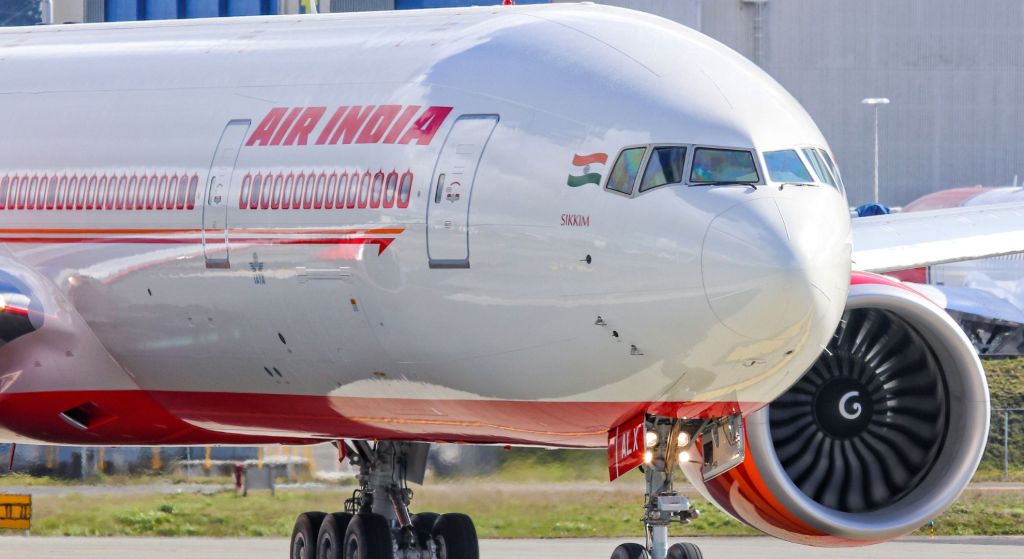
One of the primary advantages of wide-body aircraft is their ability to carry more passengers. With multiple aisles and a more extensive seating arrangement, these planes can cater to the growing demand for air travel without compromising comfort. This increased capacity proves especially beneficial for popular routes with high passenger traffic.
Enhanced Comfort and Amenities
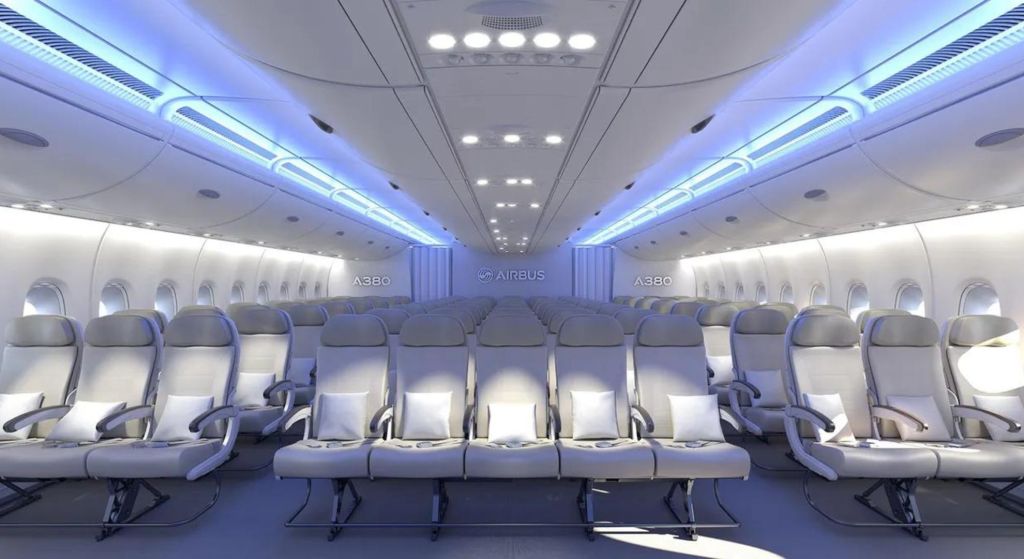
The spacious design of wide-body aircraft allows for more comfortable seating arrangements and the inclusion of various amenities. Passengers can enjoy a more relaxed travel experience with wider seats, increased legroom, and improved in-flight entertainment options. These amenities make long-haul flights more enjoyable to travel on.
Versatility in Cargo Transport
Beyond passenger travel, wide-body aircraft excel in cargo transport. The expansive cargo holds accommodate a significant volume of goods, making these planes indispensable for freight transportation. This versatility enhances the economic viability of airlines by allowing them to capitalize on both passenger and cargo services.
Evolution and Impact on the Aviation Industry
Historical Perspective
The advent of wide bodied aircraft can be traced back to the mid-20th century when the demand for long-haul air travel began to rise. The Boeing 747, introduced in the late 1960s, marked a milestone in aviation history as the first jumbo jet, showcasing the potential of wide-body design. Since then, various manufacturers have developed their models, contributing to the evolution of this aircraft category.
Economic and Operational Efficiency
Wide-body aircraft have revolutionized the economics of air travel. The ability to transport more passengers and cargo in a single flight reduces the cost per seat, making long-haul routes more economically viable for airlines. Additionally, the operational efficiency of these aircraft allows for quicker turnaround times at airports, contributing to increased overall productivity.
Environmental Considerations
As the aviation industry continues to address environmental concerns, wide-body aircraft play a role in improving fuel efficiency. Advanced materials and aerodynamic enhancements reduce fuel consumption per passenger, making these aircraft a more sustainable option for long-distance travel.
Research and development efforts are continuously focused on alternate propulsion systems and fuels to improve the eco-friendliness of wide-body aircraft. Collaborations between manufacturers, airlines, and regulatory bodies aim to set stringent emissions standards and promote the adoption of greener technologies across the aviation sector. These collective endeavours underscore the industry’s commitment to mitigating its environmental impact while meeting growing global travel demands.
Fuel Efficiency and Environmental Impact
Advancements in Engine Technology
Wide-body aircraft have seen remarkable progress in engine technology, contributing to improved fuel efficiency. Manufacturers continually invest in developing engines that propel these large planes and minimize their environmental footprint. Exploring these technological advancements sheds light on the industry’s commitment to sustainability.
Aerodynamic Innovations for Reduced Emissions
A key focus in the design of wide-body aircraft is enhancing aerodynamics to reduce drag and fuel consumption. Innovations like winglets and advanced wing designs contribute to more efficient flight, ultimately decreasing greenhouse gas emissions. Understanding these aerodynamic enhancements provides insight into the steps taken to make air travel more environmentally friendly.
Composites made of lightweight materials, such as carbon fiber-reinforced plastics, are becoming more popular in the building industry to decrease emissions and improve fuel efficiency. Furthermore, sophisticated computer simulations and wind tunnel testing aid in refining aerodynamic designs, ensuring that every aspect of the aircraft contributes to its overall efficiency and environmental sustainability.
The Role of Wide-Body Aircraft in Global Connectivity
Facilitating International Travel
Wide-body aircraft are pivotal in connecting people and cultures across continents. Examining their role in facilitating international travel unveils the significance of these planes in fostering global connectivity. Whether it’s a business trip, family vacation, or cultural exchange, the ability of wide-body aircraft to traverse long distances efficiently makes them indispensable for bridging nations.
Impact on Tourism and Economic Development
The accessibility provided by wide body aircraft contributes significantly to tourism and economic development in various regions. Analyzing how these aircraft stimulate local economies and tourism industries underscores their broader impact beyond the aviation sector. This section explores the ripple effects of global connectivity facilitated by wide-body aircraft.
Technological Integration in Passenger Experience
In-Flight Connectivity and Entertainment
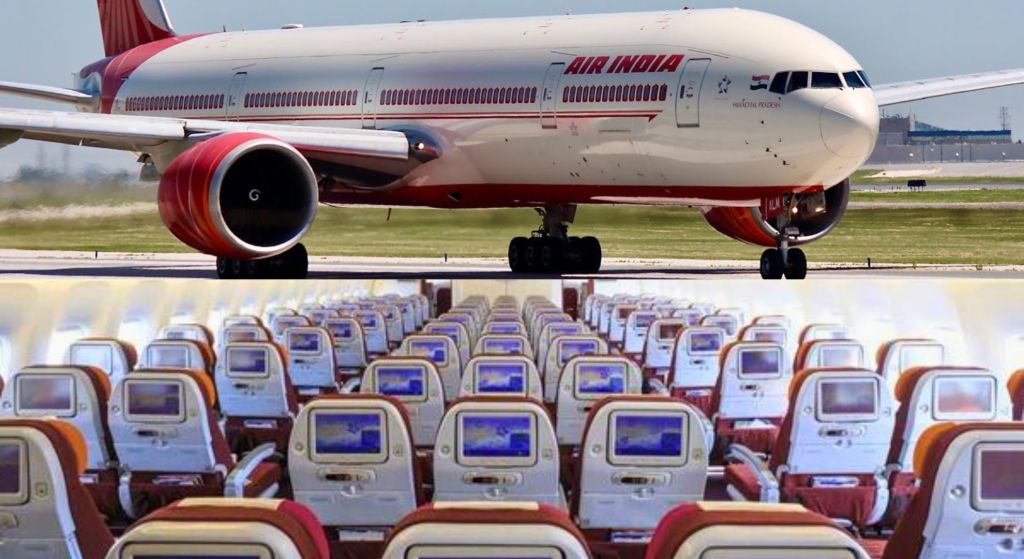
Technological integration has revolutionized the passenger experience on wide-body aircraft. Thanks to modern entertainment systems and high-speed internet access, travelers may remain connected and engaged. Delving into the technology behind these amenities highlights the efforts to make air travel not just a means of transportation but a comfortable and related experience.
Future Trends: From Virtual Reality to Sustainable Cabins
The integration of emerging technologies in wide-body aircraft is poise to redefine the passenger experience. Virtual reality (VR) in-flight entertainment and sustainable cabin designs represent the future trends in aviation. Exploring these innovations provides a glimpse into the exciting possibilities that await passengers aboard wide-body aircraft.
These additional subtopics delve deeper into specific aspects of wide-body aircraft, offering readers a more comprehensive understanding of their environmental impact, global connectivity role, and the evolving technological landscape within the aviation industry.
FAQ’s
1. What defines a wide-body aircraft?
A wide-body aircraft, often called a twin-aisle aircraft, is characterize by a larger fuselage width than narrow-body planes. Typically featuring two-passenger aisles, these planes provide more seating capacity and enhanced passenger comfort.
2. What advantages do wide-body aircraft offer over narrow-body counterparts?
Wide-body aircraft offer higher passenger capacity, making them suitable for long-haul flights. They provide more spacious cabins, increased cargo capacity, and improved fuel efficiency per seat, resulting in lower airline operating costs.

3. How do wide-body aircraft contribute to long-haul travel?
Wide-body planes are design for long-distance flights, enabling airlines to transport more passengers across intercontinental routes. Their extended range and fuel efficiency make them essential for connecting distant destinations without needing layovers.
4. Are wide-body aircraft only use for passenger transportation?
No, wide-body aircraft serve diverse purposes beyond passenger travel. They are commonly utilize for cargo transportation due to their expansive cargo holds. This dual functionality makes them versatile assets for airlines, supporting both passenger and freight operations.
5. What are some examples of popular wide-body aircraft models?
Several well-known wide-body aircraft models include the Boeing 777, Airbus A330, and the Boeing 787 Dreamliner. These planes are widely use by airlines globally, showcasing advance technology, fuel efficiency, and passenger amenities.
An essential component of contemporary aviation, wide-body aircraft address the growing need for long-haul travel. For airlines that operate globally, their roomy design, improved passenger comfort, and adaptability in cargo transportation make them essential. As technology develops, we may anticipate more developments in the wide-body aircraft class, which will help create a more efficient and sustainable aviation industry.
Visit OrbitsHub.com to learn more about the world of flight and keep up with the latest news. There is much information and tools to help you learn more about the sky.