I. Significance and unique attributes
Encompassing a surface area exceeding 400,000 square miles, the Gulf contains an extraordinarily productive food chain topped by a diversity of whales, seals, seabirds, and prolific fisheries. This dynamic environment is also known for violent storms, frigid waters, and profound ocean trenches plunging over 20,000 feet. Shipping lanes accessing some of Alaska’s most prominent ports traverse the Gulf while petroleum deposits underneath its waves may hold over 20 billion barrels of oil and natural gas.
With this unique combination of attributes, the Gulf of Alaska constitutes one of the most important waterways in the Pacific Northwest. Yet many of its natural wonders and facts remain obscure to most observers.
II. Massive Size and Scope
Spanning over 1,300 miles from tip to tip, the Gulf of Alaska ranks among the more expansive marginal seas on the planet. Measuring roughly 480 miles wide, the Gulf covers a total area exceeding 400,000 square miles. This makes it comparable in size to regional water bodies like the Sea of Okhotsk bordering Russia. However, the Gulf of Alaska eclipses the more famous Sea of Cortez along Mexico’s Baja California peninsula, which constitutes less than one-fifth the total area.
The vast parameters of the Gulf allow it to moderate Pacific storms and generate localized weather patterns influencing both coastal areas and inland environments across Alaska. Cold waters descending from the Gulf also nurture fisheries up and down the west coasts of Canada and the continental United States. The scale and connectivity of this marine ecosystem highlight why the Gulf of Alaska represents far more than a noted geographic feature.
III. Extreme Weather Patterns
Buffeted by polar winds descending from Arctic latitudes, the Gulf of Alaska endures exceptionally volatile storm cycles and precipitation levels. During the fall and winter, it may receive hurricane-force winds and waves reaching heights of 50 feet and higher on a near-weekly basis. These powerful tempests churn nutrient-rich waters that ultimately sustain the Gulf’s abundant food webs. Yet the storms also pose hazards to fishing and marine transport while battering shoreline communities.
In addition to wind and swells, the Gulf experiences extreme contrasts in temperatures and icy conditions consistent with its subpolar location. Even during summer, average water temperatures barely reach 50 degrees Fahrenheit while prolonged periods of frost and snow blanket coastlines each winter. Whether through storms or chill factors, the Gulf of Alaska cultivates a pronounced extreme environment challenging both mariners and coastal residents for centuries.
IV. Abundant Wildlife Diversity
Despite harsh conditions, the nutrient-filled ecosystem of the Gulf of Alaska nurtures remarkable biodiversity. Each summer, feeding aggregations attract over 40 species of marine mammals ranging from orcas, humpbacks, and fin whales to Steller sea lions, harbor seals, and sea otters. Colonies containing millions of seabirds like puffins, kittiwakes, cormorants, and storm petrels flock to island rookeries and cliffs overlooking the Gulf.
Meanwhile, an upwelling of seawater from the dark ocean depths constantly replenishes nutrients like plankton to form the very base of the food web. This rich production allows the Gulf of Alaska to support globally important fisheries including all five species of wild Pacific salmon along with weathervane scallops, Pacific halibut, Pacific cod, sablefish, and lucrative king and snow crab harvests. The mineral wealth discharged into the Gulf ultimately gives rise to its diversity of wildlife.
V. Key Commercial Fisheries
Providing ideal conditions for algae and plankton cultivation, the Gulf of Alaska drives one of the most valuable fisheries in the world. As mentioned, all species of Pacific salmon including sockeye, coho, chum, pink, and Chinook salmon rely on the Gulf of Alaska to provide food resources and migratory passage. During summer months, some 20 million red salmon may return to spawn in streams and rivers emptying into the Gulf. First Nations communities like the Tlingit people have targeted salmon runs for over 8,000 years.

Beyond salmon, shellfish and groundfish fisheries in the Gulf of Alaska also produce huge catches annually including almost half of America’s total landings of crab and per capita volumes of Pollock surpassing even New England’s storied cod fisheries. With so much productivity, the Gulf unsurprisingly serves as a hub for major commercial fishing activity from family enterprises to industrial fleets. Managing this output presents an ongoing challenge to ensure future generations also benefit from the Gulf’s living riches.
VI. Offshore Oil and Gas Potential
While renowned for fisheries, the Gulf of Alaska further assumes importance for its extensive oil and natural gas deposits. Geologic evidence suggests over 20 billion barrels of petroleum may lie trapped in offshore sedimentary basins. Although challenging access issues and infrastructure costs have limited extraction, advances in drilling technology coupled with rising fossil fuel prices have boosted interest in tapping this energy bounty.
Current production remains centered around mature oil fields in the eastern Gulf of Alaska around Yakutat Bay. But new seismic surveying hints at abundant reservoirs near Cook Inlet and Shelikof Strait which energy companies have only begun exploring. Barring regulations to curb emissions, the Gulfs reserves may support continued development for decades, especially as shallow coastal wells fade. Yet the risk of spills haunts this production potential much as the Exxon Valdez catastrophe still looms over the region.
VII. Prominent Geologic Features
One of the most unique aspects of the Gulf of Alaska involves its peculiar underwater geography. At multiple points, the sea bottom plunges over 20,000 feet forming some of the deepest trenches in the Pacific Ocean. Named the Aleutian Trench, this depression runs over 1,100 miles parallel along the southern coastline reaching measured depths up to 26,488 feet near Attu Island. Created by the collision of tectonic plates, this trench works to effectively isolate the Gulf from the Pacific.
Where depths do not dramatically plummet, two other key geologic features define the Gulf’s seafloor known as the Kodiak Shelf and Border Ranges. Composed largely of thick sedimentary deposits, the Kodiak Shelf along the northeast Gulf formed from eons of runoff borne from mountain glaciers and rivers. In contrast, the Border Ranges represent a fragmented accretion of granite and metamorphic rocks hewed over millions of years into a maze of islands, sheltered bays, and majestic mountainscapes backed by extensive ice fields. This foundation literally shapes the spectacle and ecology on display across the coastal Gulf of Alaska.
VIII. Scenic Coastal Regions
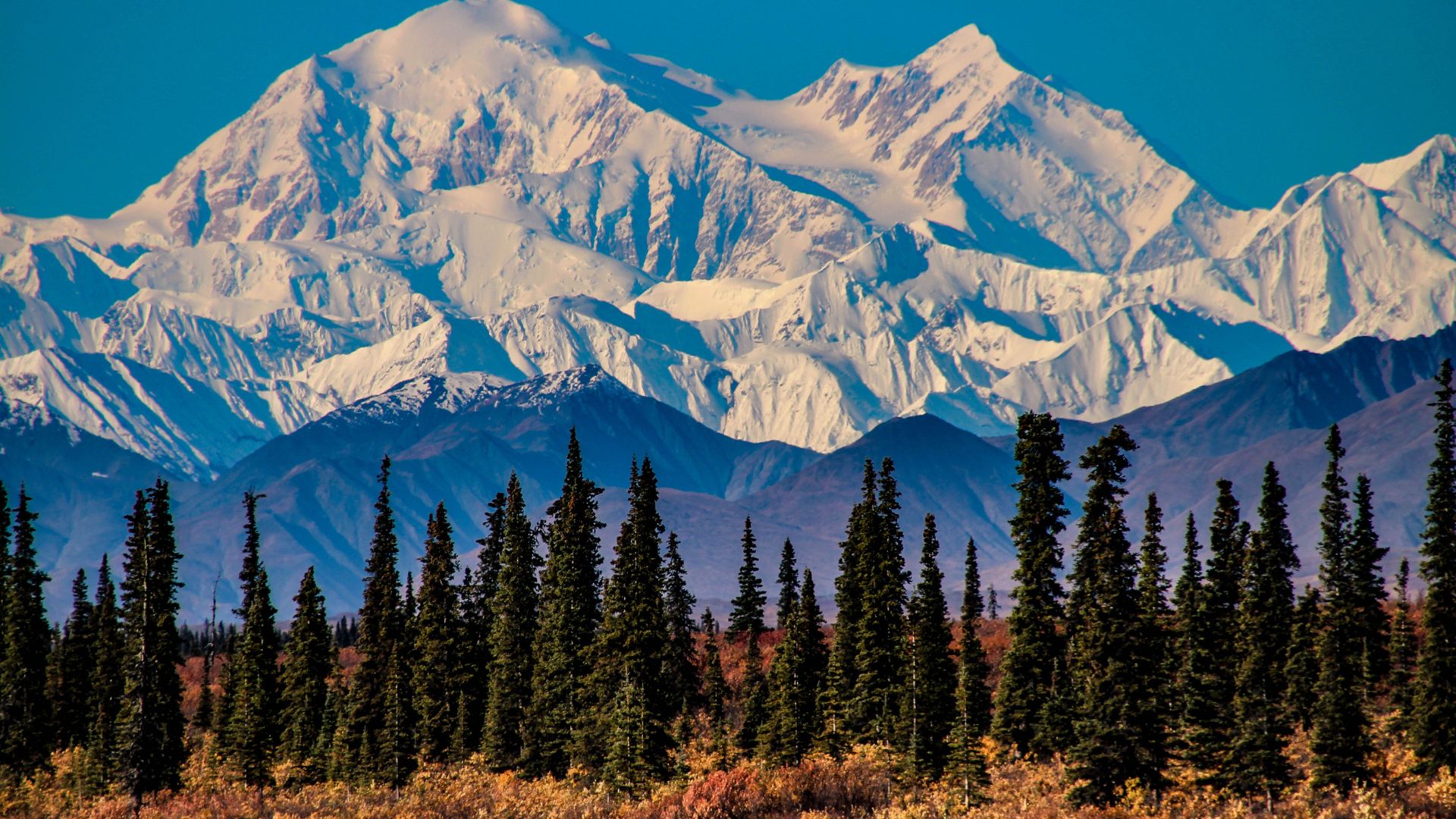
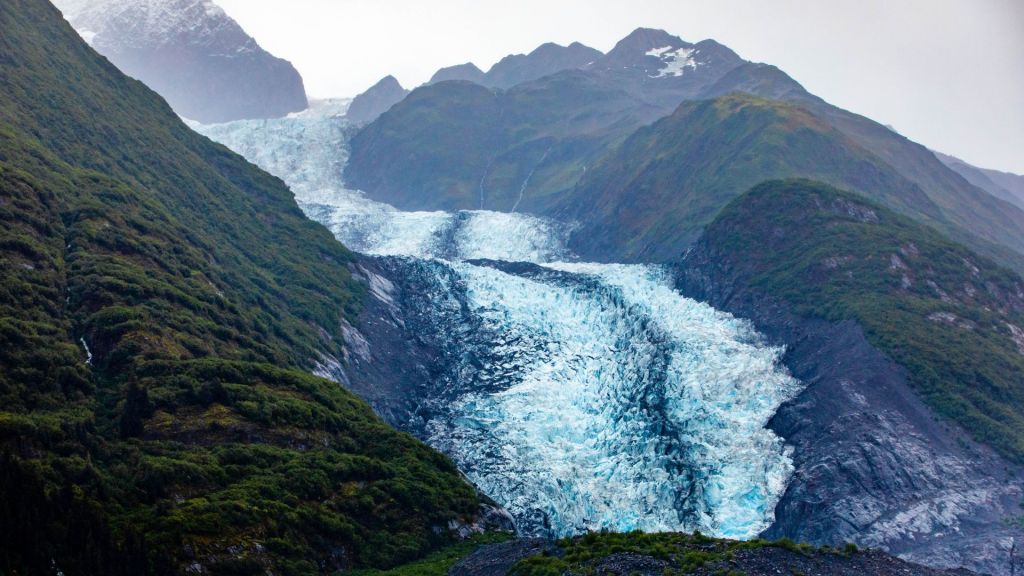
The sublime coastal scenery perhaps most distinguishes the Gulf of Alaska in popular imagination. Flanked by snow-capped peaks and rainforest, the Gulf’s islands, bays, and winding fjords create an iconic maritime landscape celebrated in art and photographs. Glaciers like those found in Glacier Bay National Park frequently calve small icebergs that drift photogenically through aquamarine waters. Further west, Prince William Sound dotted with forested isles offers similarly picturesque vistas as well as easy access via ferry from the port of Whittier.
But away from touring cruise ships, small Native villages and fishing communities bring cultural heritage to the frontier identity. With salmon drying on racks under summer midnight sun or boats hauled out for winter storms, this human footprint blends seamlessly with the windswept beauty. Through continually evolving partnerships, the future promises to reveal more of the living culture honed along these storied shores.
IX. Maritime Transportation Hub
Beyond scenery, the strategic position of Gulf of Alaska ports makes them critical for North Pacific maritime trade. The Port of Anchorage along Cook Inlet serves as Alaska’s main import hub while the Port of Valdez at the terminus of the Trans-Alaska Pipeline exports vast amounts of crude oil. Across Prince William Sound, the ferry terminal of Whittier additionally provides Gulf access to railways and roadways serving Anchorage and interior destinations like Denali National Park.
Many other municipal harbors ranging from Seward eastwards to Cordova offer essential shelter and loading facilities for commercial fishing fleets. Even remote Native villages rely on small boat ramps and breakwaters during harsh winter months when flying remains unreliable. These numerous ports and harbors enable year-round maritime transportation under the challenging conditions synonymous with the Gulf of Alaska. They represent access points opening up the region’s populations to the wider world.
X. Reasons for global importance

Whether measured by extreme weather patterns or abounding biodiversity or oil riches, the Gulf of Alaska stands apart even among northern seas. Its immensity alone as a geographic feature commands attention. Yet arguably, the Gulf’s sublime scenery focused around coastal glaciers, verdant islands, and etched fjords has done the most to capture widespread fascination. Together with a resilient indigenous heritage, this combination of natural wonder and cultural mystique will continue drawing innovators and explorers to the Gulf of Alaska’s wild shores for years to come. They’ll further reveal why few regions offer so much intrigue so far from crowded civilization.