The Pacific Ocean: A Tranquil Marvel Discovered by Ferdinand Magellan
In the annals of maritime history, the name of Portuguese explorer Ferdinand Magellan occupies a prominent place. In 1521, Magellan embarked on a daring expedition that led him to a serene expanse of water, which he named “Mar Pacifico,” translating to “peaceful sea” in both Spanish and Portuguese. Contrary to the tempestuous waters he had previously encountered, the Pacific Ocean, with its calm waves and favourable wind conditions, seemed like a tranquil oasis. However, the Pacific Ocean’s serenity belies the intense underwater activity it houses, a testament to the ocean’s paradoxical nature.
The Shrinking Giant: The Pacific Ocean Is Getting Smaller
Despite its colossal size, the Pacific Ocean is shrinking approximately by one inch every year due to the movement of tectonic plates beneath its water. This geological phenomenon, known as plate tectonics, is simultaneously causing the Atlantic Ocean to expand by a similar measure each year. Thus, the Pacific Ocean’s contraction is a testament to the dynamic nature of our planet’s geology, constantly reshaping the world’s geographical contours.
The Pacific Ocean: The First European Touchpoint

Vasco Núñez de Balboa, a 16th-century explorer, holds the distinction of being the first European to sail within the Pacific Ocean. In 1513, Balboa crossed the Isthmus of Panama, which was a major step in exploring this enormous body of water.. His discovery paved the way for further European expeditions into the Pacific, culminating in the ocean’s comprehensive mapping.
The Deepest Depths: The Mariana Trench
The Pacific Ocean houses the world’s deepest trench, the Mariana Trench. East of the Mariana Islands and the Philippines lies the Mariana Trench, which is situated in the western Pacific Ocean. Its depth of about seven miles is greater than that of Mount Everest. The trench’s deepest point, known as the Challenger Deep, was first studied by the British Royal Navy ship, HMS Challenger, in 1875. This exploration unveiled the profound depths of the Pacific, casting light on the ocean’s underexplored underwater topography.
The Vast Expanse: The Pacific Ocean’s Size
With an area of about 63.8 million square miles, the Pacific Ocean is both the biggest and deepest ocean in the world. The immense water body accounts for more than 30% of the Earth’s surface, holding over half of the Earth’s open water supply. The Pacific Ocean’s expansive reach, extending from the western coast of the United States to the coast of China, underscores its significant influence on global weather patterns, marine biodiversity, and human civilization.
The Volcanic Ring: The Pacific Ring of Fire
The majority of the world’s active volcanoes—75 percent—are located in the Pacific Ocean basin, which forms a volcanic ring around the basin called the Ring of Fire. This region, characterized by frequent earthquakes and volcanic eruptions, is a testament to the dynamic geological activity beneath the Pacific’s tranquil surface. The Ring of Fire’s existence challenges the notion of the Pacific as a “peaceful sea,” unveiling the ocean’s tumultuous underbelly.
Home to the Great Barrier Reef
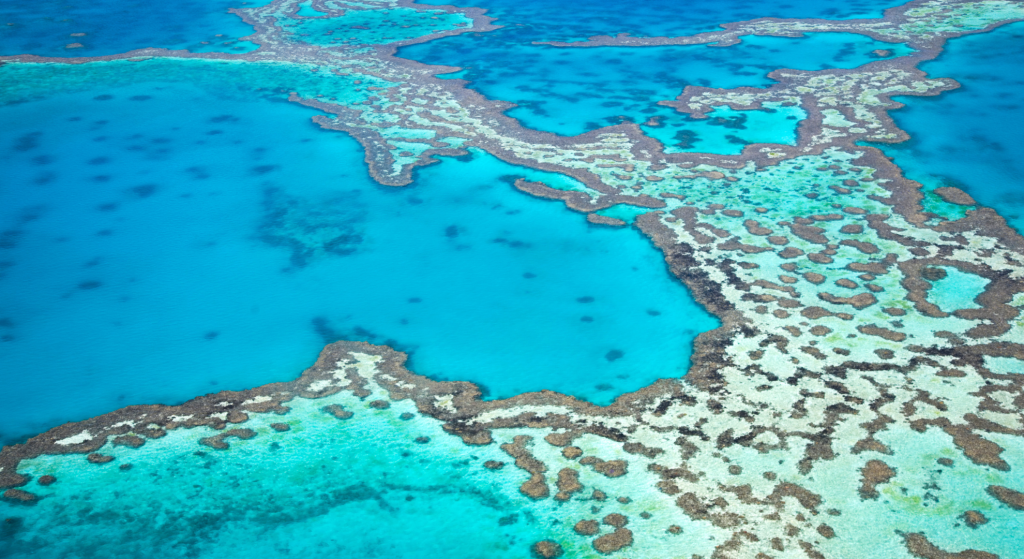
The Pacific Ocean houses the world’s largest coral reef system, the Great Barrier Reef. Located in the Coral Sea, not far from Australia’s coast in Queensland, the Great Barrier Reef is more than 1,429 miles long and home to an abundance of marine life. However, the reef is under threat due to climate change and pollution, highlighting the urgent need for conservation efforts to protect this natural wonder.
Endangered Species Reside in the Pacific Ocean
The Pacific Ocean is home to several endangered marine species, including whales, sea turtles, sea otters, seals, and sea lions. These species are threatened by hunting, by-catch, pollution, and climate change, underscoring the need for robust conservation measures to protect these vulnerable creatures and preserve the Pacific’s rich biodiversity.
The Pacific Ocean: A Pathway for Ancient Migration
Humans began using the Pacific Ocean for migration around 3000 BC, utilizing canoes for trade and travel. Despite the primitive navigation tools available at that time, these ancient mariners likely used the same trade winds and equatorial currents that modern sailors rely on today. This historical fact underscores the Pacific Ocean’s longstanding role as a conduit for human exploration and cultural exchange.
The Great Pacific Garbage Patch: An Environmental Crisis
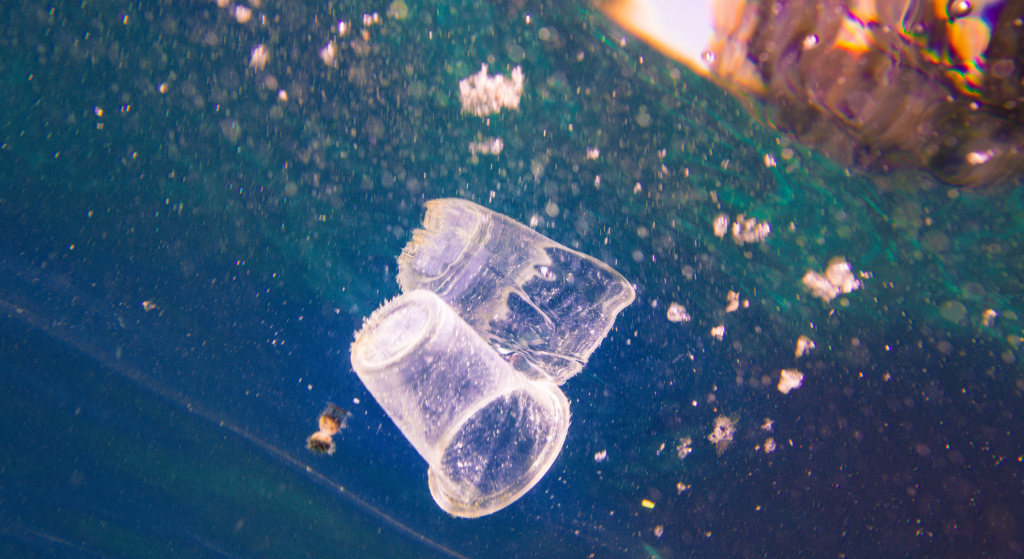
A massive accumulation of sediments from the ocean floor located in the center of the North Pacific Gyre is known as the Great Pacific Garbage Patch. This enormous garbage patch, which contains around two trillion plastic pieces, underscores the urgent need for global action to combat plastic pollution and protect our precious oceans.
The Pacific Ocean’s Role in Global Weather Patterns
The Pacific Ocean plays an essential role in shaping global weather patterns. Firstly, it’s the primary driver of phenomena like El Niño and La Niña, significantly impacting weather conditions worldwide. El Niño episodes cause changes in weather patterns, such as more rainfall in the south of the US and drought in Australia, due to the warming of ocean waters in the central and eastern Pacific. Conversely, La Niña, characterized by cooler ocean temperatures, often brings drier conditions to the south of the U.S. and wetter conditions to Australia.
The Pacific Ocean’s vast size and heat capacity also help regulate global temperatures. It absorbs and redistributes solar energy, influencing climatic conditions across continents. For instance, the warm waters of the Pacific contribute to the formation of typhoons and hurricanes, which can have widespread impacts on coastal regions. Overall, the Pacific Ocean’s influence on weather patterns underscores its importance in the Earth’s climate system.
Underwater Wonders: Unique Marine Life in the Pacific Ocean
Each segment highlights different facets such as historical exploration, geological features, biodiversity, environmental issues, cultural significance, and notable events.
The Pacific Ocean is home to diverse and unique marine life, making it a hotspot for biodiversity. Firstly, the Coral Triangle, located in the western Pacific, is known as the “Amazon of the seas” due to its extraordinary marine species diversity. It houses over 500 species of reef-building corals and thousands of fish species, including the majestic manta rays and elusive pygmy seahorses.
Moreover, the Pacific’s deep-sea environments host some of Earth’s most fascinating and bizarre creatures. For example, the deep-sea vents of the Pacific are inhabited by chemosynthetic organisms like giant tube worms and unique bacteria that thrive in extreme conditions. Additionally, the ocean’s open waters are frequented by large migratory species such as humpback whales, great white sharks, and leatherback turtles. These species often migrate thousands of miles, showcasing the Pacific’s role as a crucial habitat for marine life.
Historic Shipwrecks of the Pacific Ocean
The Pacific Ocean is a graveyard of historic shipwrecks, each with a story. Firstly, the region’s vast expanse and strategic importance have seen countless vessels traverse its waters, many of which met unfortunate ends. Notable among these is the wreck of the Spanish galleon San José, which sank in 1708 off the coast of Colombia, laden with gold, silver, and emeralds. This shipwreck is often called the “Holy Grail of shipwrecks” due to its valuable cargo.
Additionally, the Pacific is home to numerous World War II shipwrecks, particularly around the Solomon Islands and the waters of the South Pacific. These wrecks, such as the USS Arizona in Pearl Harbor, are poignant reminders of the fierce battles fought in these waters. They are now famous dive sites, attracting enthusiasts and historians who seek to explore these underwater time capsules.
The Pacific Ocean’s Influence on Global Trade Routes
The Pacific Ocean has been a crucial artery for global trade for centuries. Firstly, it serves as a major shipping route connecting the Americas with Asia, facilitating the movement of goods such as electronics, automobiles, and raw materials. The Panama Canal, a critical gateway between the Pacific and Atlantic Oceans, has further enhanced the importance of this route, allowing for quicker and more efficient shipping between continents.
The Pacific Rim countries, including China, Japan, South Korea, and the United States, are some of the world’s largest economies. The ocean’s trade routes enable these nations to export and import goods efficiently, driving economic growth. The vast network of ports and shipping lanes in the Pacific supports a significant portion of global trade, underscoring its strategic importance. Furthermore, China’s development of the “Belt and Road Initiative” highlights the ongoing significance of the Pacific in international commerce.
Cultural Significance of the Pacific Ocean in Indigenous Traditions

The Pacific Ocean holds profound cultural significance for many indigenous peoples who have lived along its shores for millennia. Firstly, for the Polynesian cultures, the ocean is a source of life and a key element in their navigation traditions. These communities are known for their incredible navigational skills, using stars, ocean currents, and bird flight patterns to navigate vast distances across the Pacific, long before modern navigation tools.
Additionally, the ocean plays a central role in many indigenous groups’ spiritual and cultural practices. For example, the Maori of New Zealand consider the Pacific Ocean, or Te Moana-nui-a-Kiwa, a sacred entity imbued with ancestral spirits and vital for sustaining life. In many cultures, traditional fishing practices are not just about sustenance but are also steeped in rituals and ceremonies that honor the ocean’s bounty. The Pacific is seen as a physical entity and a living, breathing part of their cultural heritage.
The Pacific Ocean, with its serene surface and tumultuous depths, is a fascinating realm that continues to captivate scientists and nature enthusiasts alike. Its vastness, depth, and complex ecology make it a unique and precious part of our planet, deserving of our admiration and protection.