Gulf of Mexico

The Gulf of Mexico, often referred to as “America’s Sea,” is a vast body of water situated between the southern shores of the United States and the Yucatan Peninsula of Mexico. Covering approximately 600,000 square miles, it is one of a kind semi-enclosed seawater that plays a crucial role in the region’s economy, ecology, and weather patterns. The Gulf of Mexico is bordered by five U.S. states: Texas, Louisiana, Alabama, Mississippi, and Florida.
The Gulf of Mexico boasts a remarkable depth of around 12,000 feet in certain areas, such as the Sigsbee Deep. Its waters are fed by the Caribbean Sea through the Yucatan Strait, creating a clockwise loop current that circulates within the Gulf. The Gulf Stream is a pattern of ocean circulation that affects Atlantic Ocean weather and currents.
The Gulf of Mexico is not only a scenic wonder but also a hub for various economic activities. Because of its huge oil and gas deposits and other natural resources, it is a major actor in the international energy market. The region’s abundant marine life supports a thriving fishing industry, and its stunning coastlines attract millions of tourists each year. Moreover, the Gulf of Mexico is home to several vital shipping ports, facilitating trade and commerce between the United States, Mexico, and other countries.
History
The Gulf of Mexico has been significant throughout human history. Indigenous civilizations flourished along its shores for thousands of years before European contact. In 1502, Christopher Columbus sighted the Gulf during his fourth voyage. Spanish exploration intensified in the 1510s-20s, leading to colonization. The Gulf became crucial for Spanish treasure fleets from the mid-16th to early 19th centuries. Mexico gained independence in 1821, while the U.S. acquired Florida in 1819 and Texas in 1845, expanding its Gulf presence. The first offshore oil well was drilled in 1938, marking the beginning of extensive energy exploitation. In 2010, the Deepwater Horizon oil spill highlighted environmental risks. Today, the Gulf remains vital for energy, fishing, and trade.
Location
The United States is on the north side of the Gulf of Mexico, Mexico is on the west and south, and Cuba is in the southeast. There are about 600,000 square miles of it. The Florida Straits connect it to the Atlantic Ocean, and the Yucatan Channel links it to the Caribbean Sea. The Gulf’s strategic position and natural resources make it a vital economic and ecological region for North America.
Gulf of St. Lawrence

Stretching across the eastern coast of North America, the Gulf of St. Lawrence is a magnificent bay that holds the distinction of being the largest firth in the world. With an area of approximately 91,000 square miles, this semi-enclosed marine wonder is a vital part of the Atlantic Ocean.
The Gulf of St. Lawrence is bordered by the Labrador Peninsula to the north, while the Cape Breton and Nova Scotia Peninsula grace its southern boundaries. To the east, it shares its borders with Newfoundland, while to the west, it is flanked by New Brunswick and Gaspe. Within the Gulf, several islands enhance its scenic beauty, including Magdalen, Anticosti, and Prince Edward Islands.
This stunning gulf is fed by various rivers, with the notable Saint Lawrence River flowing into its waters. Other significant tributaries, such as the Humber and the Natashquan Rivers, further contribute to its majesty. The Gulf of St. Lawrence comprises several arms, including the Miramichi Bay, Bay of Islands, Chaleur Bay, St. George’s Bay, and Northumberland Strait. These arms, with their picturesque landscapes and diverse ecosystems, add to the allure of the Gulf.
Many marine animals, like as whales, seals, and fish, rely on the Gulf of St. Lawrence as their primary habitat. Its coastal regions are teeming with vibrant communities and thriving fishing industries. Additionally, the Gulf plays a crucial role in the migration patterns of several bird species, making it a paradise for birdwatchers.
History
The Gulf of St. Lawrence was inhabited by Indigenous peoples for millennia before Jacques Cartier’s exploration in 1534. It became a key area for French colonization and fur trade, later contested by British forces. After 1763, it fell under British control. The gulf has been crucial for fishing and shipping, with recent decades seeing offshore oil exploration and growing environmental concerns.
Location
The Gulf of St. Lawrence is a large, semi-enclosed sea on Canada’s east coast, covering 226,000 km². It’s bordered by five Canadian provinces and connects to the Atlantic Ocean via the Cabot Strait and Strait of Belle Isle. Its strategic position and diverse ecosystem make it vital for maritime traffic and marine life.
Persian Gulf

The Persian Gulf, located in Western Asia, stands as a vital body of water between the Arabian Peninsula and Iran. With an area of approximately 251,000 square kilometers, it is an extension of the Indian Ocean, specifically the Gulf of Oman through the Strait of Hormuz. The Persian Gulf holds immense geopolitical and economic significance, primarily due to its vast reserves of crude oil and natural gas.
The Persian Gulf is bordered by several countries, including Iran, Oman, United Arab Emirates, Saudi Arabia, Qatar, Bahrain, Kuwait, and Iraq. This region has witnessed historical tensions and conflicts, largely driven by the control and exploitation of its abundant natural resources. The 1980-1988 Iraq-Iran War serves as a stark reminder of the geopolitical complexities that surround the Persian Gulf.
Apart from its economic importance, the Persian Gulf is also known for its rich biodiversity. It is home to abundant fishing grounds, pearl oysters, and extensive coral reefs. However, the region’s rapid industrialization and construction have placed significant pressure on its delicate ecosystems. There are current initiatives aimed at safeguarding the Persian Gulf’s distinctive marine ecosystems and the species that inhabit them.
History
The Persian Gulf has been a crucial waterway for millennia, playing a central role in ancient trade routes. It was home to early civilizations like the Sumerians and Babylonians. The region saw rule by various empires including the Persians, Greeks, and Arabs. In modern times, it became strategically important due to vast oil reserves discovered in the early 20th century. This led to rapid economic development but also geopolitical tensions, including conflicts like the Iran-Iraq War and the Gulf Wars. Today, it remains a vital global energy hub and a region of significant political importance.
Location
The Persian Gulf is a sea in Western Asia that is like the Mediterranean. It’s connected to the Gulf of Oman in the east by the Strait of Hormuz. It’s bordered by Iran to the north, and the Arabian Peninsula to the south, including countries like Saudi Arabia, Kuwait, Bahrain, Qatar, and the United Arab Emirates. The gulf covers an area of about 251,000 square kilometers (97,000 square miles). Along with its oil resources, its position between the Middle East and Asia makes it one of the most important maritime areas in the world.
Gulf of Guinea
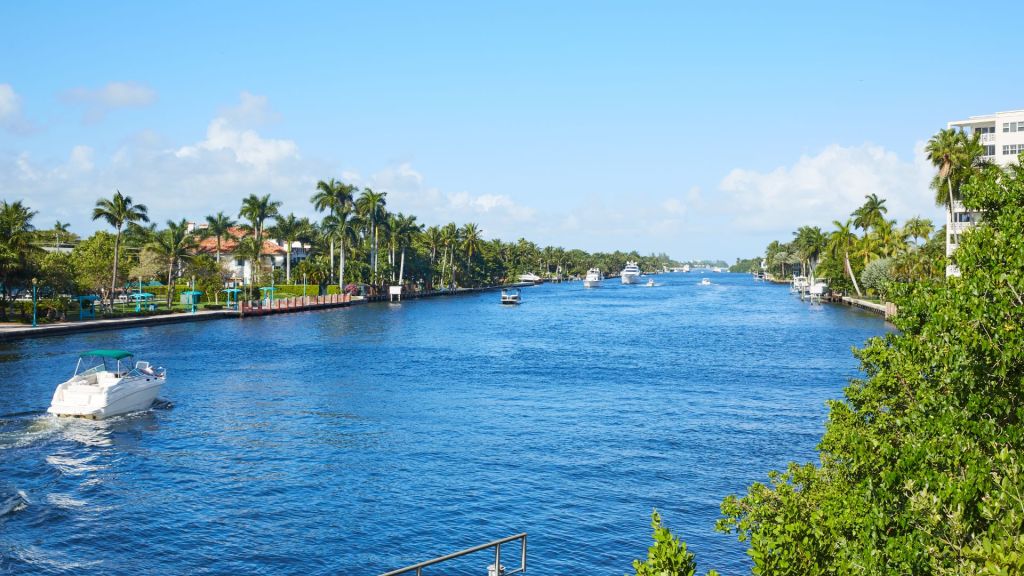
Located on Africa’s western coast, the Gulf of Guinea is a tropical haven renowned for its rich marine life and breathtaking scenery. It is bordered by Liberia to the west and Cape Lopez to the southeast, with its waters extending from Cape Palmas in Liberia to Cape Lopez in Gabon.
The Gulf of Guinea lies at the intersection of the Prime Meridian and the Equator, making it a region of significant geographic importance. Several rivers, including the Volta and Niger rivers, flow into the gulf, enriching its waters with nutrients and supporting its vibrant ecosystem. The coastal areas within the Gulf of Guinea are characterized by two prominent features: the Bight of Bonny and the Bight of Benin.
The Gulf of Guinea’s islands, such as Annobon, the Elobeys, Bioko, Sao Tome, and Principe, along with Corisco, add to its natural splendor. These islands are part of the Cameroon line of volcanoes, forming a chain from southwest to northeast. Sea turtles, dolphins, and a plethora of fish species find refuge in the Gulf of Guinea’s varied environments, which include mangroves, coral reefs, and estuaries.
For a long time, the Gulf of Guinea was an important commercial hub as well. Its coastal regions were once bustling with activity, serving as important ports for European colonial powers. Today, the region continues to be a hub for fishing, oil exploration, and shipping, contributing to the economic development of the countries that border its shores.
History
The Gulf of Guinea has a complex history shaped by indigenous African kingdoms, European colonialism, and the transatlantic slave trade. It was a major hub for slave exports from the 15th to 19th centuries. European powers, including Portugal, Britain, France, and the Netherlands, established trading posts and colonies along its coast. Post-independence, the region has been significant for its oil resources, leading to economic growth but also political tensions and environmental challenges.
Location
The Gulf of Guinea is a large body of water on the western coast of Africa, part of the Atlantic Ocean. It extends from Cape Palmas in Liberia to Cape Lopez in Gabon. The coastline includes parts of Liberia, Ivory Coast, Ghana, Togo, Benin, Nigeria, Cameroon, Equatorial Guinea, Gabon, and São Tomé and Príncipe. The gulf is known for its rich marine ecosystem and valuable offshore oil reserves.
Gulf of Alaska

The Gulf of Alaska, an awe-inspiring water body, lies on the southern coast of Alaska and is an arm of the North Pacific Ocean. Its surface area spans approximately 1.533 million square kilometers, encompassing a vast expanse of breathtaking landscapes and natural wonders. The Gulf of Alaska is surrounded by the Cape Spencer to the east, and the Kodiak Island and Alaska Peninsula to the west.
In the Gulf of Alaska’s coastal regions, you can find deep fjords, rough mountains, and plenty of tidewater glaciers. Notable glaciers in this region include the Bering and Malaspina glaciers, which both flow out onto the Gulf coast plain. The distinctive beauty of the area is enhanced by the way these glaciers shape the terrain.
Not only does the Gulf of Alaska boast breathtaking scenery, but it is also famous for its unpredictable weather. The collision of warm and cold air masses creates intense storms, making it a challenging environment for marine navigation. Despite the harsh conditions, the Gulf of Alaska is home to a diverse range of marine life, including whales, seals, sea lions, and various fish species.
Scientists are interested in the Gulf of Alaska because of the deep water corals that live there; these corals tell us a lot about the ecology and climate history of the area. In addition to its stunning coastlines, the Gulf is a favorite destination for adventurers and environment lovers due to its delicate ecosystems.
History
The Gulf of Alaska has a rich indigenous history, with Tlingit, Eyak, and Alutiiq peoples inhabiting its shores for thousands of years. Russian explorers arrived in the 18th century, followed by British and American traders. The region became part of the United States with the Alaska Purchase in 1867. The Gulf has been very important for fishing and trade by sea. There was an oil spill from the Exxon Valdez there in 1989. It was one of the worst environmental disasters in U.S. history. Today, it remains important for fishing, shipping, and tourism, while also facing challenges from climate change.
Location
The curve of Alaska’s southern coast makes the Gulf of Alaska, a big arm of the Pacific Ocean. It covers an area of about 592,000 square miles (1,533,000 km²), going from the Alaska Peninsula and Kodiak Island in the west to the Alexander Archipelago in the east. The gulf is bounded by the rugged coastline of Alaska, including areas like Prince William Sound and the Inside Passage. Known for its productive waters and diverse marine ecosystem, the gulf is influenced by strong currents and frequent storms, contributing to its challenging but resource-rich environment.
Gulf of Cazones
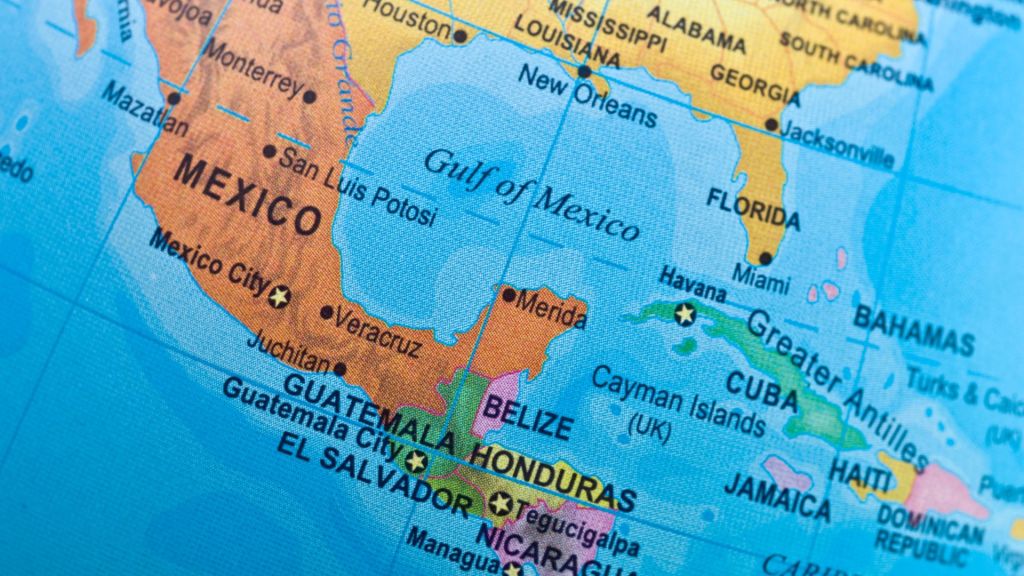
The Gulf of Cazones, located in southern Cuba, is a vast gulf with a fascinating array of natural wonders waiting to be explored. Situated at the southern border of the Cienfuegos and Matanzas provinces, this gulf encompasses a stunning coastline that stretches from the Jardinillos Bank in the south to the Piedras reefs and cays in the north.
The Gulf of Cazones is characterized by an extension measuring 30 miles, featuring vertical cliffs that divide the gulf into different depth ranges, ranging from 15 to 200 meters. These divisions create unique habitats for various marine species, including sea fans, coral colonies, and large tubular sponges. The presence of Lane snappers further enhances the biodiversity of this remarkable region.
While the Gulf of Cazones is a haven for marine life, it can also pose challenges for watercraft due to windless conditions and cross-currents. The region’s unique geological formations, such as black coral, have been a subject of interest for jewelry making. However, regulations are in place to protect the delicate balance of this ecosystem, ensuring the sustainable preservation of its natural treasures.
Exploring the Gulf of Cazones unveils a world of hidden gems, where crystal-clear waters, vibrant coral reefs, and stunning coastal landscapes create an unforgettable experience for visitors. Whether diving into the depths of its waters or simply basking in the beauty of its shores, the Gulf of Cazones offers a glimpse into the wonders of Cuba’s southern coast.
History
The Gulf of Cazones has been part of Cuba’s maritime history for centuries. During the Cold War, especially during the Cuban Missile Crisis in 1962, it got interest from around the world. The gulf was a strategic location for Soviet submarine activity, adding to tensions between the US and USSR. In more recent history, it has been known for its rich marine biodiversity and has become an important area for Cuba’s fishing industry and marine conservation efforts.
Location
The Caribbean Sea is home to the Gulf of Cazones, which is off the southern coast of Cuba. It’s situated along the south-central part of the island, approximately in the Matanzas and Cienfuegos provinces. The gulf is known for its deep waters, reaching depths of over 1,000 meters (3,280 feet) close to the shore. This unique topography creates upwellings that contribute to the area’s rich marine ecosystem. The coastline near the gulf includes the Zapata Peninsula, which is home to the largest wetlands in the Caribbean.
Gulf of Oman
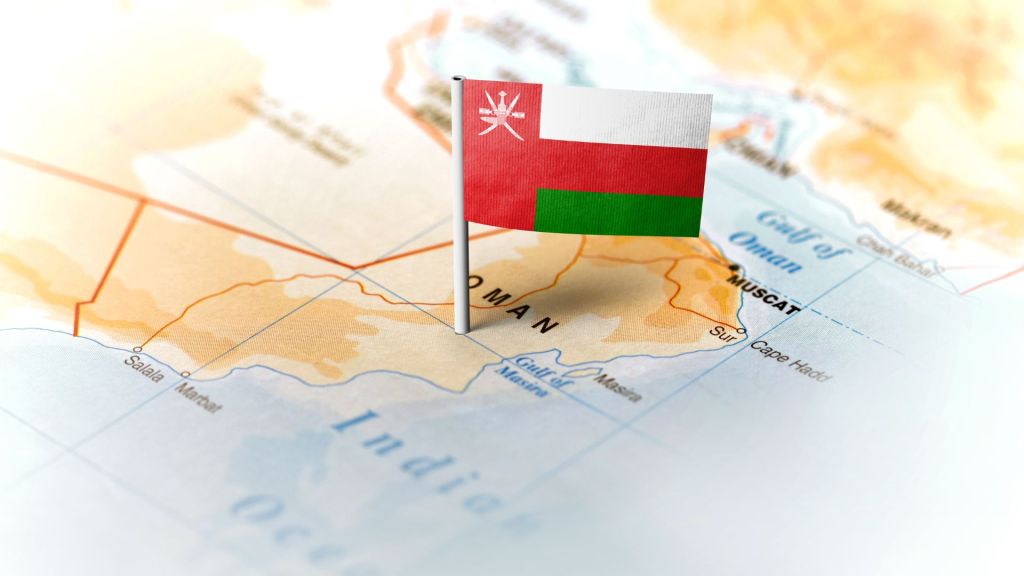
The Gulf of Oman is an important passageway that links the Arabian Sea to the Persian Gulf via the Strait of Hormuz. This strategic waterway borders Pakistan and Iran to the north, Oman to the south, and the United Arab Emirates to the west. Its geographical location has made it a significant hub for trade and naval activities throughout history.
The Gulf of Oman’s coastlines are dotted with vibrant cities and bustling ports, serving as vital centers of commerce and cultural exchange. The region’s rich maritime history dates back centuries, with trade routes linking the Arabian Peninsula, the Indian subcontinent, and East Africa. To this day, the Gulf of Oman is still a vital trading route that connects Asia, Africa, and the Middle East.
This picturesque gulf is renowned for its crystal-clear waters, pristine beaches, and stunning coral reefs. It offers ample opportunities for water sports enthusiasts, such as snorkeling, scuba diving, and sailing. The Gulf of Oman’s diverse marine ecosystem supports a wide array of species, including colorful fish, turtles, and dolphins, making it a paradise for nature lovers.
Moreover, the Gulf of Oman is home to several captivating islands, such as Masirah Island in Oman and Qeshm Island in Iran. These islands boast unique landscapes, cultural heritage, and thriving biodiversity, adding to the allure of the Gulf. Exploring the Gulf of Oman unveils a world of beauty, history, and adventure, inviting visitors to immerse themselves in its enchanting marine wonders.
History
The Gulf of Oman has been a significant maritime route for millennia, connecting the Arabian Sea to the Persian Gulf. In ancient times, it was an important part of trade networks like the spice and incense lines. Several cultures have come and gone in this area, such as the Persian Empire and the Portuguese colonial rule in the 1600s. In modern times, it has become strategically important due to oil transportation, with the Strait of Hormuz at its western end being a critical chokepoint for global oil trade. The gulf has also been the site of various military tensions and conflicts in recent decades.
Location
The Gulf of Oman is a gulf that connects the Arabian Sea with the Strait of Hormuz, which then leads to the Persian Gulf. The country is surrounded by water on three sides. Iran is to the north, Pakistan is to the northeast, and the UAE and Oman are to the south and southwest. The bay is about 560 kilometers (350 miles) long and between 180 and 320 kilometers (110 to 200 miles) wide and narrow. Because of its location, it is an important waterway for foreign shipping, especially for oil tankers going from the Persian Gulf to the Indian Ocean.
Gulf of Aden

The Gulf of Aden, located in the Arabian Sea, lies between Yemen and Somalia. It serves as a crucial waterway, connecting the Red Sea to the Arabian Sea via the Bab-el-Mandeb strait in the northwest. This strategic passage is part of the important Suez Canal shipping route, linking the Mediterranean Sea to the Indian Ocean.
The Gulf of Aden’s coastal regions are characterized by stunning landscapes, including rugged cliffs, sandy beaches, and vibrant coral reefs. Many different kinds of sharks, sea turtles, and vibrantly colored fish call its warm waters home. Many people who enjoy scuba diving and snorkeling go to this area because of its diverse ecosystems.
Apart from its natural beauty, the Gulf of Aden holds historical and cultural significance. Countless ancient civilizations came and went from its beaches as trade routes spanned its waterways, connecting Asia, the Middle East, and Africa. Even in the modern day, the Gulf of Aden is an important trading route that helps transport resources and goods from one continent to another.
The Gulf of Aden’s strategic location has also made it prone to piracy in recent years. International efforts are underway to combat piracy and ensure safe passage for ships navigating through this important waterway. The breathtaking coastline scenery, abundant marine life, and fascinating history of the Gulf of Aden never cease to amaze tourists, no matter how difficult the conditions get.
History
The Gulf of Aden has been a crucial maritime route for thousands of years, connecting the Red Sea to the Arabian Sea. It was part of ancient trade networks linking Africa, the Middle East, and India. The region saw the rise of various civilizations, including the Kingdom of Aksum. In the colonial era, it became strategically important for European powers, particularly Britain. In recent history, the gulf gained notoriety for piracy, especially off the coast of Somalia in the early 2000s. International naval efforts have since reduced piracy incidents. Today, it remains a vital shipping lane, particularly for oil tankers.
Location
The Gulf of Aden is located between Yemen on the Arabian Peninsula and Somalia in the Horn of Africa. It connects to the Red Sea through the Bab el-Mandeb strait in the west, and to the Arabian Sea (part of the Indian Ocean) in the east. The gulf is approximately 900 kilometers (560 miles) long and 500 kilometers (310 miles) wide. Its strategic position makes it one of the world’s busiest shipping lanes, forming part of the Suez Canal route between the Mediterranean Sea and the Indian Ocean.
Gulf of Carpentaria

Tucked away in the northern region of Australia, the Gulf of Carpentaria is a hidden gem waiting to be discovered. This large, shallow sea is surrounded on three sides by the northern coast of Australia and is bounded on the north by the Arafura Sea. It is the perfect place for adventurers and ecotourists due to its secluded setting and stunning natural beauty.
The Gulf of Carpentaria is renowned for its diverse ecosystems, including mangrove forests, salt flats, and extensive tidal mudflats. Wildlife such as crocodiles, rare marine animals, and a plethora of bird species rely on these environments for survival. The region’s cultural heritage is deeply intertwined with its natural resources, as indigenous communities have relied on the Gulf’s bountiful waters for sustenance for thousands of years.
Exploring the Gulf of Carpentaria offers a chance to witness Australia’s remarkable biodiversity up close. Whether embarking on a fishing expedition, birdwatching along its vast coastlines, or immersing oneself in the rich indigenous cultures, the Gulf of Carpentaria provides an unforgettable experience for those seeking to connect with nature.
History
Indigenous Australians have lived in the Gulf of Carpentaria for more than 60,000 years. They have rich cultural traditions and strong ties to the land and sea. In 1606 the Dutch explorer Willem Janszoon was the first person in Europe to see the Gulf of Mexico. It was named for Pieter de Carpentier, who worked for the Dutch East India Company. Before the late 1800s, when cow stations were built, the area was mostly left to its own devices. In the 20th century, it became important for fishing and mining industries. Today, the gulf faces environmental challenges, including concerns about overfishing and the impacts of climate change.
Location
There are three parts of the Gulf of Carpentaria that are made up of northern Australia. It’s located between the Northern Territory and Queensland. The gulf covers approximately 300,000 square kilometers (120,000 square miles). Its northern boundary is defined by the Arafura Sea, with the Torres Strait to the northeast. The gulf’s coastline is characterized by mangrove swamps, river deltas, and tidal flats. Several large rivers flow into the gulf, including the Roper, McArthur, and Flinders Rivers. The region is known for its diverse marine life and is an important area for commercial fishing and prawning.
This planet’s coastline regions are truly breathtaking, and the nine main gulfs in North America are a perfect example of that. From the expansive Gulf of Mexico to the picturesque Gulf of St. Lawrence, each gulf holds its unique charm and significance. These natural wonders not only provide breathtaking landscapes but also play a crucial role in the ecology, economy, and cultural heritage of the regions they encompass. Whether it’s exploring the vibrant marine life of the Gulf of Guinea or witnessing the awe-inspiring glaciers of the Gulf of Alaska, these gulfs invite us to appreciate and protect the wonders of our oceans. Embark on a coastal journey, and let the majesty of these gulfs leave an indelible mark on your soul.