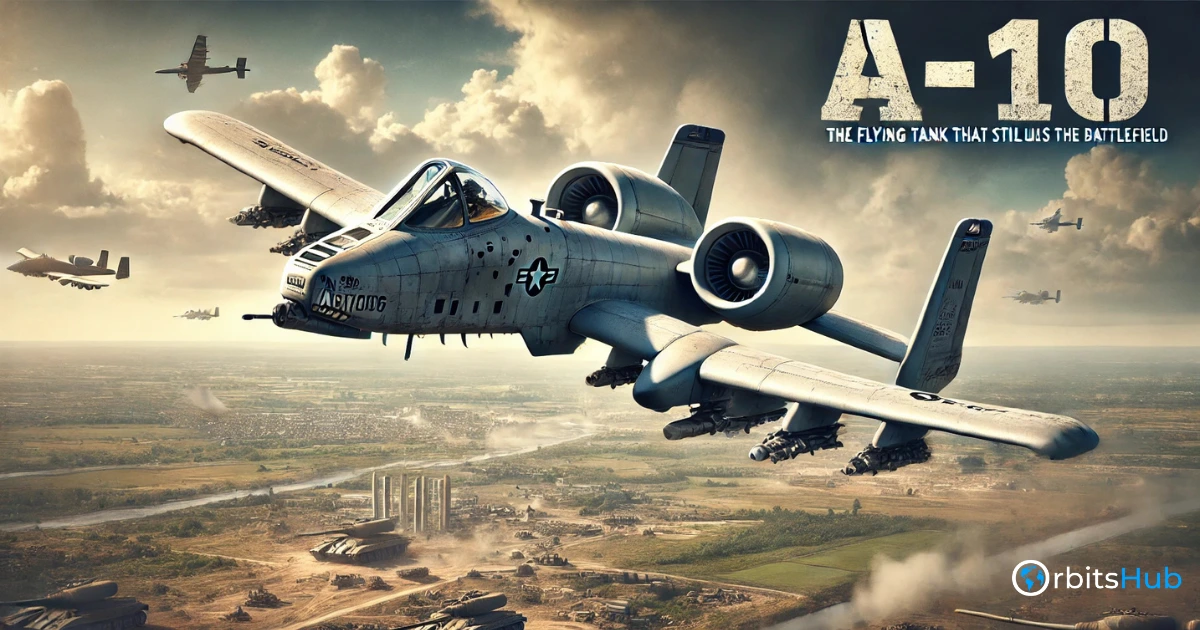
The A-10 Thunderbolt II, often affectionately called the “Warthog,” has earned a legendary status in modern warfare. With its rugged design, unmatched firepower, and ability to take a beating, the A-10 remains the aircraft that soldiers trust the most when things get tough on the battlefield. But what makes this old warhorse such an iconic figure in modern combat, and why is it an essential asset even today? Let’s dive into the story of the A-10, a flying tank that refuses to retire.
Born for a Purpose
The A-10 was built with one clear mission: close air support. In simpler terms, it was designed to fly low and slow, close to the ground, where it could provide cover for troops. The need for such an aircraft became apparent during the Vietnam War when U.S. forces often struggled to receive timely support from fast-flying jets.
Designed in the 1970s, the A-10 was created around its most significant asset: the 30mm GAU-8 Avenger rotary cannon. This massive gun can fire up to 3,900 rounds per minute, tearing through tanks, armoured vehicles, and enemy positions with ease. It’s not just about the weapon, though. The aircraft’s design allows it to loiter above the battlefield for extended periods, offering continuous support to ground troops. Its wings are mounted high, giving it excellent manoeuvrability at low speeds, and the pilot’s cockpit is heavily armoured to ensure safety even during intense combat.
Real-Life Combat Stories: When the A-10 Proved Its Worth

Let’s transport ourselves to the Gulf War 1991, where the A-10 became a superstar. The deserts of Kuwait were filled with enemy tanks and artillery, and the Warthog was sent in to deal with them. One story that sticks out involves an A-10 pilot who single-handedly destroyed 23 Iraqi tanks in one mission. This wasn’t a flashy, high-altitude jet zooming in and out of the battlefield. No, this was a slow, methodical takedown, with the A-10 swooping down, firing its cannon, and then circling back to finish the job.
Many pilots have shared their personal experiences of flying the A-10 in high-risk situations, emphasising how the aircraft’s ability to absorb damage gave them the confidence to dive into the thick of the fight. One such pilot shared how his Warthog took multiple hits from ground fire, yet he could return to base safely. The A-10 is designed with redundancy, meaning if one part of the plane fails, other systems kick in to keep it flying.
The Warthog’s Toughness: Built to Survive
One of the most amazing things about the A-10 is its durability. This isn’t a sleek, fragile machine—it’s a beast built to withstand the harshest conditions. The A-10’s engines are mounted on the back of the aircraft, shielding them from ground fire. Its landing gear is designed to operate from rough, unpaved surfaces, meaning it can land and take off in less-than-ideal conditions.
There’s a story about an A-10 pilot during Operation Iraqi Freedom who was hit by a surface-to-air missile, causing significant damage to one of the wings. Despite the severe damage, the pilot managed to fly the plane back to base, a testament to the aircraft’s toughness and reliability. The fact that pilots can bring these planes back, even after sustaining heavy damage, has earned the A-10 a place in aviation history as one of the toughest warbirds ever built.
A Pilot’s Perspective: Why They Love the A-10
Talking to A-10 pilots is like speaking to someone falling in love. They’ll tell you it’s not the prettiest aircraft, but the one that brings them and their comrades home safely. One pilot compared the A-10 to an old, reliable truck—ugly but dependable. It’s not about the sleek looks; it’s about getting the job done.
Pilots appreciate the Warthog’s forgiving nature. It’s a plane that allows for mistakes, giving them room to correct and stay in the fight. It’s no wonder many pilots prefer flying the A-10 over faster, more advanced jets. The aircraft’s slow speed allows pilots to assess situations on the ground better, making it easier to provide precise support for troops.
Why Does the A-10 Still Rule the Battlefield?
Despite developing newer aircraft with more advanced technology, the A-10 remains indispensable. The U.S. military has tried multiple times to phase out the Warthog. Still, commanders and troops have fought back each time, insisting on its value. Why? The simple truth is that no aircraft does the job of close air support better than the A-10. Its ability to fly low, absorb damage, and unleash devastating firepower makes it perfect for today’s combat scenarios.
In recent years, the A-10 has played a crucial role in conflicts across the Middle East, including in Syria and Afghanistan. Ground troops often feel relieved when they hear the distinctive “brrrt ” sound of the A-10’s cannon, knowing that help is on the way. This level of trust keeps the A-10 flying, even as more advanced aircraft are introduced into the military.
The A-10’s Future: Is Retirement Really on the Horizon?
The debate over the A-10’s future has been ongoing for years. While newer jets like the F-35 are being introduced, many argue there’s still no proper replacement for the A-10’s role. Some officials have proposed upgrading the Warthog with newer technology to extend its service life further. For now, it seems that the A-10 will continue to rule the battlefield, much to the relief of the soldiers it supports.
Why the A-10 is More Than Just a Machine
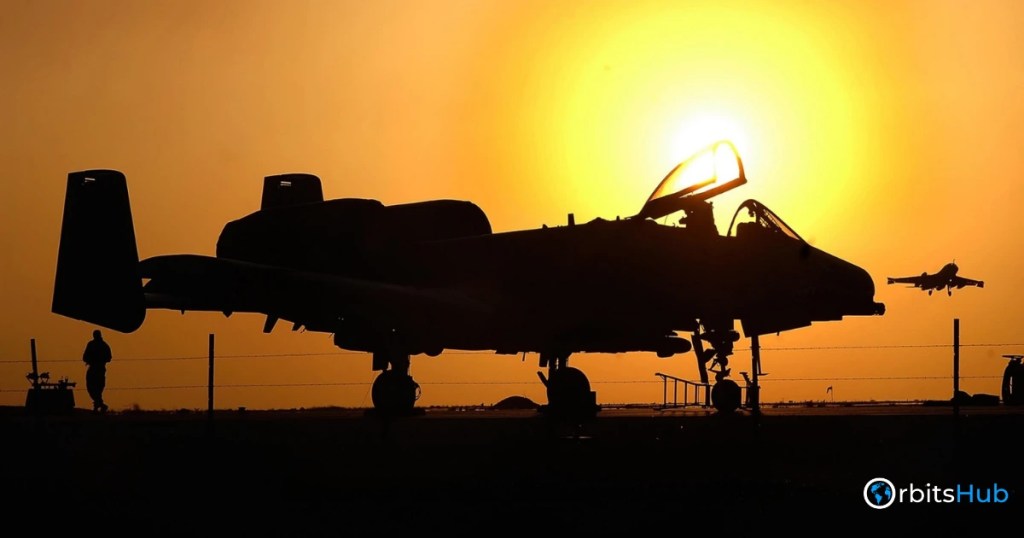
It’s not just the pilots who love the A-10; ground troops also swear by it. The Warthog and the soldiers it protects have a deep emotional connection. Imagine being pinned down by enemy fire with little hope of escape. Then, out of nowhere, you hear the distinctive roar of an A-10 coming to your aid. In those moments, the A-10 isn’t just a machine—it’s a lifeline.
Soldiers on the ground have shared countless stories of how the Warthog saved their lives, swooping in to destroy enemy positions and allowing them to regroup or retreat. This connection between the aircraft and the people it supports is a rare and robust bond, one that few other military assets can claim.
The A-10 Thunderbolt II is more than just a flying tank—it symbolises reliability, toughness, and support. Its story isn’t just about technology; it’s about the human element, the pilots who fly it, and the troops it protects. As we look to the future of warfare, the A-10’s place in history is secure, a reminder that sometimes, the old ways are still the best.
Whether or not the A-10 gets replaced, its legacy will live on in the hearts of those who depended on it in their most critical moments. The Warthog’s roar will echo in the annals of military history, a testament to an aircraft that, against all odds, still rules the battlefield. For more in-depth content on military and aviation technology, explore OrbitsHub—a comprehensive resource for maritime and aviation enthusiasts.
Frequently Asked Questions (FAQ) About the A-10
Its powerful GAU-8 cannon, ability to fly low, and durability make it perfect for close air support.
It’s nicknamed for its rugged appearance and reliability on the battlefield.
Yes, but its vital role in supporting ground troops has kept it in service.
In the Gulf War, an A-10 pilot destroyed 23 tanks in one mission, showcasing its power.
Though newer jets exist, the A-10 remains unmatched for close air support.