Commercial aviation has remarkably transformed the world, narrowing the gap between geographical boundaries and making the world a global village. Learn more about commercial airplanes on this page, which covers their background, different kinds, and manufacturing process.
Commercial aircraft are indispensable to contemporary society as the lifeblood of global commerce and tourism. They come in various sizes, from single-engine freight carriers to colossal giants like the Airbus A380, and cover a wide range of speeds, from below 200 miles per hour to supersonic.
Evolution of Commercial Aircraft
The evolution of commercial aircraft has been a journey of continuous innovation and technological advancement. From the first nonstop flights over the world’s oceans, continents, and poles in the 1920s to the introduction of monoplane aircraft with an all-metal fuselage and retractable undercarriage in the 1930s, aviation has come a long way.
Significance in the Aerospace Industry
The significance of commercial aircraft in the aerospace industry cannot be overstated. In fact, in the early years of the aircraft industry, a significant percentage of the world’s piston-engine commercial aircraft were produced in the United States, with a large proportion of that production attributed to Douglas.
Overview of Commercial Airliners
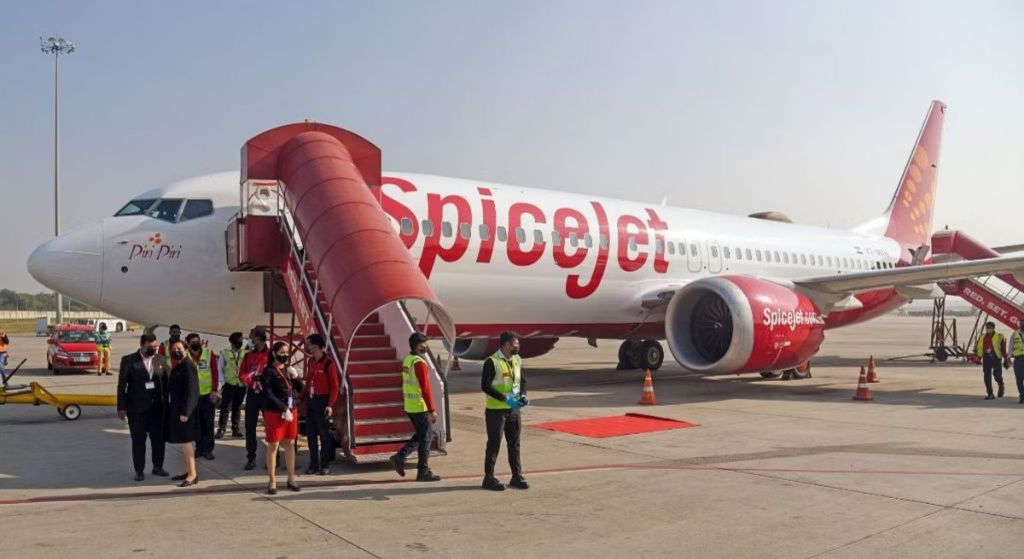
In the realm of commercial airliners, there are several noteworthy models. Let’s delve into the specifics of these remarkable feats of human engineering.
In-depth Look at Specific Aircraft Models
Here are some notable models of commercial currently in production:
- Airbus A220: Originating from Canada, it first took to the skies in 2013 and entered airline service in 2016. As of September 2023, 287 of these aircraft were in service.
- Boeing 737: This US-originated airliner flew in 1967 and entered commercial service a year later. As of July 2023, there were 7,649 of these aircraft in service.
Technological Innovations
Commercial aircraft have consistently been at the forefront of technological innovation. For instance, the first subsonic aircraft to feature fly-by-wire primary controls and a “glass cockpit” was the European consortium’s Airbus A320.
Environmental Impact of Commercial Aviation
Commercial aviation significantly impacts the environment through greenhouse gas emissions and noise pollution. Airlines and manufacturers are working to reduce this impact by investing in fuel-efficient technologies, alternative fuels, and more sustainable practices. For instance, developing biofuels and electric propulsion systems aims to lower carbon emissions. Additionally, improvements in aerodynamic design and lightweight materials contribute to more fuel-efficient aircraft. Environmental regulations and industry standards are also being enforced to mitigate aviation’s ecological footprint.
The Role of Technology in Enhancing Passenger Experience
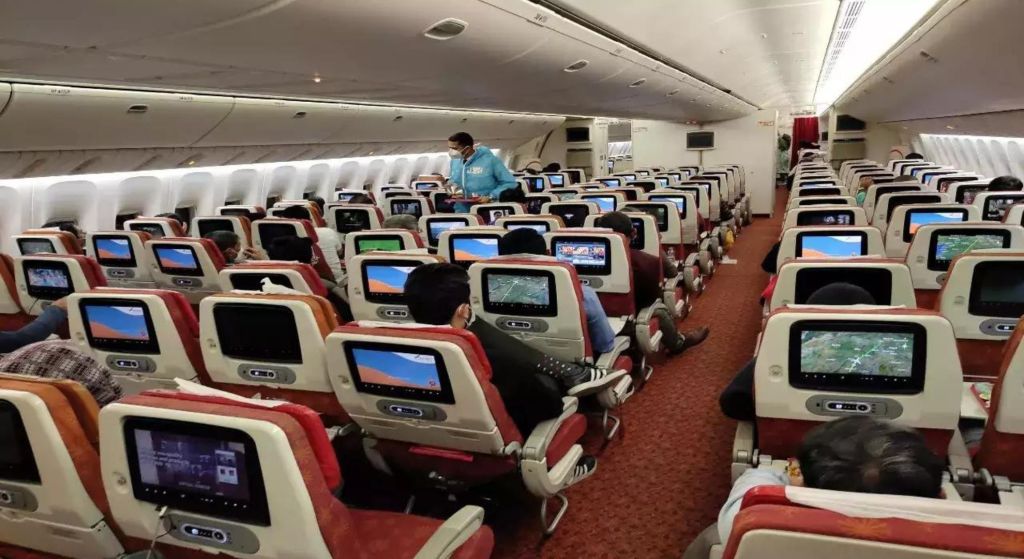
Technological advancements have dramatically improved the passenger experience in commercial aviation. Modern aircraft have state-of-the-art in-flight entertainment systems, high-speed internet connectivity, and advanced seating options to enhance comfort. Innovations such as mood lighting and quieter cabins contribute to a more pleasant travel experience. Moreover, airlines increasingly use data analytics and artificial intelligence to personalize services, streamline operations, and improve customer satisfaction. Implementing biometric security measures and seamless check-in processes enhances the overall travel experience, making air travel more convenient and enjoyable for passengers.
The Production Process
The production process of aircraft is a complex one, involving intricate design and precise manufacturing. It begins with conceptualising the aircraft design, then the construction of individual parts, and finally, the aircraft assembly.
Role in International Economy
Commercial aircraft play a crucial role in the international economy. They facilitate the swift movement of people and goods across the globe, making them indispensable for international business, tourism, and trade.
Safety Measures in Commercial Aircraft
Aviation Safety is paramount in commercial aviation. Enhanced vision systems using video and infrared cameras or millimetre-wave radar are being developed to improve the all-weather operation of aircraft.
The Future of Commercial Aircraft
Research and development initiatives to make aircraft more efficient, safer, and less environmentally harmful bode well for their future.
These initiatives often focus on advancements in aerodynamics, materials science, propulsion systems, and avionics technology. Additionally, research into alternative fuels and sustainable manufacturing processes further contributes to the goal of reducing the environmental impact of air travel. As these innovations continue to evolve, they not only enhance the performance and safety of aircraft but also align with global efforts to mitigate climate change and promote sustainable transportation solutions.
FAQ’s
1. What is a commercial aircraft?
A aircraft is an aeroplane design and utilized to transport passengers and cargo by air, operated by airlines and available for hire to the general public.
2. How many types of commercial aircraft are there?
There are several aircraft types, including narrow-body, wide-body, regional, and turboprop aeroplanes, each serving different passenger capacities and range requirements.
3. What is the largest commercial aircraft currently in service?
As of my last update in April 2023, the Airbus A380 was known as the largest aircraft in terms of passenger capacity, but please check the latest updates as the industry is continuously evolving.
4. What is the average lifespan of a commercial aircraft?
Although variables like the aircraft’s use, maintenance, and manufacturer’s design can significantly affect the lifespan, a commercial plane usually has a lifespan of between 20 and 30 years.
5. How are commercial aircraft power?
Jet engines or turboprop engines typically power aircraft. Jet engines are more common for extensive, long-haul flights, while turboprop engines are often used for shorter, regional routes.
6. What are the safety requirements for commercial aircraft?
Aviation agencies like the FAA and the EASA have established strict safety requirements that commercial aircraft must follow. These regulations include routine maintenance, safety checks, and crew training.
7. How far can a commercial aircraft fly without refuelling?
The range depends on the model and configuration, but some long-range aircraft can fly over 8,000 nautical miles without refuelling.
8. What is the average speed of a aircraft?
Commercial jet typically cruise between 800 and 970 kilometres or 500 to 600 miles per hour.
9. Can commercial fly in all weather conditions?
Commercial can fly in various weather conditions. Still, severe weather, such as heavy thunderstorms, ice, or extreme turbulence, can lead to flight delays, diversions, or cancellations for safety reasons.
10. How has aircraft design evolved to be more environmentally friendly?
Aircraft design has evolved by introducing more fuel-efficient engines, lighter materials, and aerodynamic improvements to reduce carbon emissions and noise pollution and meet environmental standards.
Commercial aircraft have revolutionized the world, making long-distance travel a reality for many. As technology advances, the future of commercial aviation promises to be even more exciting. From supersonic jets capable of cutting travel times in half to environmentally sustainable aircraft powered by renewable energy sources, the future of commercial aviation holds immense potential. With advancements in materials science and aerodynamics, we can anticipate faster, more efficient, quieter, and more comfortable aircraft for passengers. A new age of air travel—one that is safer, more efficient, and more accessible than ever before—is on the horizon, thanks to the integration of automation technologies and artificial intelligence, which will supposedly improve safety and streamline operations.