The vast expanse of the oceans has always presented challenges for navigation. Unpredictable weather patterns can pose significant risks to ships, crew, and cargo. Thankfully, advancements in weather radar technology are revolutionizing how the maritime industry approaches weather forecasting and route planning. Let’s dive into how these advancements make waves (pun intended) in marine safety and efficiency.
Sharper Eyes at Sea: The Benefits of Advanced Weather Radar
Traditional weather radar systems were primarily used for collision avoidance, detecting the presence of other vessels. Modern maritime radar goes far beyond this essential function. Here’s how the latest technology is benefiting the maritime industry:
Enhanced Weather Detection and Tracking:
Modern weather radar uses sophisticated algorithms to analyze atmospheric data. This allows for the detection and tracking of various weather phenomena, including:
- Storms and Squalls: Early detection of storms allows for course correction and helps ships avoid hazardous weather.
- High Waves: Predicting wave heights is crucial for ensuring safe navigation and preventing damage to cargo.
- Fog Banks: Fog can significantly reduce visibility, posing a significant navigational hazard. Advanced radar can “see” through the fog, allowing for safer passage.
- Heavy Precipitation: Heavy rain or snowfall can impact visibility and ship stability. Early awareness allows for adjustments in speed or course.
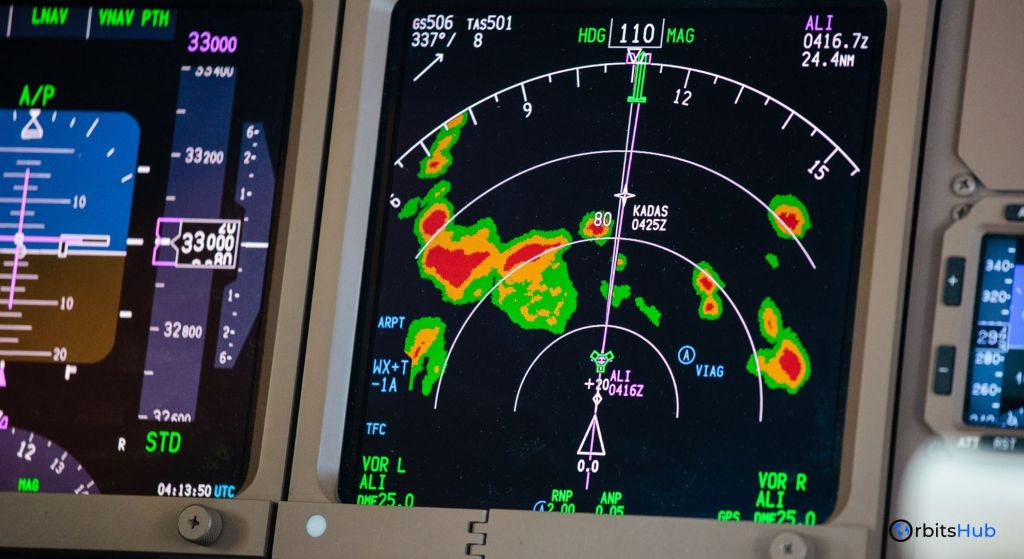
These advancements provide crucial real-time data that empowers captains to make informed decisions for the safety of their crew and vessel.
Improved Accuracy and Resolution:
Modern weather radar systems boast higher resolution and improved accuracy than their predecessors. This translates to:
- More apparent differentiation between weather patterns and other objects: Advanced systems can distinguish between rain and hail or between a storm and a flock of birds, ensuring more precise decision-making.
- More excellent range and coverage: Modern radar can “see” further, providing valuable insights into weather patterns developing at a distance.
Improved accuracy allows for more confident route planning and minimizes the risk of encountering unexpected weather hazards.
Integration with Other Technologies:
Modern weather radar systems often integrate seamlessly with other navigational technologies, such as:
- Computerized chart display and information system: This system overlays weather data onto electronic charts, giving captains a clear picture of weather conditions along their planned route.
- Automatic Identification System (AIS): This system shows the whereabouts and motion of other ships in real-time, allowing better navigation in bad weather.
This integration creates a comprehensive picture of the maritime environment, allowing for optimal decision-making on the bridge.
Dual-Polarization Technology: Seeing Beyond the Raindrops
Traditional weather radar transmits and receives radio waves in a single horizontal plane. This can sometimes limit its ability to differentiate between different types of precipitation and other atmospheric phenomena. Dual-polarization technology overcomes this limitation by transmitting and receiving radio waves in horizontal and vertical planes.
This allows for a more detailed analysis of the raindrops or other particles within a weather system. Here’s how dual-polarization benefits the maritime industry:
- Distinguishing Rain from Hail: Dual-polarization can differentiate between rain and hail, which is crucial for safe navigation. Hail can damage ships and injure crew members, so early detection is essential.
- Improved Detection of Wind Shear: Unpredictable changes in wind speed or direction, known as wind shear, threaten aeroplanes. While not directly impacting ships, advanced weather radar data shared with aviation authorities can improve air traffic management around busy ports.
- Better Understanding of Storm Severity: Dual-polarization data provides a more comprehensive picture of a storm’s structure, allowing for a better assessment of its intensity and potential impact.
Dual-polarization technology empowers captains to make even more informed decisions about navigating challenging weather conditions by providing a deeper look into weather systems.
The Rise of X-Band Radar: Penetrating Through Heavy Rain
Millimeter wave radars, or X-band radars, operate more frequently than traditional weather radars. This allows them to penetrate through heavy rain and fog more effectively. Here’s how X-band radar benefits the maritime industry:
- Maintaining Visibility in Dense Fog: Fog can be a significant navigational hazard. X-band radar can “see” through the fog, allowing ships to navigate safely even in low-visibility conditions.
- Improved Detection of Low-Lying Clouds: Low-lying clouds can be challenging to detect with traditional radar. X-band radar can provide a clearer picture of cloud cover, helping captains avoid hazardous weather systems.
- Enhanced Short-Range Weather Detection: X-band radar excels at detecting short-range weather phenomena like sudden gusts or wind shear, allowing for immediate course corrections.
While X-band radar may not have the same long-range capabilities as traditional systems, its ability to see through heavy precipitation and provide detailed short-range information makes it a valuable tool for navigating challenging maritime environments.
Steering Towards a Safer Future
Advancements in weather radar technology are transforming the maritime industry. Improved weather detection, tracking, and integration with other technologies lead to safer and more efficient voyages. These advancements protect lives and cargo and contribute to a more sustainable maritime industry by allowing for optimized fuel consumption and route planning.
Are you curious about maritime and aviation consultancy? Explore orbitshub.com for expert insights and services tailored to your needs. Visit now to navigate your industry with precision!