Air traffic control is an essential part of the aviation business. It ensures that planes can get in and out of airports and safely move around the sky. Air traffic controllers use advanced technologies and communication systems to ensure the safety and efficiency of air travel.

What is Air Traffic Control, and How Does it Work?
Air Traffic Control (ATC) is a service trained professionals provide to manage safe and efficient aircraft movement in the airspace. ATC’s primary responsibility is to ensure the safety of all aircraft by providing separation between them. The ATC system works by utilizing a network of communication tools, such as radar and radio, to track airplanes and provide guidance to pilots. Here are some key points about how air traffic control works:
- ATC provides instructions and guidance to pilots, including altitude and direction changes, to ensure air traffic’s safe and efficient flow.
- The ATC system includes ground-based radar stations that track aircraft and air traffic controllers who manage the airspace.
- Pilots must follow the instructions provided by ATC to maintain separation from other aircraft and avoid potential collisions.
The Benefits of Automated Air Traffic Control Systems
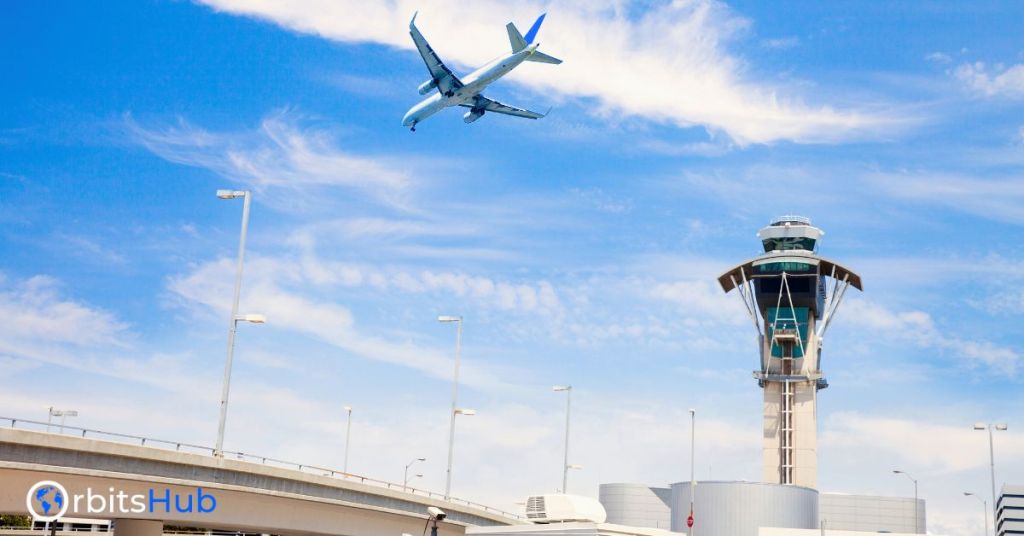
Automated Air Traffic Control Systems (AATCS) use advanced technology to enhance the efficiency and safety of the air traffic control system. Here are some benefits of AATCS:
- Increased Safety: Automated systems can detect potential safety risks and alert controllers to take action to avoid collisions.
- Improved Efficiency: Automated systems can help reduce flight delays by optimizing flight paths and reducing wait times.
- Enhanced Communication: Automated systems provide clear and concise communication between controllers and pilots, reducing the risk of miscommunication.
- Cost Savings: By streamlining operations and removing the need for manual monitoring, AATCS can lower staffing costs.
What Kinds of Technologies Are There for Air Traffic Control Systems?
Several types of Air Traffic Control System (ATCS) technologies are used to manage air traffic. Here are some key examples:
- Primary Radar: Ground-based radar systems that detect the location and speed of aircraft using radio waves.
- Secondary Radar: A more advanced radar system that provides additional information about aircraft, such as altitude and identity.
- Automatic Dependent Surveillance-Broadcast (ADS-B): A satellite-based system that can track a plane’s location, altitude, and velocity in real-time.
- CPDLC (Controller-Pilot Data Link Communications): A digital communication system that enables text messaging between controllers and pilots.
- Collaborative Decision Making (CDM): A tool that allows airlines, airports, and air traffic control agencies to communicate and coordinate flights for more efficient operations.
What are Air Traffic Control System Key Functions?
The primary function of an air traffic control system is to ensure the safe and efficient management of aircraft movements in the airspace. Here are some of the critical parts of an air traffic control system:
- Separation: Controllers use radar and other surveillance systems to keep aircraft separated from each other to avoid collisions.
- Traffic Management: Controllers monitor and manage air traffic flow to ensure efficient use of airspace and minimize delays.
- Communications: Controllers communicate with pilots and provide information on weather conditions, flight restrictions, and runway availability.
- Navigation Assistance: Controllers provide guidance and assistance to pilots to ensure safe takeoff, landing, and aircraft taxiing.
- Emergency Response: In emergencies or abnormal situations, controllers provide guidance and assistance to pilots to ensure a safe outcome.
The Importance of Communication and Collaboration in Air Traffic Control

Air Traffic Control (ATC) manages aircraft movement in the airspace around airports and the skies between them. Collaboration and open lines of communication are crucial in air traffic control because they maintain air travel safety and efficiency and allow air traffic controllers, pilots, and other aviation professionals to work together and communicate efficiently.
Protection
Clear communication and collaboration can help prevent accidents and incidents by ensuring that all aviation professionals have accurate and up-to-date information about the aircraft’s location, speed, and altitude in the airspace.
Efficiency
Collaborative decision-making and communication can help reduce delays and improve the flow of air traffic, resulting in more efficient use of airspace and reduced fuel consumption.
Human Factors
Effective communication and collaboration can help reduce stress and workload for air traffic controllers, improving their performance and job satisfaction.
How to Choose the Best Air Traffic Control System for Your Needs?
Choosing the best air traffic control system depends on the specific needs of the airspace and airport. When selecting an air traffic control system, the following factors should be considered:
Size and Complexity of the Airspace: The size and complexity of the airspace will determine the type of air traffic control system needed.
- Traffic Volume: The number of aircraft flying in the airspace will determine the capacity required in the air traffic control system.
- Technology: Consider the latest technology available and how it can be integrated into the existing system.
- Human Resource: The availability of a skilled workforce is essential to operate the air traffic control system.
- Cost: The cost of the system and its maintenance should be considered before making a purchase.
How does Air Traffic Control respond to Emergencies and Disruptions?
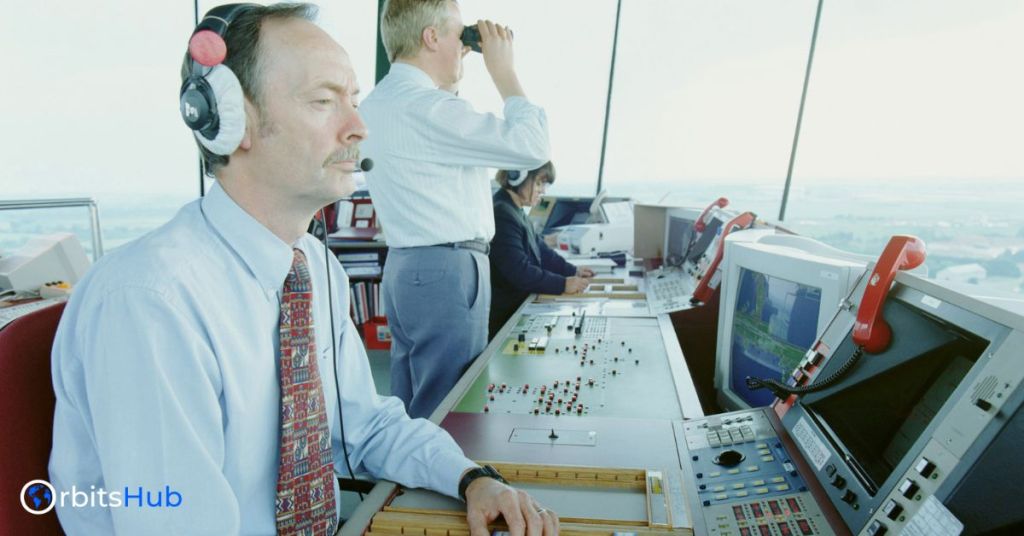
Air traffic control is responsible for responding to emergencies and disruptions in the airspace around airports or in-flight. Here are some examples of how air traffic control responds to these situations:
Aircraft Emergencies
In an aircraft emergency, air traffic control will work with the pilot to assess the situation and provide guidance on the safest course of action. This may involve coordinating with emergency services on the ground, rerouting other aircraft to avoid the affected area, or clearing airspace for the affected aircraft to land.
Weather Disruptions
Air traffic control monitors weather conditions and may issue alerts or warnings to pilots if conditions are likely to affect flights. In severe weather, air traffic control may need to reroute or delay flights to ensure the safety of aircraft and passengers.
Airspace Incursions
Air traffic control is responsible for maintaining separation between aircraft in the airspace. In the event of a potential incursion, aircraft control will instruct pilots to prevent a collision.
System Outages
In a system outage or disruption, air traffic control will have backup systems to ensure that communication and navigation continue functioning. This may involve using manual procedures like paper flight strips to track and manage air traffic.
What Are Some of the Challenges Facing Modern Air Traffic Controllers?

Modern air traffic controllers face challenges that make their job crucial and demanding. Here are some of the challenges facing modern air traffic controllers:
- Increasing Air Traffic: The growing number of flights makes it challenging to manage air traffic flow.
- Weather Conditions: Severe weather conditions can cause delays, diversions, or cancellations, making it difficult for controllers to manage traffic.
- Security Issues: Air traffic controllers must ensure the safety of passengers and the aircraft, especially in high-security risk areas.
- Technological Advances: Keeping up with the latest technology can challenge air traffic controllers.
- Fatigue and Stress: The job of an air traffic controller is demanding and stressful, requiring high levels of concentration and decision-making skills.
Air traffic control is a complex and essential part of the aviation industry. By managing the flow of air traffic and ensuring the safety of passengers and crew, air traffic controllers play a crucial role in making air travel safe and efficient. With ongoing technological advances, air traffic control will continue to evolve and improve, helping to shape the future of aviation.