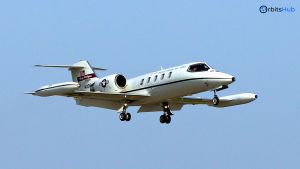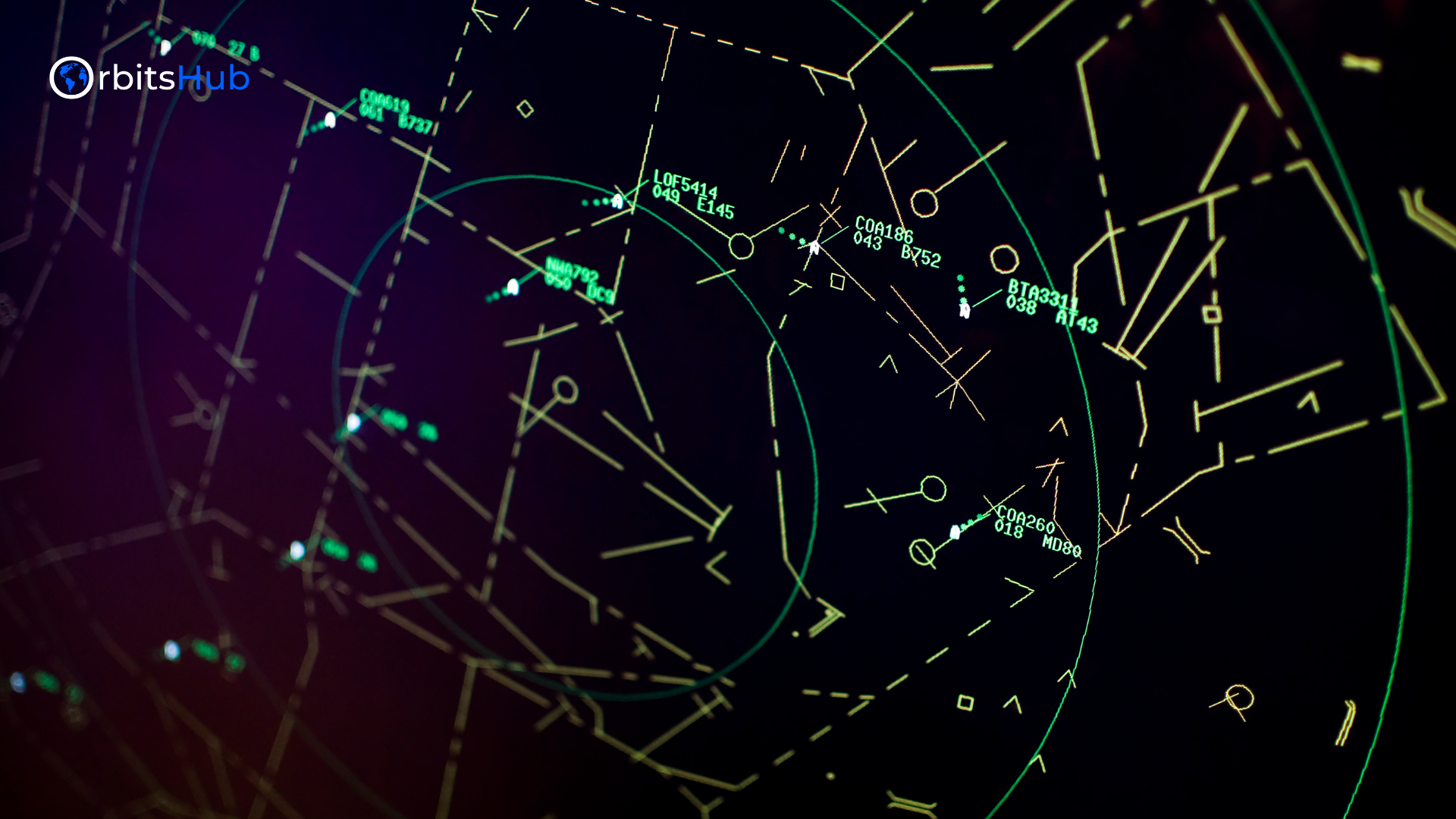
When we board an aircraft, we often marvel at the technology that makes air travel possible. However, we rarely consider the intricate system that ensures our safety while flying. Air Traffic Management (ATM) is the unsung hero of modern aviation, ensuring that millions of flights every year are conducted safely, efficiently, and without incident. It involves much more than just air traffic controllers in towers; it’s a complex system that integrates technology, human expertise, and constant communication.
What is Air Traffic Management (ATM)?
Air Traffic Management refers to managing air traffic in the skies and airports to ensure aircraft safety during flight. This includes controlling airspace, monitoring aircraft movement, managing flight schedules, and providing efficient communication between pilots, air traffic controllers, and ground services. ATM’s final goal is to stop accidents, cut down on delays, and make the aviation sector run more smoothly overall.
While air traffic controllers are the most visible part of ATMs, the system is far more intricate. It involves multiple layers of technology and coordination. ATM ensures that millions of flights, from short-regional to long-haul international flights, operate smoothly yearly. It encompasses everything from pre-flight planning to post-flight coordination, ensuring that planes don’t just stay in the air but move through the air safely, controlled, and efficiently.
How Does Air Traffic Management Work?
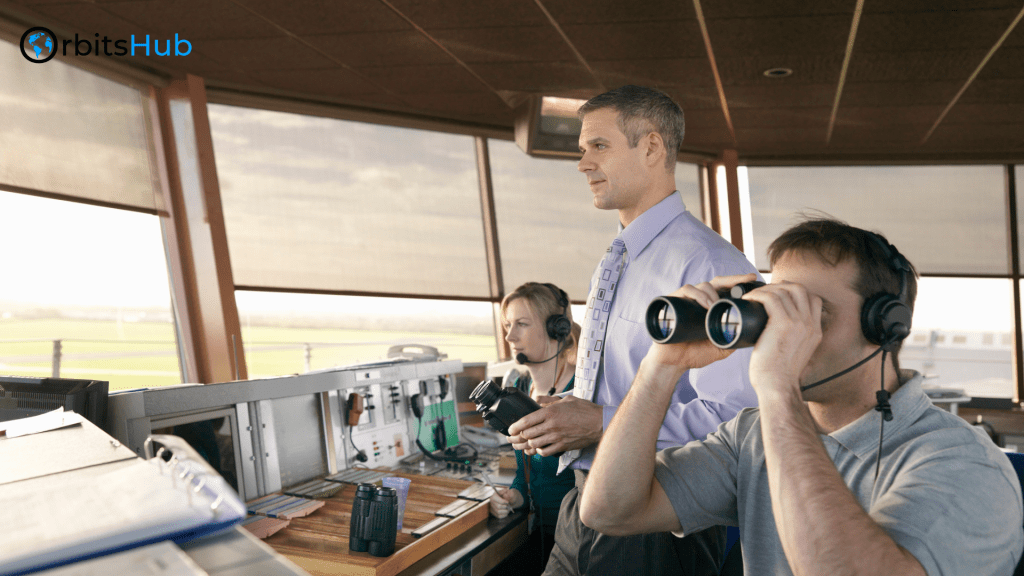
Air Traffic Management operates in three key phases: Pre-flight Planning, En-route Management, and Arrival/Approach Management. Each phase has challenges and requires highly skilled professionals and advanced technology to execute safely and efficiently.
Pre-Flight Planning
Before any aircraft leaves the ground, the air traffic management process begins with pre-flight planning. Airlines submit flight plans, which include detailed information on the aircraft’s route, altitude, and expected landing times. Air traffic control authorities review these plans to ensure the chosen path is safe and does not conflict with other air traffic. Air traffic controllers consider weather conditions, airspace capacity, and other flights to optimize the routing of the aircraft.
In this stage, the objective is to ensure that the airspace is used as efficiently as possible, preventing congestion. Effective planning helps avoid unnecessary delays and minimizes the chances of aircraft having to deviate from their planned route mid-flight.
En-route Management
Once airborne, a flight enters the en-route phase, which involves monitoring the flight as it progresses toward its destination. This is where air traffic controllers genuinely come into play. Working with advanced radar and satellite systems, they track aircraft positions in real-time to ensure they follow their planned routes. Controllers adjust aircraft altitude and direction as necessary to keep planes safely separated from each other.
Managing air traffic can be highly challenging in congested areas, such as busy air corridors and around major airports. The air traffic controller’s role becomes especially critical in these zones, where precise communication with pilots and real-time adjustments to flight paths are essential for avoiding accidents.
Arrival and Approach Management
The final phase of ATM is managing the descent and approach of an aircraft as it nears its destination. In busy airspaces, multiple flights may descend toward the same airport, and it’s up to the air traffic controllers to ensure that these planes are safely separated. Special teams, known as approach controllers, handle this phase of the flight, sequencing aircraft for landing while ensuring that planes maintain the proper distance from each other.
This phase is crucial in maintaining the flow of air traffic at major airports. Without efficient approach management, the landing process could become a bottleneck, leading to delays and congestion on the ground.
The Role of Technology in Air Traffic Management
Technology is an integral part of current Air Traffic Management. No longer do air traffic managers only use radar and talk to each other by hand. Integrating advanced technologies has made ATMs more efficient, safe, and reliable.
Automatic Dependent Surveillance-Broadcast (ADS-B) is one of these improvements. It lets planes tell air traffic managers and other planes exactly where they are at all times. This system provides far more precise data than traditional radar, which helps reduce the chances of an aircraft being lost in the system. ADS-B also enhances communication and coordination, particularly in remote areas that lack traditional radar coverage.
Air Traffic Flow Management (ATFM) is another essential technology that helps manage the flow of air traffic efficiently. ATFM systems predict air traffic demand and adjust flight schedules to ensure smooth operations. By reducing congestion in busy air corridors, ATFM prevents delays and reduces the environmental impact by optimizing flight paths and minimizing fuel consumption.
Safety in Air Traffic Management
The safety of air traffic is the cornerstone of ATM. With the growing number of flights each year, ensuring safety requires layers of redundancy and highly trained personnel. Every air traffic controller is trained to handle emergencies, and ATM systems are designed with multiple backups. For example, if a controller loses radar contact with an aircraft, other systems—such as satellite tracking—immediately take over to ensure the plane is still monitored.
Aircraft are also required to maintain a safe distance from one another, a rule known as “separation.” Separation rules are based on the aircraft’s speed, altitude, and position and are carefully monitored by air traffic controllers. In addition, the increasing use of NextGen (Next Generation Air Transportation System) technology has introduced advanced tracking and communication tools, further enhancing safety.
The Economic Impact of Air Traffic Management
Efficient Air Traffic Management doesn’t just keep passengers safe; it also has a significant economic impact. ATMs are key to lowering airlines’ running costs because they help them find the best flight paths, cut down on delays, and use less fuel. The International Air Transport Association (IATA) says that improving ATMs could save the world’s aviation business billions of dollars annually by cutting down on fuel use and delays.
Furthermore, efficient ATM systems allow airports to manage more flights with fewer delays, which means more flights can be scheduled within the same airspace. This increases the overall capacity of the aviation system, enabling airlines to operate more flights, increase their profitability, and improve customer satisfaction.
Challenges Facing Air Traffic Management Systems
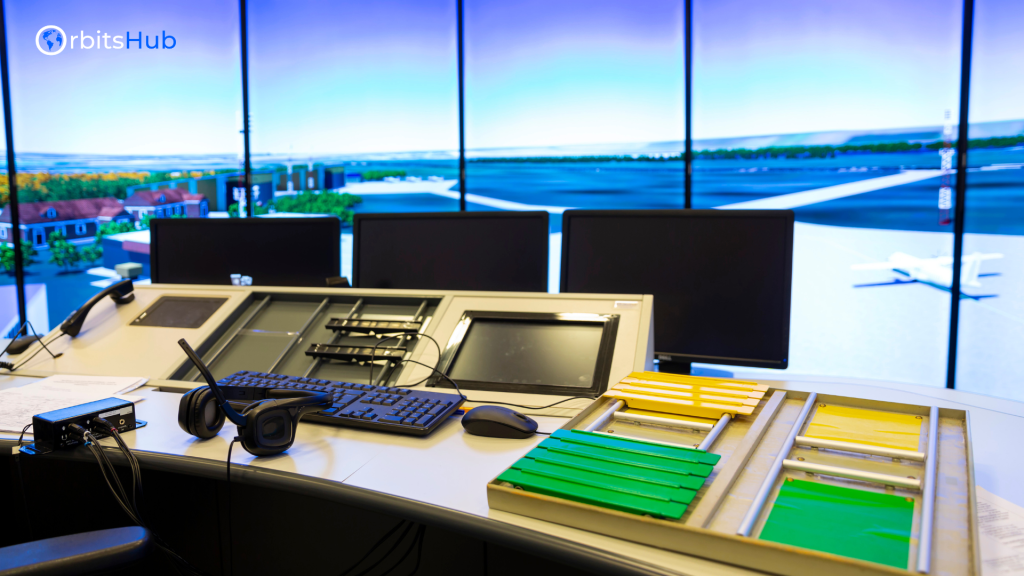
Despite its successes, Air Traffic Management faces several challenges. The rapid increase in air traffic, especially in regions with busy airports, puts pressure on ATM systems to handle growing demand. Airspace congestion, limited infrastructure, and an ageing workforce of air traffic controllers are some challenges the ATM system faces today.
Additionally, introducing drones and unmanned aerial vehicles (UAVs) into controlled airspace presents new challenges for ATMs. Integrating these new types of aircraft into existing airspace requires the development of new technologies and regulations, making the evolution of ATM an ongoing process.
The Future of Air Traffic Management
As the aviation industry continues to evolve, so must air traffic management. With the introduction of electric and autonomous aircraft and an increasing reliance on drones, the future of ATM will likely involve more automated systems and artificial intelligence.
Moreover, airspace modernization projects, like the European SESAR program and the United States NextGen initiative, are already making strides to improve ATMs by adopting more advanced, satellite-based navigation and communication systems. These technologies will make it possible to control air traffic even more precisely, keeping flying safe and efficient as it grows.
Frequently Asked Questions
1. What are the key phases of Air Traffic Management?
Air Traffic Management involves three key stages: pre-flight planning, en-route management, and arrival/approach management. These phases ensure that flights are safely coordinated from departure to arrival.
2. How does technology improve Air Traffic Management?
Advanced technologies like Automatic Dependent Surveillance-Broadcast (ADS-B) and Air Traffic Flow Management (ATFM) enhance the accuracy of aircraft tracking, reduce delays, and optimize flight routes, making air traffic management more efficient and safe.