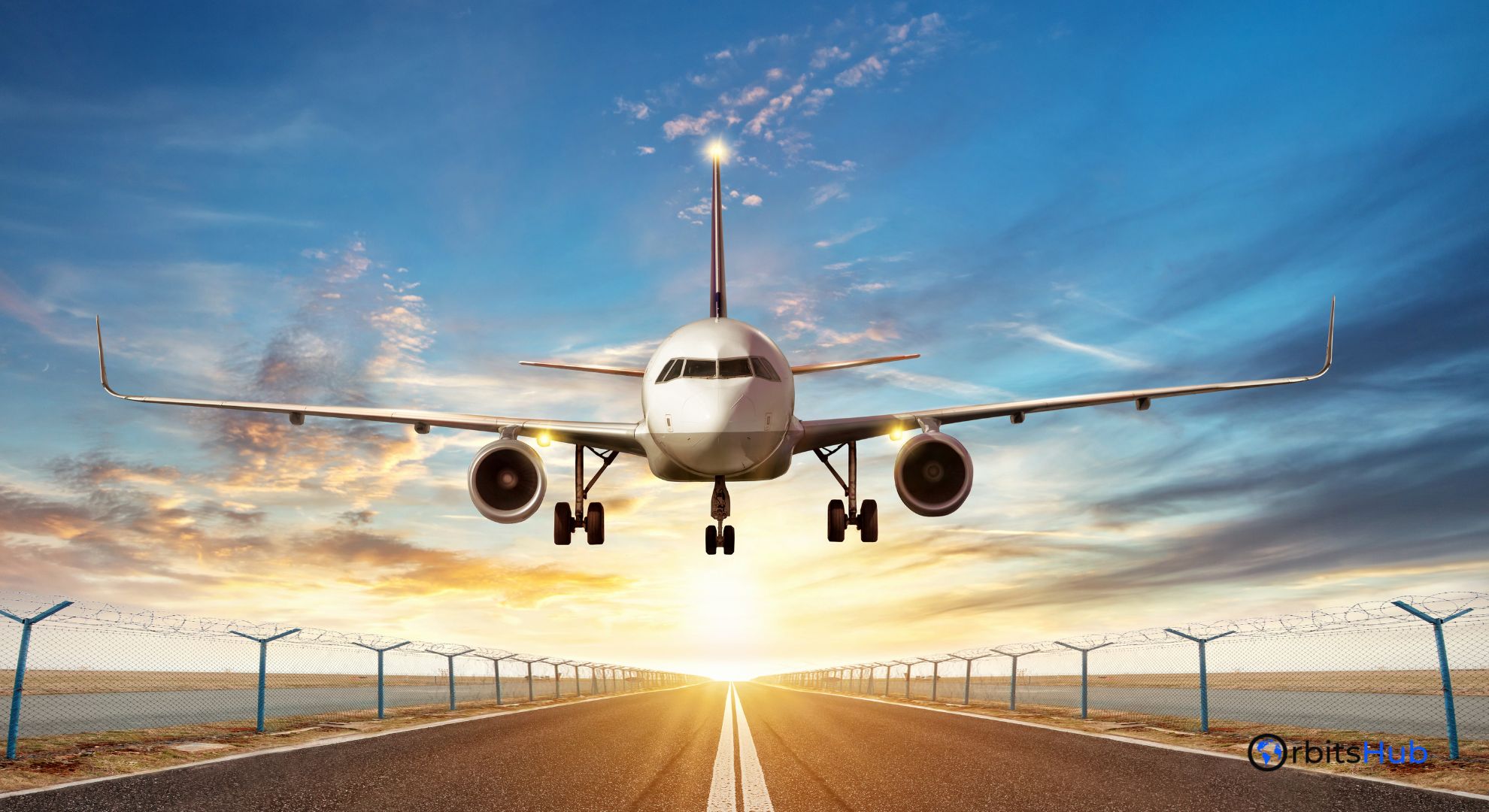

Have you ever gazed skyward in awe as a colossal aeroplane gracefully lifts off the ground, defying gravity and embarking on a journey across vast distances? This seemingly effortless feat is a marvel of modern engineering and physics, meticulously orchestrated by the principles of aerodynamics and powerful engines. This blog delves into the science behind aircraft takeoff, explaining the key factors that enable these magnificent machines to conquer the pull of gravity and take flight.
The Crucial Role of Lift: Understanding the Forces at Play
For an aircraft to take off, it needs to generate sufficient lift, a force that counteracts gravity and allows it to become airborne. Here’s a breakdown of the essential elements that contribute to lift:
- Wings and Airfoil Design: The fundamental principle behind lift lies in the shape of an aeroplane’s wings. They are airfoils specially designed with curved upper and flatter lower surfaces. As the aircraft gains speed during takeoff, air flows over the wings. Due to the wing’s curvature, air travels faster over the top compared to the bottom, creating a pressure differential. The higher pressure below the wing and lower pressure above generate lift, pushing the aircraft upwards.
- The Attack: The angle of attack refers to the angle between the wing’s chord and the relative wind (the air flowing over the wing). Pilots adjust the angle of attack during takeoff by raising or lowering the elevators, which are control surfaces on the horizontal stabilizer at the tail. Increasing the angle of attack, the wing generates more lift at lower speeds, which is crucial for initial takeoff.
- Air Speed: Another essential factor is airspeed. Air flows faster over the wings as the engines propel the aircraft forward. This increased airspeed translates to more excellent lift, eventually overcoming the aircraft’s weight and enabling it to take off.
Powering Up for Takeoff: The Role of Engines
While lift is the force that makes an aeroplane airborne, powerful engines provide the thrust needed to achieve airspeed for lift generation. Here’s how different aircraft engine types contribute to takeoff:
- Turbofan Engines: Most commercial aeroplanes today utilize turbofan engines. To operate, these engines take in air, compress it, combine it with fuel, and light it. The hot gases expand rapidly, generating thrust and propelling the aircraft forward. Turbofan engines also incorporate a bypass duct that channels air around the engine core, generating additional forward thrust and improving fuel efficiency.
- Turboprop Engines: Smaller planes and turboprop airliners often use turboprop engines. They function similarly to turbofan engines but utilize a propeller instead of a bypass fan. The propeller generates thrust by pushing air backwards, propelling the aircraft forward.
Factors Affecting Aircraft Takeoff Performance
Several factors influence the distance and speed required for an aircraft to take off safely:
- Aircraft Weight: Heavier aircraft require more lift to become airborne, translating to a longer takeoff roll or the need for a higher initial airspeed.
- Altitude and Air Density: Air density plays a crucial role in lift generation. Thinner air at higher altitudes offers less resistance, requiring a longer takeoff run or a higher initial aircraft take off speed than takeoffs at sea level.
- Headwind/Tailwind: A headwind (wind blowing opposite the direction of takeoff) provides additional airspeed, aiding in a shorter takeoff roll. Conversely, a tailwind reduces the relative airspeed over the wings, potentially requiring a longer takeoff run.
- Runway Length and Surface: The length and condition of the runway are crucial factors. Longer runways allow for a gradual increase in airspeed before takeoff. Runway surface quality also plays a role; a smooth, dry runway provides optimal traction for efficient acceleration.
Beyond Takeoff: The Stages of Flight
An aircraft’s journey doesn’t end at takeoff. Here’s a simplified breakdown of the different stages of flight:

- Climb: The aircraft enters the climb phase after achieving takeoff speed and lifting off the ground. The pilot maintains a specific climb rate and angle to gain altitude safely and efficiently.
- Cruise: Once reaching the desired cruising altitude, the aircraft enters the cruise phase. During this stage, the engines operate at a more constant power setting, aiming for optimal fuel efficiency while maintaining cruising speed.
- Descent: To prepare for landing, the aircraft descends from cruising altitude. The pilot gradually reduces engine power and adjusts the flight path to follow a descent profile that ensures a safe and controlled approach to the runway.
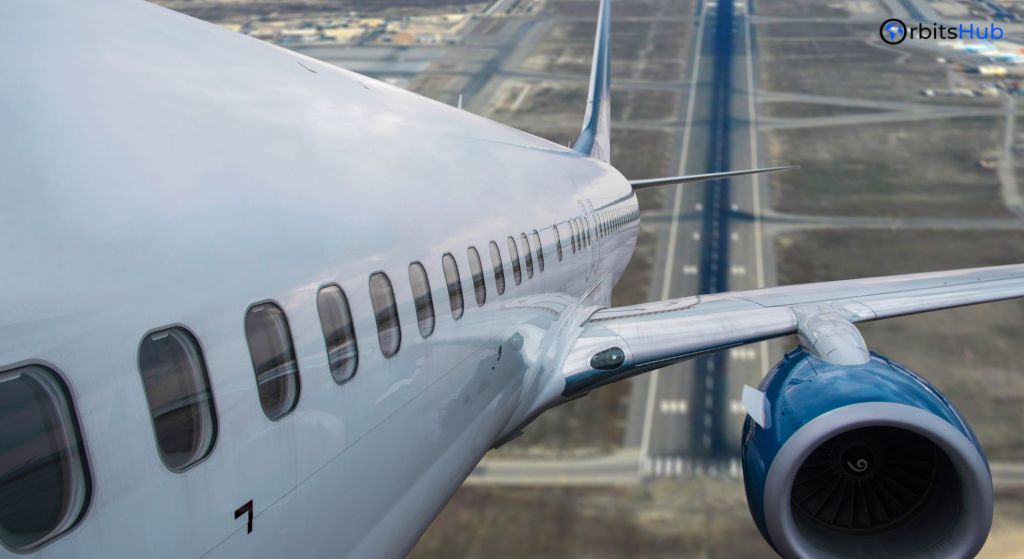
- Landing: The landing phase is a critical manoeuvre requiring precise control from the pilot. The aircraft descends towards the runway, flares (raises its nose slightly) to slow down the descent rate, touches down gently, and applies braking to decelerate and come to a complete stop.
The Importance of Pre-flight Checks and Procedures
Takeoff is a crucial phase of flight, and meticulous pre-flight checks and adherence to established procedures are paramount for ensuring safety:
- Pilot Pre-flight Inspection: Pilots conduct a thorough pre-flight inspection of the aircraft, visually and through onboard instruments, to verify the plane’s airworthiness and the proper functioning of all critical systems.
- Air Traffic Control (ATC) Clearance: Communication and coordination with Air Traffic Control (ATC) are essential. Pilots obtain clearance for takeoff, ensuring proper separation from other aircraft in the vicinity and following ATC instructions for a safe and orderly departure.
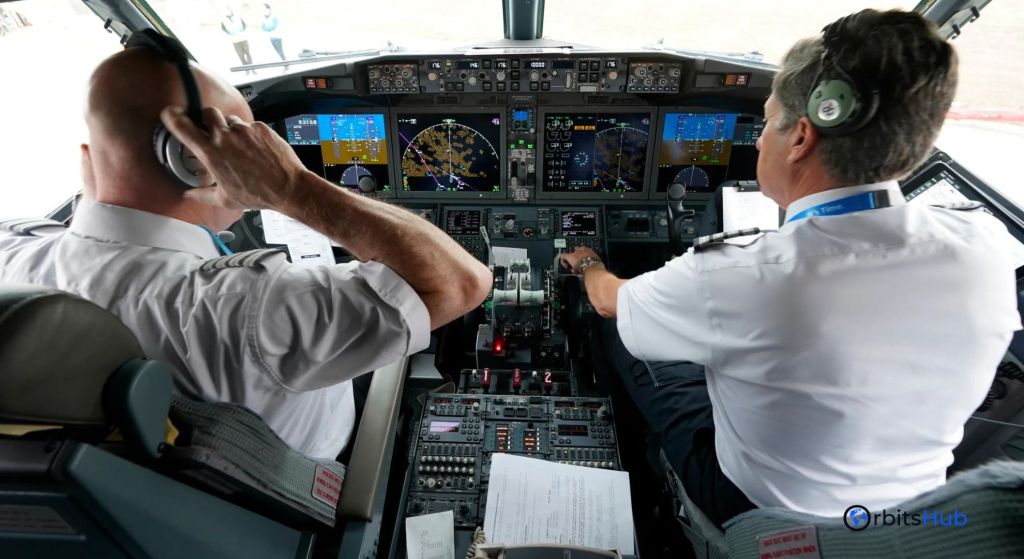
- Engine Checks and Power Up: Pilots perform engine checks before takeoff to ensure proper functionality and stable operation. They then gradually increase engine power to achieve the necessary thrust for takeoff.
- Takeoff Checklist and Procedures: Pilots follow a standardized takeoff checklist, ensuring all critical steps are completed before initiating the takeoff roll. These procedures cover flap settings, control surface checks, and final engine checks.
The Art and Science of Taking Flight
Aircraft takeoff is a complex process that requires a meticulous interplay of physics, engineering, and pilot skills. Understanding the science behind lift painted a clearer picture. The role of engines was also an essential factor. Various factors affecting takeoff performance were clarified.
Are you intrigued by the fascinating world of aviation? Do you find the intricacies of aircraft operations captivating? OrbitsHub, a leading maritime and aviation consultancy, can be your trusted partner. Aircraft technology is one area where our specialists can provide insight. Flight operations is another area where they can shed light. Air safety rules are also a subject of their extensive understanding in the aviation sector.
FAQ’s
1. What is aircraft takeoff?
Aircraft take-offtakeoff is when an aircraft ascends from the ground into the air, initiating its flight.
2. How does an aircraft take off?
During takeoff, the aircraft accelerates along the runway using its engines to generate thrust. As it reaches a certain speed, called “rotation speed,” the pilot raises the nose of the aircraft, causing it to lift off the ground and into the air.