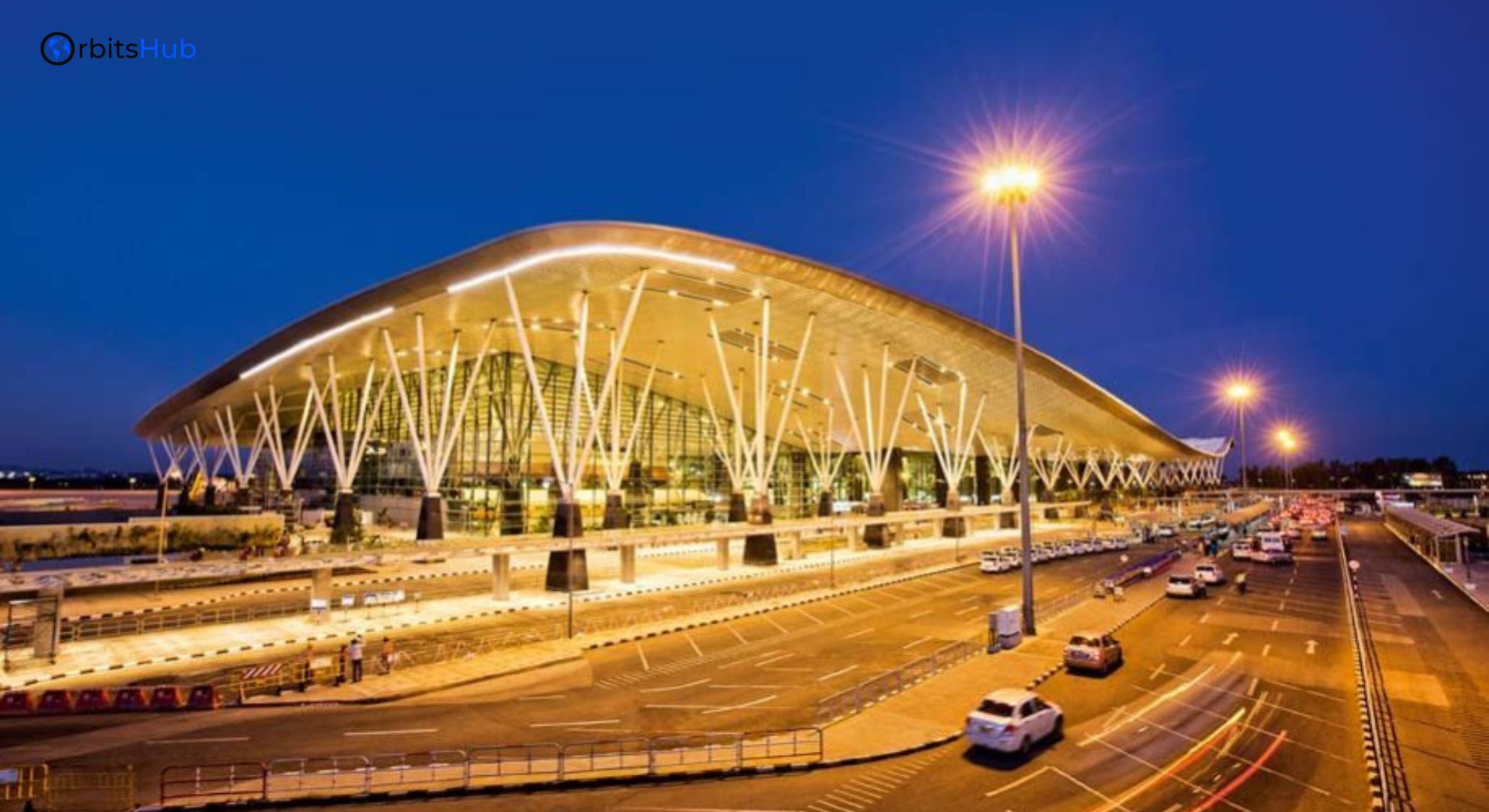
Air India, the prominent legacy carrier, recently announced its plans to transform Bengaluru’s Kempegowda International Airport into a key aviation hub in southern India. This initiative is a concerted effort by Air India and other entities of the renowned Tata Group, including Vistara and Air India Express, to enhance international connectivity, operational efficiency, and passenger experience at Bengaluru airport over the next five years.
A Strategic Alliance: Bengaluru Airport
The strategic alliance between Air India, Tata Group Airlines, and Bangalore International Airport Limited (BIAL) is set to strengthen Air India’s presence at Kempegowda International Airport. The partnership aims to develop Bengaluru as a premier aviation hub for southern India, boosting air travel connectivity to and from the country.
As part of this agreement, the Tata Group airlines will strengthen their existing flight network at the airport and establish a dedicated lounge for premium and frequent travellers on the domestic side. This move is expect to provide an elevated customer experience and efficient operations.
An Attractive Market
In the words of Campbell Wilson, Air India’s chief executive, Bengaluru is an attractive market as both an origin and destination point and a connecting hub. He was happy to strengthen the relationship with BIAL so that they could have a bigger footprint at the airport, connect more flights, and build an extensive Maintenance Repair and Overhaul (MRO) centre.
Investment in MRO Facility: Bengaluru Airport International
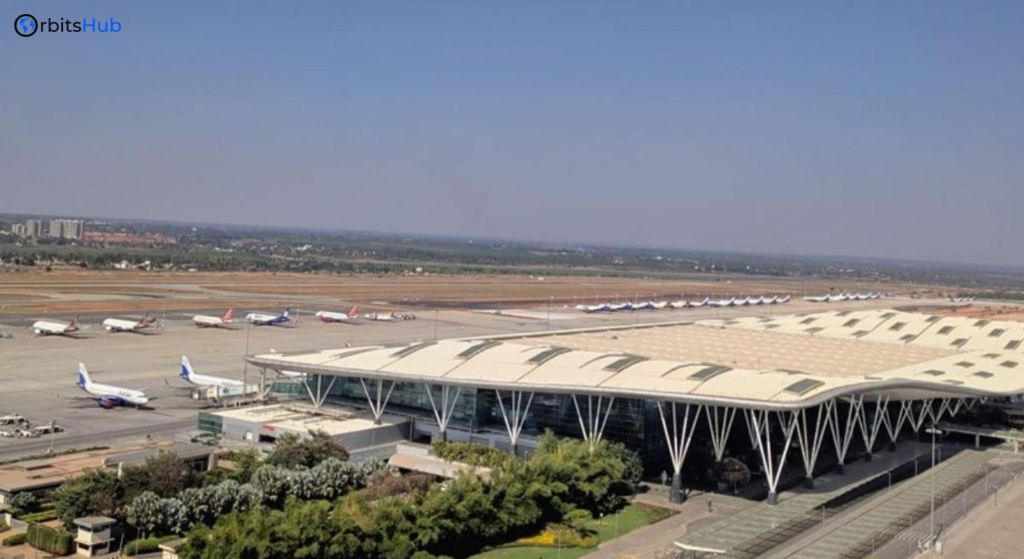
Air India and the Government of Karnataka have also signed an agreement (MoU) to set up complete Maintenance, Repair, and Overhaul (MRO) services at Bengaluru airport international. The establishment of MRO facilities represents a substantial investment worth Rs 1,300 crores.
This move is expect to create 1,200 new job opportunities, stimulating the MRO ecosystem in Karnataka. It aligns perfectly with the government’s vision of developing Indian airports as hubs, reflecting the commitment to enhancing the passenger experience.
Boosting International Connectivity
The strategic partnership between Air India and BIAL aligns perfectly with the Ministry of Civil Aviation’s vision of developing Indian airports as hubs. Over the next five years, this collaboration will capture a significant share of long-haul routes from Bengaluru Airport.
Half of the international outbound travellers from Bengaluru head to Europe, North America, Australia, and the Far East. Therefore, the alliance with Air India represents a substantial leap towards achieving this goal.
Current Market Scenario: Bengaluru Airport
Currently, the Air India group operates around 100 domestic flights per day from the airport, trailing the market leader IndiGo, which boasts 140 departures. However, with India’s fast growth in air traffic, the country can support at least one other international hub beyond Mumbai and Delhi.
Over the past few years, Bengaluru has emerged as a preferred airport for airlines launching new flights due to the constraints at Delhi and Mumbai airports.

The Future of Aviation in Bengaluru
Bengaluru’s Kempegowda International Airport is the busiest in southern India and the third-largest country. The recently inaugurated Terminal 2 can handle 25 million passengers a year, adding to Terminal 1’s annual capacity of 35-36 million passengers.
With the potential to handle another 20 million passengers annually in the second phase of Terminal 2 and land for a third terminal, Bengaluru Airport is well-position to become a central aviation hub.
The strategic partnership between Air India, Tata Group Airlines, and BIAL is a significant step towards transforming Bengaluru airport into a premier aviation hub in southern India. This initiative will enhance international connectivity and stimulate the MRO ecosystem, creating numerous job opportunities.
The future of aviation in Bengaluru looks promising. It has the potential to handle an increased volume of passengers and become a major hub for airlines launching new flights. Watching how this transformation unfolds over the next five years will be interesting.