
The Boeing 787 Dreamliner family, consisting of the 787-8, 787-9, and 787-10, has revolutionized the aviation industry with its cutting-edge technology and exceptional performance. Among these variants, the Boeing 787-9 is a remarkable aircraft that combines efficiency, range, and passenger comfort. In this article, we will delve into the unique features and advantages of the Boeing 787-9, exploring its design, capabilities, and why it has become a preferred choice for airlines worldwide.
The Evolution of the Boeing 787 Dreamliner
Three different models of the Boeing 787 Dreamliner family were offered: the 787-8, the 787-9, and the 787-3, which has since been retired. This family was designed to meet the requirements of a wide range of airlines. First came the 787-8 base model, then the stretched 787-9, and last came the shorter 787-3, designed specifically for the Japanese short-haul market.
Size Matters: Length and Passenger Capacity
One of the most apparent differences among the 787 variants is their length. The Boeing 787-9 measures 206 feet long, making it 20 feet longer than the 787-8. This additional length allows for increased passenger capacity, with the 787-9 accommodating 38 more passengers than its predecessor. Moreover, the extended fuselage of the 787-9 also provides space for additional cargo in the lower holds, enhancing the aircraft’s versatility.
Despite its increased length, the Boeing 787-9 maintains the same wingspan as the other variants. This consistency in the wingspan ensures that all 787 models can be classified under the same aircraft type, simplifying airport operations and logistics.
Weight Considerations: Maximum Takeoff and Landing Weight
The Boeing 787-9 boasts an impressive Maximum Takeoff Weight (MTOW) of 560,000 pounds, making it slightly heavier than the 787-8. This weight increase is primarily attributed to the extended fuselage and additional passenger capacity. To accommodate this increased weight, the structure of the 787-9 has been reinforced.
However, the Maximum Landing Weight (MLW) of the Boeing 787-9 is slightly lower than its takeoff weight, standing at 425,000 pounds. This difference accounts for the additional forces experienced during landing, ensuring safe and efficient operations. In case of an emergency landing or the need to land before reaching the planned destination, the 787-9, like its counterparts, can jettison fuel, enabling it to swiftly get the appropriate landing weight.
Performance and Range: Taking Flight to New Horizons
The Boeing 787-9 offers enhanced performance and range capabilities compared to the 787-8. With a range of approximately 8,786 miles, the 787-9 surpasses its predecessor by 322 miles. The 787-9’s superior range and its increased passenger capacity make it an ideal choice for long-haul flights.
In addition to its extended range, the 787-9 boasts improved fuel efficiency and advanced aerodynamics, enhancing its appeal for airlines seeking cost-effective operations. Its spacious cabin design and modern amenities elevate the passenger experience, ensuring comfort during extensive journeys across continents.
Comfort at its Core: Passenger Experience in the 787-9
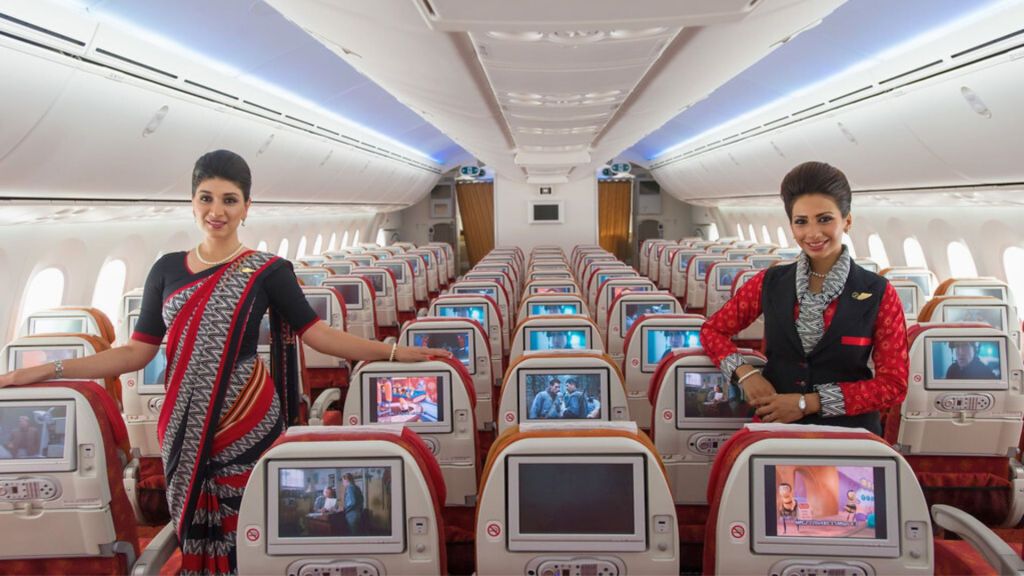
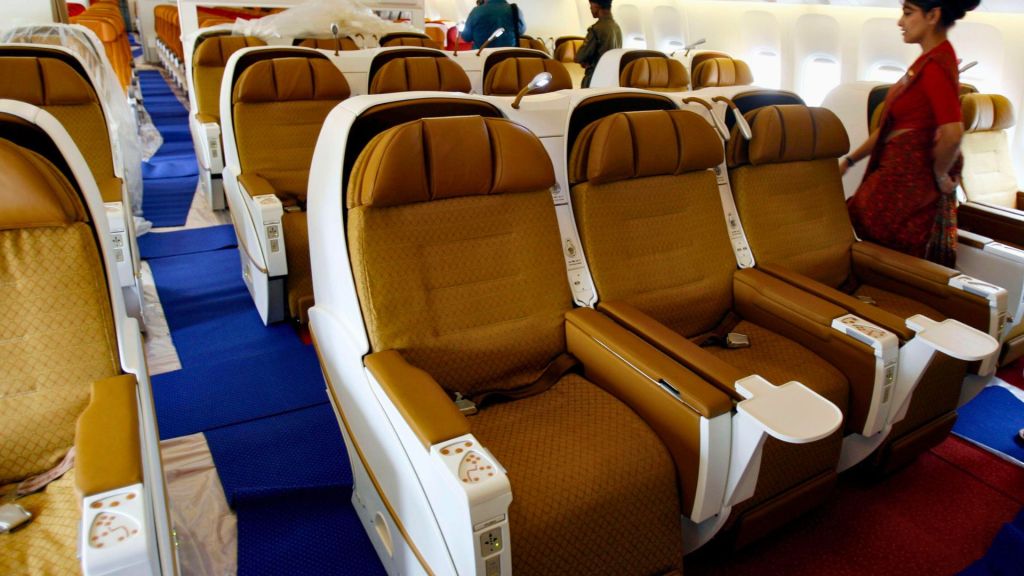
Passenger comfort is a paramount consideration in the Boeing 787-9 design. The spacious cabin provides a welcoming environment, allowing passengers to enjoy their journey comfortably. With the extended fuselage, the 787-9 offers even more legroom and seating options, ensuring a pleasant experience for passengers of all ages.
The Boeing 787 Dreamliner family is renowned for its large windows; the 787-9 is no exception. These oversized windows provide breathtaking views of the sky and the world below, allowing passengers to stay connected to the beauty outside their aircraft.
The advanced pressurization system of the Boeing 787-9 maintains a cabin environment that mimics the conditions on the ground. In the event of a pressurization system failure, the Alternate Ventilation System (AVS) ensures a continuous supply of fresh air to the cabin. The 787-9’s AVS, which employs the forward and aft outflow valves, offers improved efficiency compared to its predecessors.
Powering the Dream: Engine Options
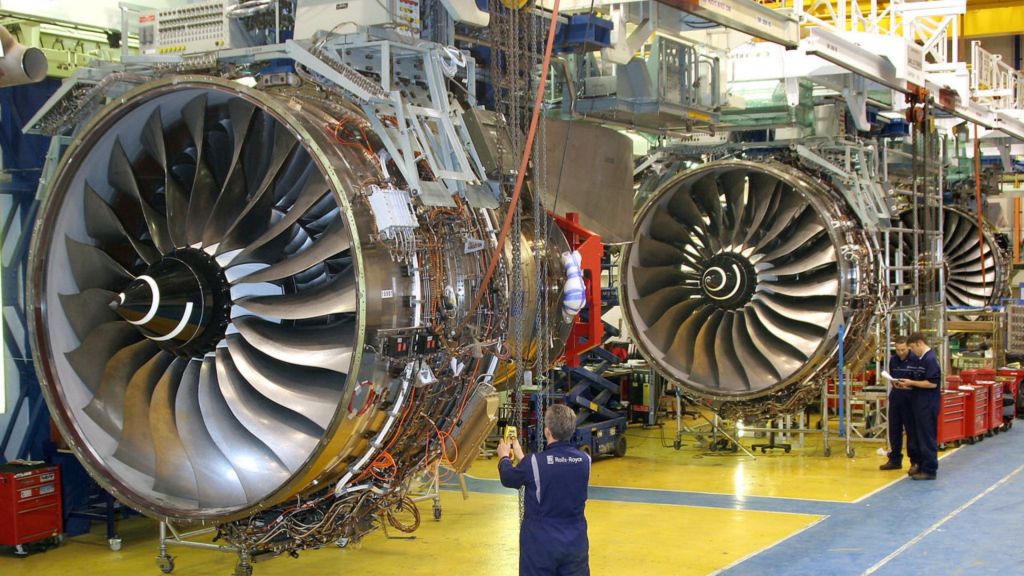
The Boeing 787-9 can be powered by two engine options: the Rolls-Royce Trent 1000 and the General Electric GEnx. Both engines are capable of delivering exceptional performance and efficiency. However, the Trent 1000 engines on the 787-9 are rated for higher thrust output, offering the aircraft an extended range compared to the 787-8.
A Pilot’s Perspective: Handling and Maneuverability
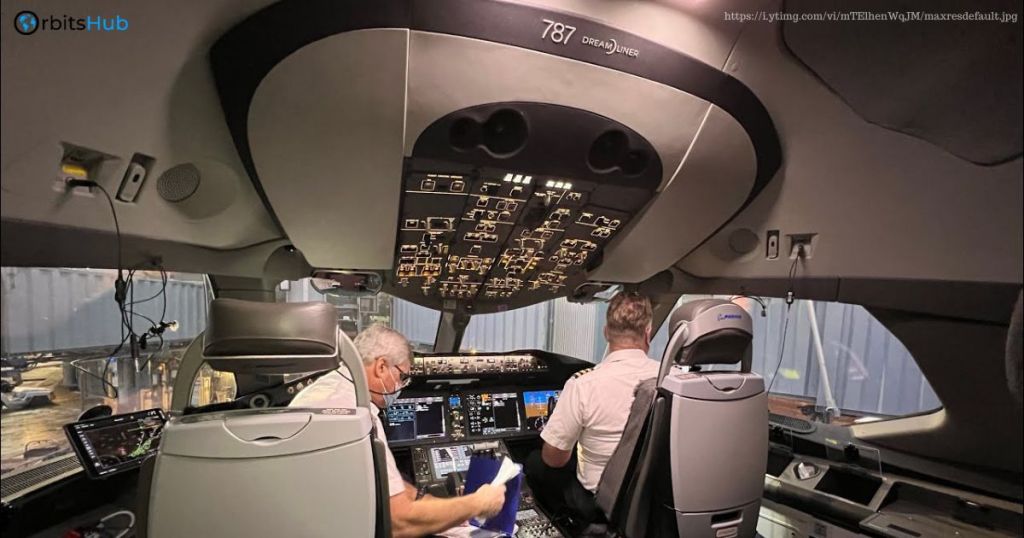
For pilots, the Boeing 787-9 presents a familiar and seamless transition from the other variants. With similar flight deck configurations and avionics systems, pilots can efficiently operate any 787 model without requiring extensive training. The minor differences, such as the extended length and increased wheel spacing of the 787-9, demand a heightened awareness during taxiing, especially in airports with tight taxiways. Nevertheless, these differences pose minimal challenges for experienced pilots, who adapt quickly to the unique characteristics of each variant.
Size and Space: Stretching the Dreamliner
A longer and broader variant of the 787-8, the Boeing 787-9, provides additional space for people and goods. This extra length translates into significant differences in overall aircraft dimensions.
- Length: The 787-9 is noticeably longer than its predecessor, allowing for more interior space. This extra length is primarily allocated to the passenger cabin, providing more legroom and amenities for travelers.
- Wingspan: The 787-8 and 787-9 share the same wingspan, ensuring similar aerodynamic efficiency. The focus on length differentiation allows for increased passenger capacity without compromising fuel efficiency.
- Cabin Configuration: Airlines have flexibility in cabin layout due to the extra space offered by the 787-9. This can result in wider seats, more spacious aisles, and premium seating options.
- Passenger Capacity: The most apparent difference lies in passenger capacity. The 787-9 can accommodate more passengers than the 787-8, making it a suitable choice for airlines operating high-demand routes.
Range and Routes: How Far Can Each Dreamliner Fly?
The range is a critical factor for airlines when selecting aircraft. The 787-9 boasts an extended range compared to the 787-8, enabling it to cover longer distances without refueling.
- Fuel Capacity: The 787-9 typically has a larger fuel capacity than the 787-8, allowing it to fly farther between destinations.
- Route Flexibility: Airlines can operate longer, nonstop flights with the 787-9, opening up new route possibilities and reducing passenger travel time.
- Market Reach: With its extended range, the 787-9 can serve destinations that are not viable for the 787-8, expanding an airline’s network.
- Operational Efficiency: The ability to fly longer distances without refueling can improve operational efficiency and reduce costs.
Fuel Efficiency: Which Dreamliner is Greener?
Both the 787-8 and 787-9 are renowned for their fuel efficiency, but there are subtle differences between the two models.
- Engine Technology: The choice of engine can impact fuel efficiency. While both models can be equipped with similar engines, there might be slight variations in fuel consumption.
- Aerodynamics: The aerodynamic design of the 787 family contributes significantly to fuel efficiency. While the 787-9 is longer, both models share the same wing design, optimizing airflow and reducing drag.
- Weight: The 787-9 is generally heavier due to its increased size—however, advanced materials and design help to offset this weight, maintaining a good fuel efficiency ratio.
- Operational Factors: Flight routes, load factors, and pilot techniques influence fuel consumption.
Cargo Capacity: More Than Just Passengers
While primarily designed for passenger transport, the 787-8 and 787-9 offer cargo-carrying capabilities. However, the 787-9 has a slight advantage in this area.
- Underfloor Cargo: Both models feature underfloor cargo compartments, but the 787-9’s larger size allows for slightly more cargo space.
- Main Deck Cargo: In some configurations, airlines can utilize the main deck for cargo, and the 787-9’s extra length provides additional potential for cargo loading.
- Cargo Revenue: Airlines can generate additional revenue by carrying cargo on passenger flights, and the 787-9’s increased capacity can contribute to this income stream.
- Market Flexibility: Carrying cargo can enhance an airline’s market flexibility, especially during fluctuating passenger demand.
Cost Comparison: Weighing the Price Tag
Acquiring an aircraft is a significant investment for any airline. The 787-9 typically comes with a higher price tag than the 787-8 due to its increased size and features.
- Acquisition Cost: The purchase price of a 787-9 is generally higher than that of a 787-8.
- Operating Costs: While the 787-9 offers advantages like increased range and passenger capacity, operating costs, including fuel, maintenance, and crew salaries, will also be higher.
- Revenue Generation: The 787-9’s potential for higher passenger and cargo revenue can help offset increased costs.
- Return on Investment: Airlines must carefully evaluate each model’s potential return on investment to make an informed decision.
The Legacy of the 787-3: A Short-Lived Dream
Although the Boeing 787-3 was initially part of the Dreamliner family, it never materialized as planned. Intended for the Japanese short-haul market, the 787-3 featured a smaller wingspan and the same length as the 787-8. However, due to delays in the 787-8 and 787-9 development, the 787-3 took a backseat and was eventually discontinued. Airlines that had placed orders for the 787-3 converted them to the 787-8, emphasizing the industry’s preference for the more significant variants.
Frequently Asked Questions
What are the differences between Boeing 787-9 and Boeing 787-8?
The main difference between the Boeing 787-9 and Boeing 787-8 is their size. The 787-9 is longer, accommodating more passengers and cargo. It also has a greater range than the 787-8.
What are the key features of the Boeing 787 Dreamliner?
The Boeing 787 Dreamliner is known for its fuel efficiency, advanced aerodynamics, and composite materials construction. It offers a quieter, more comfortable flying experience, oversized windows, and improved cabin air quality.
How many passengers can the Boeing 787-10 accommodate?
The Boeing 787-10 has a passenger capacity of approximately 330-340 passengers in a typical two-class configuration. It is the most significant variant of the 787 series.
What are the advantages of the Boeing 787 series?
The Boeing 787 series offers several benefits, including improved fuel efficiency, lower operating costs, reduced maintenance requirements, increased passenger comfort, and longer-range capabilities.
What is the range of the Boeing 787-9?
The Boeing 787-9 ranges from approximately 7,530 to 7,635 nautical miles (13,950 to 14,140 kilometers). It can fly long-haul routes, connecting distant cities with greater fuel efficiency.
How fuel-efficient is the Boeing 787?
The Boeing 787 is highly fuel-efficient compared to older aircraft models. It incorporates advanced technologies, such as lighter composite materials, improved aerodynamics, and more efficient engines, resulting in significant fuel savings.
Can the Boeing 787 fly long-haul routes?
Yes, the Boeing 787 is designed for long-haul flights. It’s fuel-efficient engines and lightweight construction enable it to cover long distances, connecting previously inaccessible cities.
What are the differences between the Boeing 787-8 and Boeing 787-10?
The Boeing 787-8 and Boeing 787-10 differ in size and capacity. The 787-10 is more prolonged and can accommodate more passengers than the 787-8. The 787-10 also has a higher maximum takeoff weight and increased range.
What are the unique features of the Boeing 787 Dreamliner?
The Boeing 787 Dreamliner has several unique features, including large windows that dim electronically, spacious cabins with higher ceilings, improved air quality, quieter engines, and enhanced passenger comfort through mood lighting and better humidity control.
How has the Boeing 787 revolutionized the aviation industry?
The Boeing 787 has revolutionized the aviation industry by introducing advanced technologies and materials, significantly improving fuel efficiency, reducing emissions, enhancing passenger comfort, and enabling airlines to open new long-haul routes profitably. It has set new standards for sustainability and passenger experience.
The Boeing 787-9: A Marvel in the Sky
The Boeing 787-9 is a testament to the continuous pursuit of innovation and excellence in aviation. Its extended length, increased passenger capacity, and enhanced performance make it an ideal choice for airlines seeking a versatile and efficient aircraft. Passengers can revel in the comfort and exceptional flying experience the 787-9 provides, while pilots appreciate its seamless handling and maneuverability. As the Dreamliner family continues to soar, the Boeing 787-9 stands tall, embodying the spirit of progress and redefining the future of air travel.