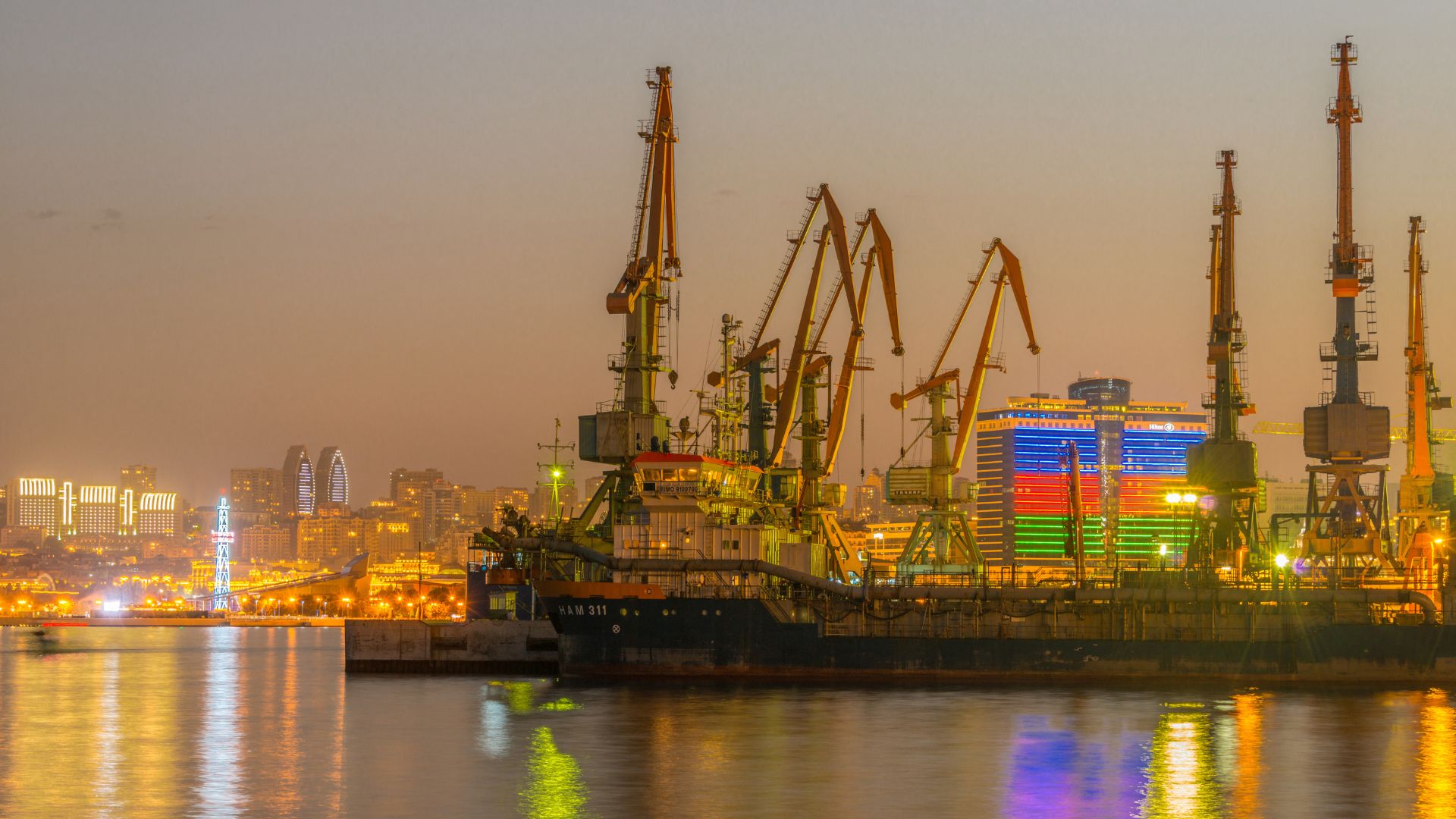
Baku Port, Azerbaijan
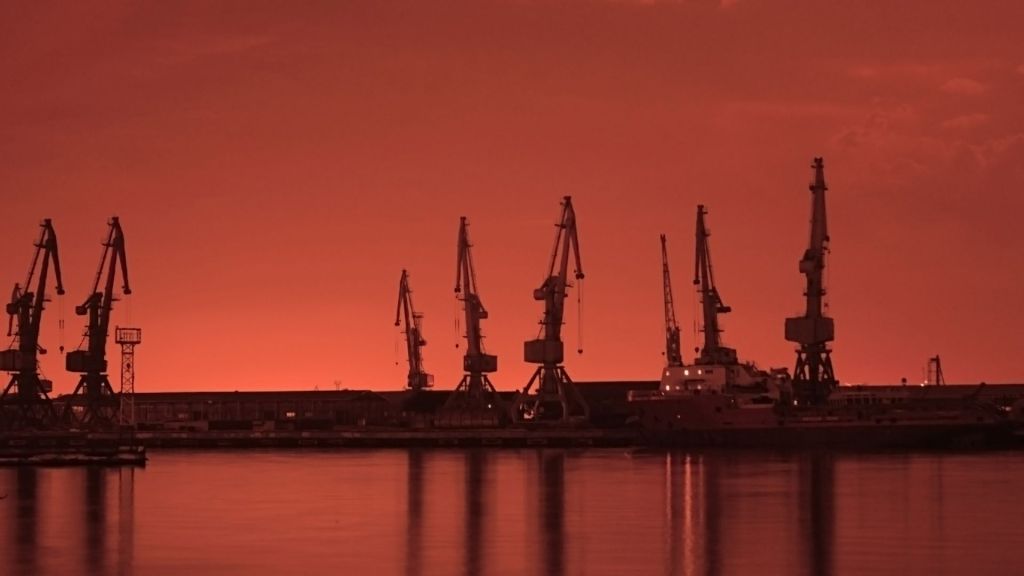
In the middle of the Caspian Sea and the Caucasus Mountains stands Baku, the capital and biggest city of Azerbaijan. Baku is the country’s cultural, scientific, and industrial center; it is located on the Absheron Peninsula’s southern shore. The Port of Baku, located 40 kilometers from the city, is a crucial transshipment point for petroleum products, oil, and gas-related industries. With a natural harbor, it handles general cargo, timber, and offers passenger services to the eastern and western shores of the Caspian Sea.
With thirteen berths spread out over four hundred acres, the Port of Baku is quite large. A hundred thousand twenty-foot equivalent units (TEUs) are within its capabilities, and the overall handling capacity is fifteen million tonnes. The port also provides 56,000 square meters of open storage and 10,000 square meters of warehouse space, ensuring efficient operations and facilitating international trade.
Aktau Port, Kazakhstan
Situated on Kazakhstan’s eastern shore of the Caspian Sea, Aktau Port is well situated at the crossroads of numerous international transit channels. Neighboring countries like Azerbaijan, Iran, Turkey, Russia, and Turkmenistan can benefit from the port’s strategic location, which allows them to carry a variety of dry cargo, crude oil, and petroleum products. As the only ice-free port in Kazakhstan, Aktau Port plays a crucial role in cargo reshipment and handles commodities like sawn timber, oil products, metals, and bulk products.
The port has 11 berths, with four designated exclusively for oil products. With an annual cargo handling capacity of 17.7 million tonnes, Aktau Port contributes significantly to the region’s economic growth. It also provides a 2000 square meter warehouse area and 79,700 square meters of outdoor warehouse space, ensuring efficient storage and handling of goods.
Astrakhan Port, Russia
Astrakhan Port, on the Volga-Caspian Canal, is an important maritime center where the Volga and Caspian rivers meet. It is located near the mouth of the Volga River. The Central and Perevalochnyiis sections are the two divisions of the port that deal with cargo. Additionally, it has many terminals along the riverbank, an oil terminal at IIinka, and the port of Olya.
Astrakhan Port deals with a diverse range of cargo, including metals and metal products, fertilizers, timber, construction materials, containers, petroleum products, and passengers. Annually, the port handles over 2 million tonnes of cargo, 3 million tonnes of oil shipments, and accommodates 1.2 million passengers. With 26 docks and a 3,604-meter long waterfront area, Astrakhan Port ensures efficient operations and contributes to the region’s economic development.
Turkmenbashi Port, Turkmenistan
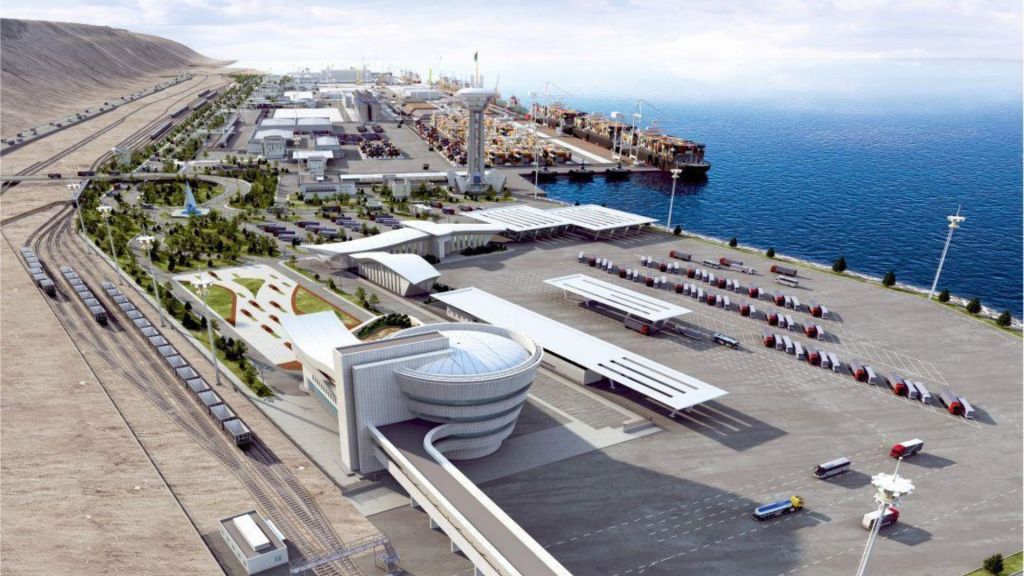
Whether you’re a tourist or a freighter, Turkmenbashi Port is where you want to be. It is a sea gate that connects Central Asia and Europe through water, roads, and trains; it is situated on the eastern coast of the Caspian Sea. Throughout the year, ships dock at the port, which is vital for the transportation and transit of crude oil from countries in Central Asia to other countries.
Established in 1896, the port has undergone several upgrades and expansions, with the recent project completed in 2018. It features ferry, passenger, and cargo terminals, with future plans to construct a shipyard. With a quay length of 1800 meters, Turkmenbashi Port can handle 17 cargo and passenger ships simultaneously. The port also comprises five terminals specializing in general cargo, bulk cargo, containerized cargo, and petroleum products.
Bandar Anzali Port, Iran
Bandar Anzali Port is located on the northern coast of Iran, nestled on the shores of the Caspian Sea. Serving as northern Iran’s main port facility, it plays a important role in the exchange of goods with neighboring countries such as Azerbaijan, Turkmenistan, and Russia. The port covers an area of 68.2 acres and features ten jetties, each with a capacity of 5000 tonnes.
Bandar Anzali Port facilitates the handling of various cargo types, including breakbulk, dry bulk, liquid bulk, roll-on/roll-off (RORO), and container cargo. It annually handles approximately 4 million tonnes of cargo and accommodates 1,274 vessels. This port is an important commerce hub for the region because it is a key gateway for shipments departing from Russia, Azerbaijan, and Turkmenistan.
Port of Amirabad, Iran
Amirabad Port, located on the Caspian Sea coast in Iran’s Mazandaran province, plays a significant role in the local and national economy. Situated approximately 34 kilometers northeast of Sari, the port’s Amirabad Special Economic Zone provides a competitive advantage for trade and economic activities. The port is a multipurpose facility capable of handling containers, roll-on/roll-off (RORO) cargo, dry bulk cargo, and oil.
Covering an area of 1060 hectares, the port features a cargo warehouse spanning 6.5 hectares and an additional storage area of 200 hectares. With an annual cargo handling capacity of 7.5 million tonnes, the port ensures efficient trade operations and contributes to the region’s economic growth. It comprises 15 berths spanning 2600 meters, accommodating vessels with a maximum draft of 6 meters.
Makhachkala Port, Russia
Makhachkala Port, located on the southwestern coast of the Caspian Sea in the Dagestan Republic, serves as the socio-economic, educational, and scientific center of the North Caucasus. This port is the only ice-free Russian facility on the Caspian Sea, making it a crucial transportation hub. It handles transit cargo from Western Europe, Central Asia, India, and Gulf regions, contributing to the region’s economic development.
Makhachkala Port consists of two harbors, one for dry cargo and a fishing port, both protected by breakwaters. The port handles significant quantities of oil products, mineral construction cargo, general cargo, timber, and ore concentrate annually. With an annual throughput of more than 80,000 metric tons of fish and fish byproducts (such as fish meal), it is highly significant to the fishing industry.
Noshahr/Nowshahr Port, Iran
Noshahr Port, also known as Bandar-e Noshahr, is a multipurpose port located on the southern coast of the Caspian Sea. Situated in Iran’s Mazandaran province, Noshahr serves as the capital of the county and district. The port facilitates the import of chemicals, metals, spare parts, steel, oil, and construction materials while exporting fruits, vegetables, dairy products, nuts, and minerals.
Noshahr Port is an important hub for regional trade and economic activity, capable of handling about 1.5 million tonnes of cargo per year. It can accommodate vessels with a maximum length overall (LOA) of 150 meters, a draft of 5 meters, and a weight of around 5000 deadweight tons (DWT).
Port of Kuryk, Kazakhstan

The Mangistau region of Kazakhstan is home to Kuryk Port, which is strategically placed on the Caspian Sea coast. It has become an important transit point for crude oil being exported from the Kashagan oil fields to Baku, Azerbaijan. It serves as one of the quickest multimodal routes for shipping cargo and has improved trade contacts between Kazakhstan and the Caspian Sea bordering nations. Kuryk Port also handles shipments of diesel, mineral fertilizers, and Barite from the Karagandy region in central Kazakhstan.
The port comprises a finger pier with three berths and a wharf dedicated to handling roll-on/roll-off (RORO) ferries. Additionally, it features a general cargo terminal. In 2017, the port transshipped 1.5 million tonnes of grain, petroleum products, fertilizers, and chemicals, showcasing its significant role in regional trade.
Neka Port, Iran
Neka Port, located in Iran’s Mazandaran Province, primarily handles oil shipments. Crude oil from Central Asian nations is transported and transshipped to other countries via the Neka Oil Terminal, which is located on the southern shore of the Caspian Sea. With five jetties, the port receives oil products from neighboring countries and accommodates general cargo vessels with a maximum LOA of 180 meters.
The development of the Behshahr Operational Zone, also known as Neka, aims to receive, store, process, and transport crude oil from the Caspian Sea marginal states under the SWAP plan. Neka Port, with its strategic position, contributes significantly to the transportation and transit of oil, bolstering regional trade and economic growth.
The ten major Caspian Sea ports discussed in this comprehensive guide play a crucial role in facilitating trade, supporting the energy industry, and driving economic growth in their respective countries. From the bustling Port of Baku in Azerbaijan to the strategic Turkmenbashi Port in Turkmenistan, each port serves as a vital link between landlocked nations and global markets. With their state-of-the-art infrastructure and handling capabilities, these ports ensure the efficient transportation of goods, contribute to regional development, and enhance international trade relations.