History and Background
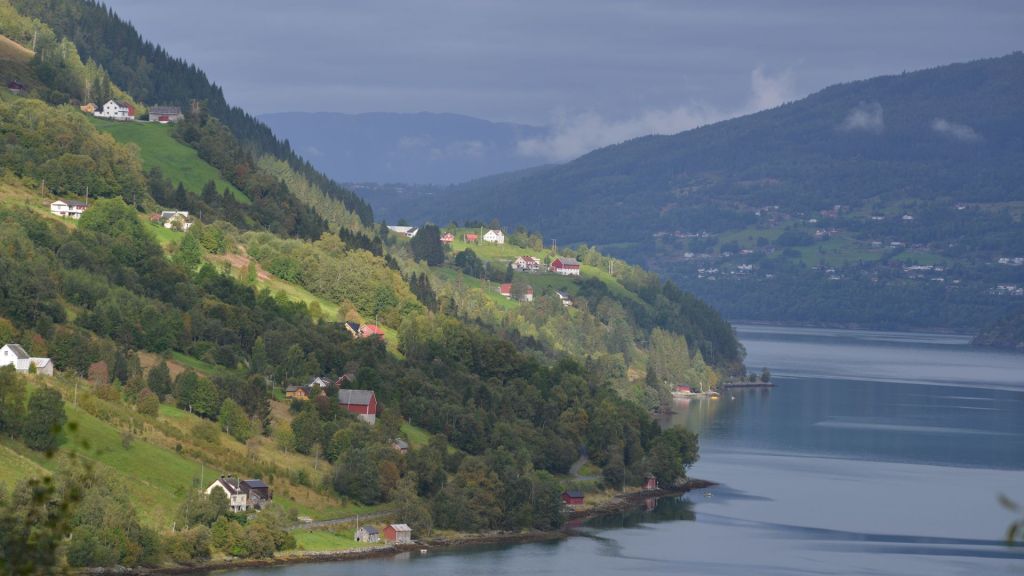
Archaeological evidence shows Nordfjord has been inhabited since the Stone Age, with permanent settlements dating back over 4,000 years. Viking chieftains resided in the area in medieval times, controlling the abundant natural resources. Many historic churches and homesteads remain from this period. In later centuries, fishing, agriculture, mining, fur trapping, and timber supported the local economy. Hydroelectric development in the 1900s brought improved infrastructure while preserving the traditional rural culture. Recent decades have seen growing tourism, especially around cruising the famous Geirangerfjord and visiting Jostedalsbreen National Park. The old farms, fishing villages, and small ports juxtaposed against the backdrop of immense glaciers highlight a region shaped by the interplay between humankind and nature over millennia.
Economy and Industry
The economy of Nordfjord has historically revolved around fishing, agriculture, forestry, and related manufacturing. Commercial fishing of salmon and cod remains a major industry around towns like Måløy. However, sectors like construction, services, and tourism employ the most people currently. Many small businesses are linked to hospitality, attracting visitors to the region’s stunning scenery and outdoor recreation opportunities. Jostedalsbreen is a huge drawcard, as are the quaint villages and vibrant cultural experiences showcasing local traditions. Norsk Fjordsenteret, Norway’s national fjord center, provides education on the geology and ecosystems of western Norwegian fjords. Nordfjord also contains valuable mineral deposits and natural resources like hydroelectric power that support additional industries. Farming focuses on livestock while small organic produce operations supply regional specialty foods. Moving forward, striking a balance between industry, sustainability, and preserving Nordfjord’s extraordinary natural and cultural heritage remains a priority.
Attractions and Sights
Nordfjord is renowned for its majestic fjords carved out by ancient glaciers, including the UNESCO World Heritage site Geirangerfjord. Sognefjord stretches over 100 miles inland from Nordfjord, the second longest and deepest fjord globally. These U-shaped valleys filled with deep blue water reflect the towering mountains, snowcapped year-round and fringed with waterfalls. The Briksdalsbreen arm of Jostedalsbreen glacier allows visitors to walk directly up to the blue ice. Loen Skylift carries sightseers to the mountaintop vista of Hoven for panoramic views over Nordfjord. The isolation and harsh climate have preserved centuries-old farms and fishing villages like Solvorn, emerging destinations for cultural tourism. Abandoned stone churches and historic Viking sites suggest Nordfjord’s rich history while art galleries and cosmopolitan cafes showcase contemporary Norwegian culture blended seamlessly with the past.
Activities and Recreation
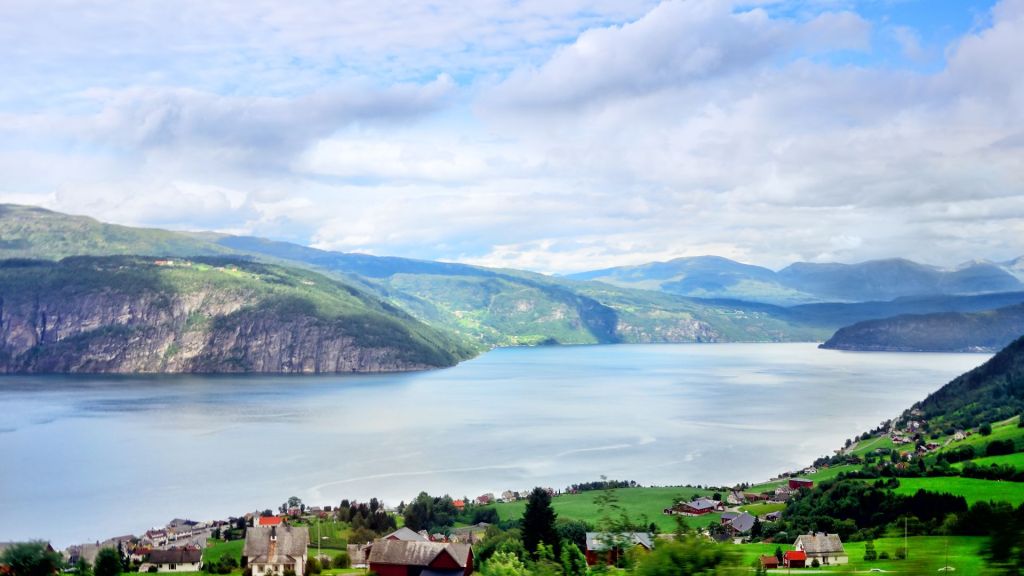
Nordfjord’s spectacular terrain makes it a paradise for fans of the outdoors and adventure sports. Hundreds of miles of trails allow hiking and backcountry camping during summer. Experienced mountaineers can summit peaks like Hornindalsrokken, one of Norway’s “seven sisters.” Winter transforms the landscape for ski touring, dog sledding, and ice climbing. Glacial lakes and rivers provide opportunities for kayaking and rafting. Many tour operators lead sightseeing cruises to experience Nordfjord from the water. Sports fishing is popular with salmon running upstream during summer. Annual competitions include the Briksdalsmaraton cross-country marathon and the Nordfjord Open surfing event. Cycling routes crisscross the valleys and fjord-side roads, linked to Norway’s extensive national cycling network. Whether boating, fishing, skiing, sledding, climbing, or simply appreciating the views, Nordfjord promises exhilarating adventures against the backdrop of raw natural beauty.
Cuisine and Food Culture
Nordfjord’s remote location and challenging environment have cultivated a resilient food culture, relying on hardy grains, root vegetables, berries, game, and seafood at hand. Emmental cheese-making traditions endure around farms in Stryn and Loen. Much contemporary Nordfjord cuisine showcases local ingredients like mountain lamb, reindeer, elk, shellfish, salmon, and produce items foraged wild in forests and meadows during summer months. Smoked and cured meats and fish preserve ancient techniques, often served alongside lefse flatbread or komle potato dumplings. Desserts include sweet cloudberries or tart lingonberries seasoned with regional aquavit spirits, along with krumkake curled waffle cookies.
Microbreweries produce craft beer while small vineyards around Loen grow cold-tolerant hybrid grapes for winemaking. Nordfjord restaurants fuse international influences with this local fare, from cozy cafes in Loen to Harbor Brygge’s relaxed fine dining overlooking Måløy port. Flam Train Station offers dining aboard while watching Nordfjord’s scenery unfold. Food and travel festivals like Ålesund Seafood Festival or the Nordfjord Apple Festival celebrate the region’s flavors. Visitors can taste Nordfjord’s food culture through culinary classes focused on traditional dishes, farm tours and meals, food museums, or guided foraging walks sampling wild ingredients.
Festivals and Events
Throughout the year, Nordfjord hosts lively festivals and cultural events ranging from concerts to sporting competitions. In February the Rallarvegsløpet features a marathon, half marathon, and relay race along the historic Rallar road. Music fills the summer air during the Stryn Music Festival and Olden Festival showcasing classical melodies and traditional folk songs. Customs passed down generations are kept alive through celebrations like the Fjord Horse Festival or fall’sharvest sup and barley bread feast. Artisans gather to demonstrate traditional handicrafts during Handverksdagene while the Fjord Open golf tournament welcomes recreational and professional players to challenge Nordfjord’s dramatic lakeside courses.
As the first dusting of snow arrives, the Skåla Opp hill climb runners scale the formidable Mount Skåla. The vibrant crowds and festive atmosphere in Nordfjord’s town centers during events like the Christmas Market, Constitution Day parades, or New Year’s fireworks underscore the hospitality and pride shared by these tight-knit communities. Whether honoring history, showcasing local talent, or building camaraderie, Nordfjord’s festivals strengthen cultural connections through universal languages of sport, food, art, and celebration.
People and Culture
The approximately 30,000 residents of Nordfjord descend mainly from Norse and Sámi ancestries that have inhabited this region for millennia. Historically, small fishing villages and family farms prevailed in the valleys with their own dialects, traditions, food specialties, and vibrant folk arts. Vestland culture emphasizes resourcefulness, resilience, collectivism and hospitality — traits molded by the geography and climate. Contemporary Nordfjord blends long-standing customs with modern-day life.
Primary industries and small businesses still dominate local economies. However, improved infrastructure, technology, and youth increasingly traveling abroad before returning home facilitate cultural exchange. Nordfjord maintains deep pride in regional identity, conveying heritage through handcrafts production, cuisine specialties, celebrations, and storytelling. Yet the communities also eagerly welcome outsiders to share their beloved land and spirits. This energizing fusion of new with old and local with global establishes Nordfjord as a rising destination for experiential travel. While strong historical roots prevail, Nordfjord’s people continue progressing as key players in Norway’s future while serving as vigilant stewards of enduring cultural treasures.
Transportation and Accessibility
Nordfjord’s main transport hub lies in the town of Måløy, home to an airport with flights connecting west Norway. Express bus and boat routes also link Nordfjord to Oslo and Bergen. However, exploring the region and traveling between villages relies heavily on private vehicles, bicycles, or sightseeing cruises. The fjord-side E39 highway stretches over 100 miles through Nordfjord while smaller mountain roads wind over passes and around valleys, offering spectacular views but prone to closures due to weather.
Fjord Tours and ferry companies like Fjord1 provide seasonal tours to attractions like Jostedalsbreen and sightseeing along the fjords. The Flam Railway, ranked one of the world’s steepest and most beautiful train journeys, links Nordfjord to the Sognefjord area. Local buses offer limited connections between Nordfjord’s towns and trailheads but often require coordinating further travel via shared taxis that must be pre-booked. Bike rentals give independent mobility for cyclists while heliskiing and boat charters access remote glaciers and peaks. Navigation remains challenging with patches of cellular coverage, reinforcing Nordfjord’s tranquil pace. Transportation coordination and self-reliance skills allow rewarding passage deep into wild terrain where roads eventually narrow into the walking trails threading Nordfjord’s nooks and crannies.
Why Visit Nordfjord?

Shaped by ice and sea, Nordfjord presents some of Norway’s most awe-inspiring vistas where tremendous glaciers spill down to meet slender fjords framed by imposing summits. Yet matched with this timeless grandeur lies Nordfjord’s human fabric — generations-old villages and enduring traditions that welcome visitors as honored guests. Whether appreciating local arts, savoring seafood shared over fireside conversations, or absorbing sagas and folklore, Nordfjord offers immersion into Norwegian heritage thriving amid the staggering natural backdrop. Hiking trails from forest to tundra unlock scenes unchanged over centuries while modern adventurers employ ancestral skills like foraging and preserved cooking to thrive here. An easygoing pace prevails, the daylight hours filled with boating, fishing, farming, celebration and song before retreating to cozy lodges. Free from city noise and artificial light, Nordfjord’s tranquility restores the soul while its roaring falls, fjord-side pastures and flower-strewn meadows reward the senses. At once timeless yet forward-focused, the gentle wilderness spirit ingrained in Nordfjord makes this cherished destination Norway’s rural heart and soul.