Dry Docks Explained: The Backbone of Ship Maintenance
The maritime industry is a massive, complex network that relies on ships transporting goods across the world’s oceans. These ships, the lifeblood of global trade, require regular maintenance to ensure they remain operational. One of the most critical elements of this maintenance is the dry dock. Dry docks are vital spaces where ships are taken out of the water to undergo necessary repairs, maintenance, and inspections. Without dry docks, the maritime world would grind to a halt, as ships would not be able to receive the care they need to stay afloat, quite literally.
What Is a Dry Dock?
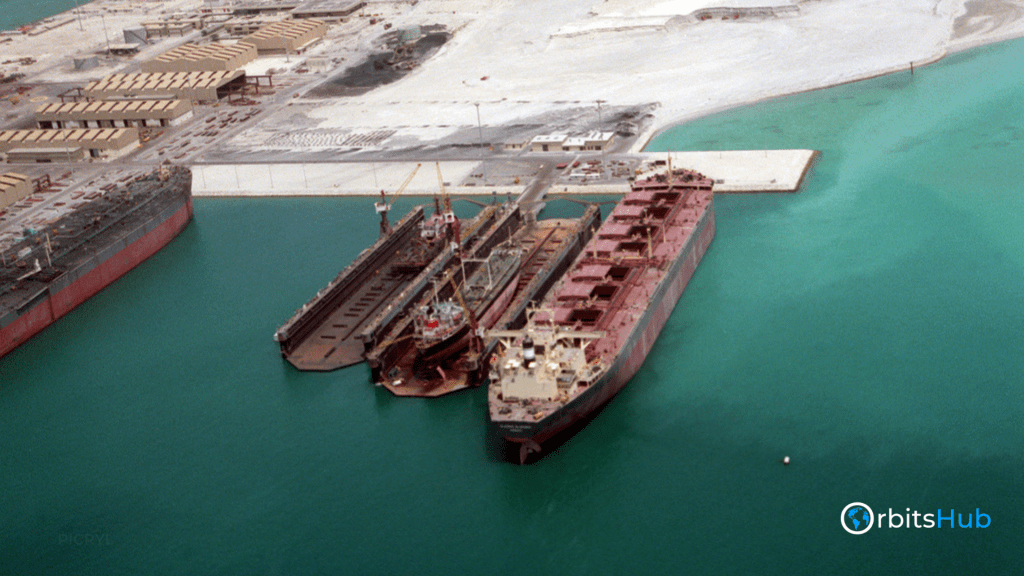
A dry dock is a special kind of building that ships use to be maintained, fixed, and built. It is a big room that can’t hold water. It can be filled with water to let a ship float in, and then the water can be drained away, leaving the ship on a dry base. Once the water is drained out, the ship is exposed to the air, making it possible to access the hull and other submerged parts for necessary repairs.
Dry docks come in different sizes, from smaller facilities that accommodate smaller vessels to massive ones capable of handling large cruise ships or oil tankers. The technology behind dry docks has evolved significantly over the years, with modern dry docks featuring advanced systems that make the maintenance process more efficient and less time-consuming.
The Process: How Do Dry Docks Work?
The process of using a dry dock may seem complex, but it follows a straightforward step-by-step routine that ensures the ship gets the maintenance it needs. Let’s break it down:
- Preparation: Before a ship enters the dry dock, the crew prepares the vessel. This includes making sure the ship is free from any cargo and ensuring the necessary tools and equipment are available for repairs.
- Float-In: The ship is floated into the dry dock. The dry dock is initially filled with water, which allows the ship to float into position. This is the first step in preparing the vessel for maintenance.
- Draining: Once the ship is in position, the water in the dry dock is drained. This is done by pumping the water out of the dock using powerful pumps. As the water level drops, the ship gradually sinks and rests on the dry dock’s platform.
- Maintenance and Repairs: Once the ship is securely sitting in the dry dock, maintenance can begin. Technicians can inspect the ship’s hull, rudder, propellers, and other underwater components for any damage or signs of wear and tear. This is also the time for painting, rust removal, and other necessary tasks to ensure the ship’s performance remains optimal.
- Refloating: After the maintenance is complete, the dry dock is flooded again to allow the ship to float out. The ship is then ready to return to service, fully repaired and maintained.
Importance of Dry Docks in the Shipping Industry
Dry docks are important for keeping ships safe, efficient, and long-lasting. They aren’t just for fixing ships. Let’s take a closer look at why dry docks are so important:
1. Preventive Maintenance
Dry docks allow for regular, scheduled maintenance to take place, preventing smaller issues from escalating into major problems. For example, a ship’s deck is always in contact with the rough sea, which can lead to corrosion over time. These problems will be found early and fixed before they do much damage if you do regular upkeep.
2. Safety and Compliance
Ships must meet certain safety and environmental standards to operate. Dry docks provide a controlled environment where these regulations can be adhered to, ensuring the ship is up to code. This includes checks on the ship’s structural integrity, safety equipment, and compliance with environmental regulations, such as those relating to emissions and waste disposal.
3. Extended Lifespan of Vessels
Dry docks help extend the lifespan of vessels by regularly maintaining and repairing ships. Ships are large, expensive assets, and keeping them in good condition is crucial for owners and operators. Routine dry-docking ensures that ships remain in optimal condition, ultimately saving money in the long term by preventing costly repairs or replacements.
4. Efficient Operations
For shipping companies, time is money. Dry docks help streamline the maintenance process, reducing downtime and increasing the efficiency of fleet operations. With modern technology, many dry docks can service a ship in a matter of days, allowing shipping companies to get back to business faster.
5. Technology and Innovation in Dry Docks
The dry docking industry has also embraced innovation to improve the maintenance process. For example, automated systems now allow for faster draining and reflooding of dry docks. Additionally, advanced sonar technology can be used to inspect the ship’s hull while it is still in the dock, reducing the need for manual inspection and improving accuracy.
The Stats Behind Dry Docks
The vast number of vessels serviced every year reflects the importance of dry docks. The International Maritime Organization (IMO) says that there are more than 50,000 commercial ships in the world. All of these ships require regular repair, and only dry docks can do the repair. On average, a vessel requires dry-docking once every 2 to 5 years, depending on its size, age, and the type of operations it undertakes.
As the need for trade keeps growing around the world, so does the need for dry docks. About USD 10.4 billion was spent on ship repairs around the world in 2021. Dry-docking services made up a big part of this budget. This reflects the growing need for specialized facilities capable of maintaining and repairing the world’s fleet of ships.
Types of Dry Docks
There are several types of dry docks, each designed for specific uses. Understanding the different types of dry docks helps to appreciate how they serve the various needs of the maritime industry:
1. Graving Docks
Graving dry docks are the most common type used for ship maintenance. These are large, rectangular basins built into the ground, and workers float ships into them for repairs. These docks are often permanent fixtures in shipyards and can accommodate large vessels.
2. Floating Docks
Floating dry docks are massive structures that float on water. These Floating docks lift ships out of the water for maintenance. Unlike graving docks, they are mobile and can move to different locations as needed. This mobility makes floating docks ideal for remote locations or areas with limited space.
3. Synchrolift Docks
Synchrolift dry docks use a synchronized lifting platform to lift ships out of the water. These docks commonly serve smaller vessels and often appear in shipyards with limited space. Using ropes and pulleys, workers raise and lower the platform. This allows them to lift ships without using water.
Challenges Faced by Dry Docks

While dry docks play an essential role in ship maintenance, they are not without their challenges. One of the most significant challenges is the cost. Building and maintaining a dry dock facility requires substantial investment, and the cost can be a barrier for smaller shipyards.
Another challenge is the environmental impact of dry-docking activities. The process of draining water from a dry dock can release pollutants into the surrounding environment. However, better technology and tighter rules have helped lessen these effects, making dry docks more environmentally friendly.
Dry Docks and the Future of Shipping
The future of dry docks looks bright, with continued innovation and improvements in technology. The rise of digitalization in the maritime industry means that dry docks are becoming smarter, with sensors and real-time data tracking to improve efficiency and safety.
The need for dry docks will only grow as the shipping business around the world continues to expand. Dry docks will continue to be an important part of ship maintenance and repair as long as new ships come into service every year. This will keep ships sailing safely and quickly across the world’s oceans.
Frequently Asked Questions
1. How often do ships need to be dry-docked?
Most ships require dry-docking every 2 to 5 years, depending on their size, age, and the type of work they do.
2. Are dry docks environmentally friendly?
Modern dry docks use advanced technology to minimize environmental impacts, but like all industries, they face challenges in reducing pollution and waste.