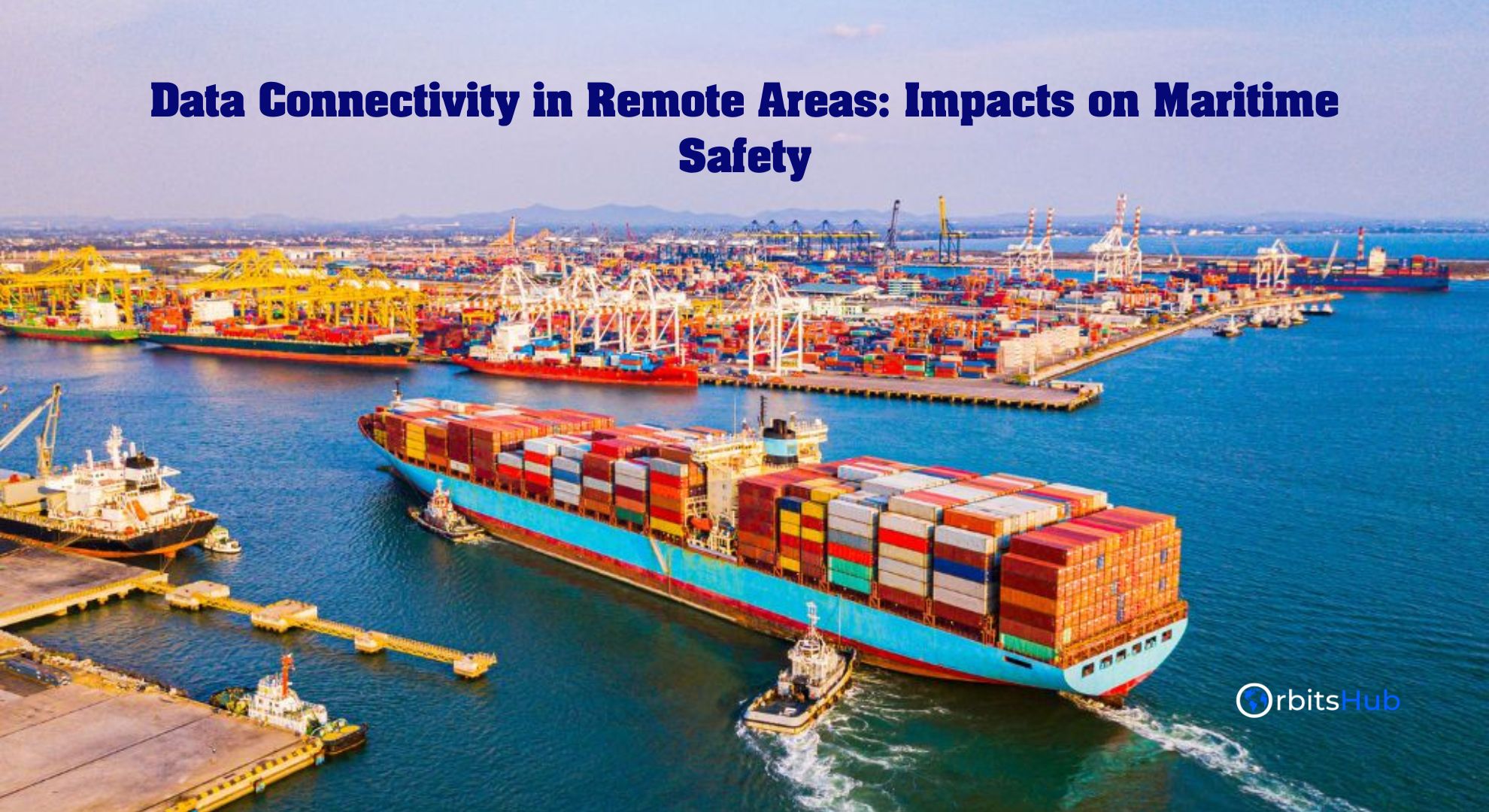
The vast expanse of the oceans presents a unique set of challenges for the maritime industry. Unlike land-based transportation, where communication infrastructure is readily available, ships venturing into remote areas often find themselves disconnected from reliable data connectivity. This lack of connectivity can significantly impact maritime safety, posing risks to both crew and vessels. However, advancements in communication technologies are rapidly changing the landscape for maritime operations in remote areas. Data connectivity solutions like satellite communication are bridging the gap, providing a vital lifeline for enhanced safety at sea.
Positive Impacts of Data Connectivity on Maritime Safety
Data connectivity in remote areas offers a multitude of benefits for maritime safety. Let’s delve into some of the most significant:
Improved Communication and Distress Signalling
Reliable data connectivity ensures that vessels can stay in touch with onshore authorities and other ships, regardless of location. This enables smoother coordination, efficient route planning, and timely exchange of critical information.
Data connectivity plays a crucial role in emergency situations. It allows crews to send distress signals promptly, accurately pinpointing their location and the nature of the distress. This can significantly improve response times and expedite rescue efforts, potentially saving lives.
Enhanced Weather Monitoring and Route Optimization

Access to real-time weather data is paramount for maritime safety. Data connectivity allows ships to receive weather forecasts and updates, enabling crews to plan routes that avoid hazardous weather conditions like storms, cyclones, and dense fog. Adjusting routes for calmer seas can reduce the likelihood of accidents and increase fuel efficiency.
Access to Maritime Security Information
Data connectivity allows ships to receive updates on maritime security threats, such as piracy or hostile activity in specific regions. This awareness enables crews to take necessary precautions, adjust routes if needed, and promptly report suspicious activity to the authorities.
Improved Search and Rescue Operations
Search and rescue operations at sea are often complex and time-sensitive. Data connectivity facilitates sharing of vital information, such as the location of missing vessels, weather conditions in the search area, and real-time updates on rescue efforts. This improves coordination between search and rescue teams, leading to faster and more effective operations.
Challenges and Considerations for Data Connectivity in Remote Areas
While data connectivity offers significant advantages, implementing and utilizing it in remote areas comes with its own set of challenges:
- Cost: Satellite communication technologies can be expensive, especially for bandwidth-intensive applications. Balancing costs with connectivity needs is crucial for maritime businesses.
- Reliability: While constantly improving, satellite communication can be susceptible to signal interference from weather conditions or technical glitches. Having backup communication methods is essential.
- Cybersecurity: Data connectivity introduces cybersecurity risks as vessels become more integrated with digital networks. Implementing robust cybersecurity measures is vital to protect against cyberattacks and data breaches.

Data-Driven Decision Making for Enhanced Efficiency
With the ability to access data even in outlying locations, marine companies can optimize their operations and boost efficiency with data-driven decisions. Give it a try:
- Real-time Vessel Monitoring and Performance Optimization: Data connectivity allows continuous monitoring of a vessel’s performance metrics like fuel consumption, engine health, and route adherence. This real-time data will enable crews and onshore management teams to identify areas for improvement, optimize engine performance for fuel efficiency, and adjust routes based on real-time conditions.
- Predictive Maintenance and Reduced Downtime: By analyzing sensor data from onboard equipment, companies can predict potential maintenance needs before they become critical issues. This proactive approach to maintenance reduces the risk of unexpected breakdowns and unplanned downtime, leading to significant cost savings and improved operational efficiency.
The Future of Maritime Safety is Connected
Data connectivity in remote areas is no longer a luxury for the maritime industry; it is necessary to ensure sea safety. Affordable, dependable, and secure data connectivity solutions are rising due to technological improvements and an increased emphasis on digitalization. As the maritime industry embraces these technologies, we can expect a significant improvement in marine safety. Data connectivity is paving the way for a safer future for ships, crews, and the maritime ecosystem, from enhanced communication and weather monitoring to improved search and rescue operations.
Are you considering exploring data connectivity solutions for your maritime operations? With the help of OrbitsHub, you can easily navigate the numerous options to find the perfect solution for your specific needs. They are a top provider of maritime and aviation consultation services. To discuss your needs and learn more about how data connectivity may improve the efficacy and security of your marine operations, contact OrbitsHub now.