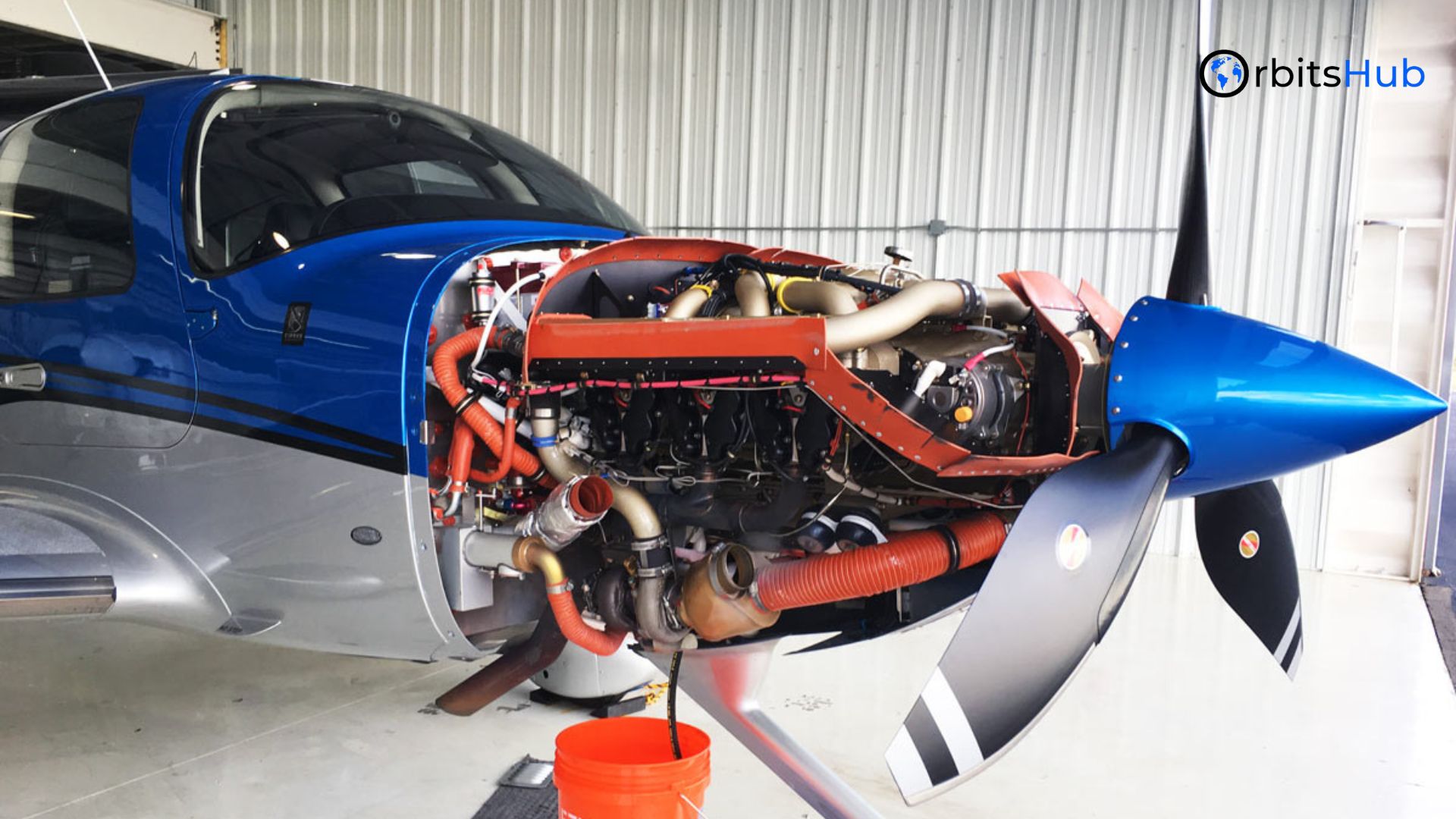
Aircraft engines are the heart of any flying machine, propelling it through the skies with incredible power and efficiency. Understanding how these engines work is crucial for aviation enthusiasts and anyone curious about the technology that makes air travel possible. We will demystify Aircraft engines, covering everything from their basic principles to their different types and how they contribute to the marvel of modern aviation.
Types of Aircraft Engines
Aircraft engines can be broadly categorize into two main types: piston engines and gas turbine engines.
1. Piston Engines
Piston engines, also called reciprocating engines, work like a car engine. They develop power through the internal combustion of fuel and air and are typically installed in smaller aircraft due to their simplicity and reliability. The combustion process in a piston engine causes the pistons in the engine’s cylinders to move up and down, rotating a crankshaft and producing power. While gas turbine engines are more efficient and produce more energy, piston engines have certain limitations.
2. Gas Turbine Engines

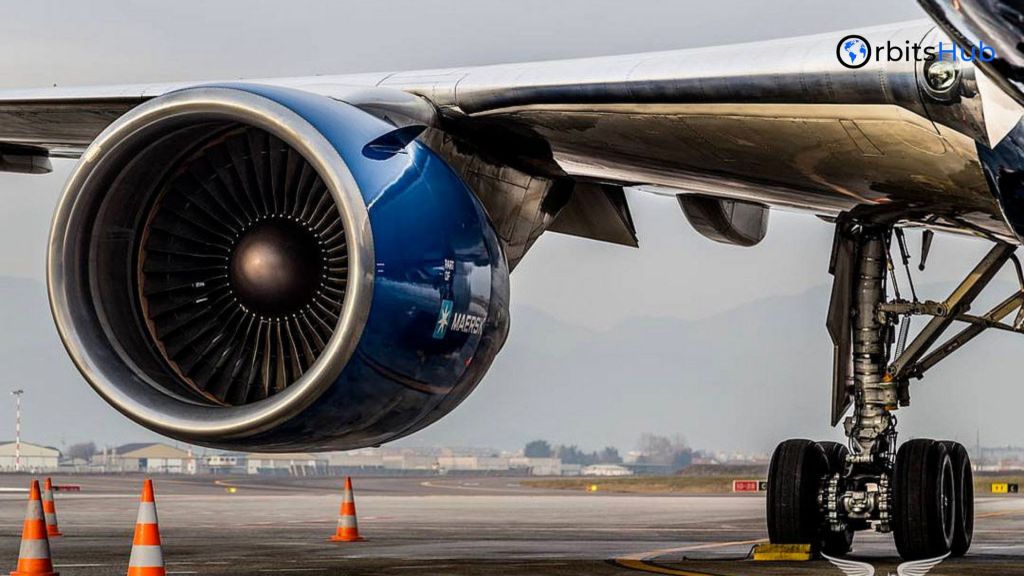
Most modern military and commercial aircraft are propelled by gas turbine engines, commonly known as jet engines. The basic idea behind these engines is to compress air, combine it with fuel to achieve combustion, and then rapidly release the exhaust gasses to generate thrust. Aircraft with a larger engine and a greater need for speed and performance benefit significantly from gas turbine engines due to their efficiency and tremendous power.
Gas turbine engines themselves can be further classified into:
- Turbojet Engines: These are the simplest form of gas turbine engines, primarily used in older jet aircraft. They generate thrust by expelling hot exhaust gases at high speed through a nozzle.
- Turbofan Engines: The most common type of engine used in modern commercial airliners. Turbofans are more fuel-efficient than turbojets and operate by bypassing a significant amount of incoming air around the engine core, which reduces noise and increases efficiency.
- Turboprop Engines: While technically a type of gas turbine engine, turboprops are used in aircraft that require speed and efficiency at lower altitudes. They drive a propeller instead of directly producing jet thrust.
Working Principles of Aircraft Engines
Regardless of the type, all aircraft engines operate on similar basic principles of thermodynamics and fluid mechanics:
- Intake: Air is drawn into the engine, compressed, and mixed with fuel.
- Compression: The compressed air-fuel mixture is ignited.
- Combustion: Fuel ignites in the compressed air, creating a high-pressure, high-temperature exhaust gas.
- Exhaust: The exhaust gases are expell at high speed through a nozzle, creating thrust.
Each engine type applies These principles differently to achieve optimal performance based on the aircraft’s design and operational requirements.
Maintenance and Safety Considerations
The dependability and security of aircraft engines depend on regular maintenance. Explore the rigorous maintenance schedules, inspections, and safety protocols that keep aircraft engines in peak condition. Discuss standard maintenance practices, such as engine overhauls, component replacements, and the role of predictive maintenance technologies in minimizing downtime and maximizing operational efficiency.
Environmental Impact and Future Trends
Delve into the environmental considerations associated with aircraft engines, including their carbon emissions and noise pollution. Discuss ongoing efforts within the aviation industry to develop more fuel-efficient engines, reduce emissions, and explore alternative fuels such as biofuels and hydrogen. Feature upcoming developments in engine technology that could drastically reduce the aviation industry’s impact on the environment, such as electric and hybrid power systems.
The Role of Aircraft Engines in Aviation Economics
Explore how aircraft engines contribute to the economics of aviation. Considerations such as engine choice’s effect on operating expenses, fuel economy, and maintenance costs should be consider. Highlight the importance of engine reliability and performance in route planning, profitability, and fleet management strategies. Include insights into how advancements in engine technology influence airline competitiveness and passenger ticket pricing.
Innovations and Breakthroughs in Aircraft Engine Technology
Delve into recent innovations and breakthroughs in aircraft engine technology. Discuss advancements in materials, design, and manufacturing techniques that have improved engine efficiency, reliability, and performance. Highlight notable developments in noise reduction, emissions control, and the quest for higher thrust-to-weight ratios. Include case studies of revolutionary engine designs or technologies significantly impacting the aviation industry.
Aircraft engines represent a remarkable feat of engineering that enables humanity to conquer the skies efficiently and safely. From the humble beginnings of piston engines to today’s sophisticated gas turbine engines, continuous innovation and improvement have shaped the evolution of aviation technology. Understanding the basics of how these engines work enhances our appreciation for the marvels of flight and underscores their importance in modern transportation and commerce.
For more insights into aviation technology and consultancy services tailored to your needs, explore Orbitshub expertise in maritime and aviation sectors. Visit our website at OrbitsHub