With its immense size the ocean takes up more than 70% of the planet’s surface—the sea has captivated explorers for generations. Today, technology has allowed us to explore the oceans in ways that the early explorers could have never imagined. Live ship tracking is one of the most innovative tools for maritime enthusiasts, shipping companies, and logistics managers. This technology offers a real-time window into the movements of vessels across the globe, revolutionizing the way we interact with the world’s oceans.
What is Live Ship Tracking?
Live ship tracking is a service that allows individuals to track the real-time positions of ships worldwide. It uses the Automatic Identification System (AIS), a mandatory navigation safety communications system for boats over a specific size. Ships broadcast their position, speed, course, and other vital data to nearby ships and AIS base stations through AIS. This information is then collect and disseminated through various platforms, allowing for the tracking of vessels from anywhere with internet access.
The Technology Behind Live Ship Tracking
Understanding AIS
To truly appreciate live ship tracking, it’s essential to understand the AIS technology it relies on. AIS is design to help avoid collisions but has also become invaluable for ship tracking. Each AIS-equipped vessel transmits data at regular intervals, including:
- Vessel Identification
- Current location (latitude and longitude)
- Speed and course over ground
- Destination and estimated time of arrival
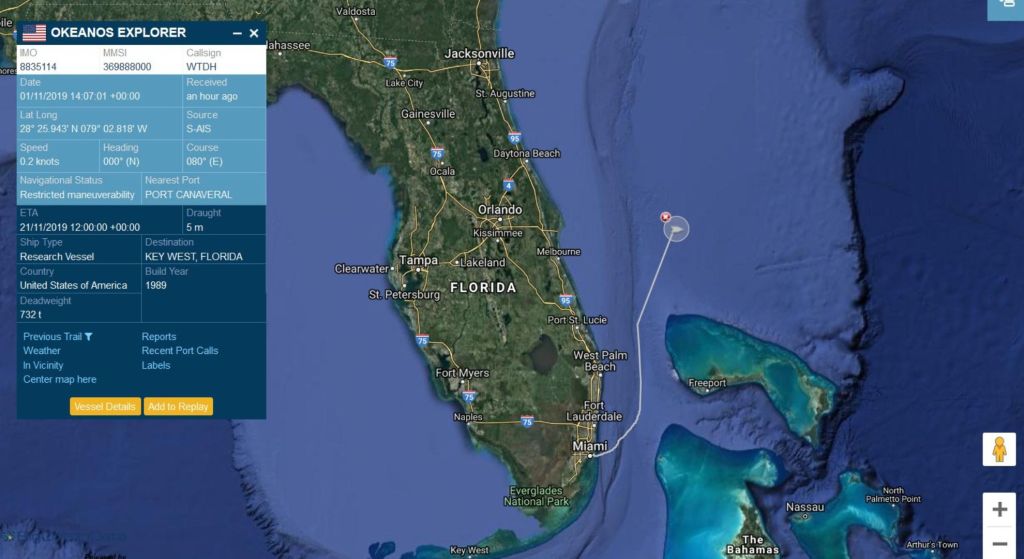
This data is pick up by coastal AIS receivers and satellites, which feed the information to various live ship tracking services.
Satellite vs. Terrestrial Tracking
There are two primary methods of capturing AIS signals: terrestrial and satellite-based. Terrestrial AIS uses a network of land-based receivers along coastlines, which have a limited range. On the other hand, satellite AIS can capture signals from the open ocean, providing global coverage. Most live ship tracking services combine data from both sources for comprehensive coverage.
The Benefits of Live Ship Tracking
Live ship tracking offers numerous benefits to various stakeholders in the maritime industry and beyond.
Enhanced Maritime Safety
One of the primary advantages of live tracking is increase safety at sea. By monitoring ship movements, navigational authorities can manage maritime traffic more effectively and respond quickly to emergencies.
Streamlined Shipping Operations
Shipping companies use live ship tracking to monitor fleets, optimize routes, and reduce delays. This real-time data helps them to improve operational efficiency and reduce costs.
To guarantee the safety of their crew and cargo, these organizations use real-time data on weather, sea currents, and other environmental elements to make informed judgments. Furthermore, the integration of advanced analytics and artificial intelligence in live ship tracking systems allows for predictive maintenance, minimizing downtime and extending the lifespan of vessels, further contributing to overall operational efficiency.
Environmental Protection
Live ship tracking can also aid in protecting the environment. By monitoring ship speeds and routes, authorities can ensure that vessels comply with environmental regulations, such as those designed to protect marine life.
Curiosity and Education
Maritime enthusiasts and the general public can use tracking to learn more about shipping activities and naval traffic. It’s an educational tool that provides insight into the global economy’s backbone.

The Role of Live Ship Tracking in the Global Economy
The global economy relies heavily on shipping, as about 90% of the world’s trade is carried by sea. ship tracking is a vital component in ensuring the smooth operation of this global supply chain. It provides transparency in shipping operations, enabling businesses to track their goods and manage logistics precisely.
Live Ship Tracking: A Step into the Future
Live tracking is not just a tool of the present but also a step into the future. More sophisticated capabilities, such as environmental monitoring in great detail and predictive analytics for ship routes, are on the horizon as technology develops. This technology empowers us to understand and interact with the world’s oceans like never before.
FAQ’s
1. What does live ship tracking mean?
ship tracking refers to the real-time monitoring of ships’ positions and movements using GPS and AIS (Automatic Identification System) technology. This allows for tracking vessels globally through online platforms or specialized software.
2. How is it possible to track ships live?
Ships are equipped with AIS transponders that transmit their location, speed, direction, and other data to satellites and terrestrial receivers. This information is then processed and displayed on live tracking services, which can be accessed online.
3. Who benefits from tracking ships in real time?
Various stakeholders use live tracking, including shipping companies for fleet management, port authorities for traffic coordination, logistics professionals, maritime enthusiasts, and family members of seafarers for maritime safety and operational efficiency.

4. Can anyone access live ship tracking data?
Yes, live ship tracking information is generally available to the public. Some multiple websites and apps provide free access to primary tracking data, while more detailed information may require a subscription.
5. What are the limitations of ship tracking?
While live ship tracking provides valuable data, it can have limitations, such as signal transmission issues in certain areas, the dependency on AIS transponders being active, and potential delays or inaccuracies in the reported data.
Live ship tracking is an invaluable tool that brings transparency and efficiency to the maritime industry, enhances safety, and satisfies the curiosity of those fascinated by the movements of ships. As we continue to explore and rely on the world’s oceans for global commerce, ship tracking will undoubtedly play a crucial role in navigating these waters. It is a technology that will shape our relationship with the oceans as it develops and becomes more critical to the world economy and the shipping industry.
Incorporating “live ship tracking” into your maritime operations or personal interests can offer many advantages and insights. It’s a window to the ever-moving lifeblood of global trade and an example of how technology connects us to the furthest corners of our planet.