Imagine cruising at 34,000 feet, sipping your in-flight beverage, when the plane starts rocking and swaying like a ship in rough seas. That’s the unsettling experience passengers aboard a Southwest Airlines Boeing 737 Max faced on May 25th, 2024. The culprit? An aerodynamic phenomenon known as a “Dutch roll.” But what exactly is a Dutch roll, and why did it cause structural damage to the plane? Buckle up because this story goes beyond just a bumpy flight.
The Dutch Roll: More Than Just a Fancy Name
A Dutch roll isn’t your everyday turbulence. It’s a complex combination of yawing (side-to-side movement) and rolling motions, causing the plane to oscillate in a rhythmic, unsettling pattern. Think of a figure skater gracefully swaying from side to side – but picture it with a 138-ton jetliner. While pilots are trained to recover from Dutch rolls, and modern aircraft have systems to help dampen them, this incident was severe enough to cause damage.
What Happened on that Southwest Flight?
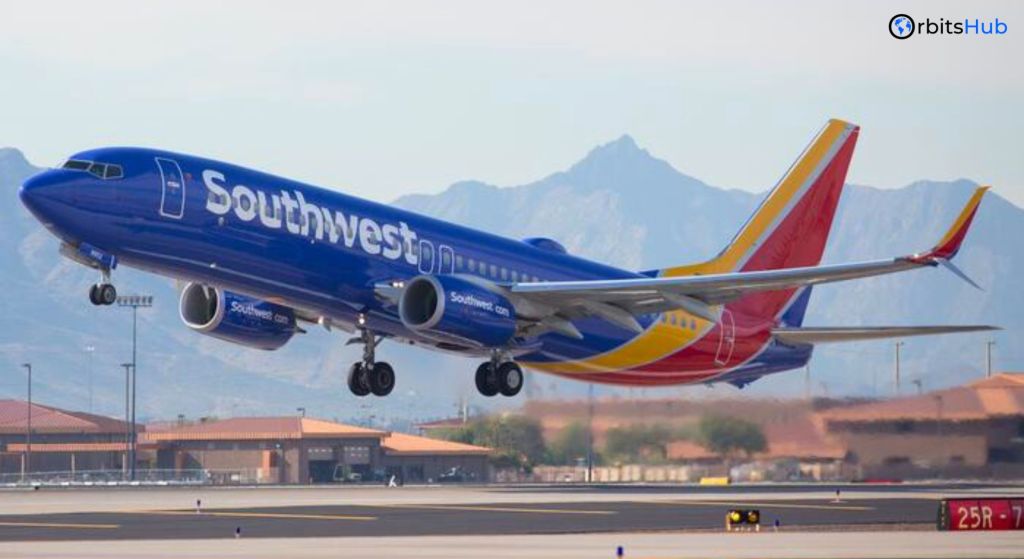
The Southwest Boeing 737 Max, flying from Phoenix to Oakland, encountered a Dutch roll that, while eventually controlled by the pilots, didn’t go unnoticed. Post-flight inspections revealed damage to structural components of the plane, including those related to the rudder’s backup power system. This isn’t just a minor scratch – we’re talking about substantial damage that raises serious questions about the severity of the incident.
The Investigation Unfolds: More Questions Than Answers
The National Transportation Safety Board (NTSB) is investigating, but there’s a twist: Southwest only reported the incident 12 days later. This delay has raised eyebrows, prompting scrutiny of the airline’s safety reporting practices. The investigation now delves into the incident’s cause, the extent of the damage, and why Southwest took so long to report it.
The Boeing 737 Max Under Scrutiny (Again)
The Boeing 737 Max has been involved in controversy before this occurrence. For twenty months, the aircraft was grounded globally after two catastrophic incidents in 2018 and 2019. Its service return was met with heightened scrutiny and ongoing safety concerns. The Dutch roll event complicates the ongoing debate on the 737 Max’s safety record, even if it has no clear connection to the earlier crashes.
What This Means for Passengers and the Aviation Industry
This incident is a stark reminder for passengers that even the most advanced aircraft aren’t immune to unexpected events. It highlights the importance of thorough safety investigations and transparent reporting practices by airlines. It’s a call to action for the aviation sector to keep improving safety procedures, pilot training, and aircraft design to reduce the likelihood of such occurrences.
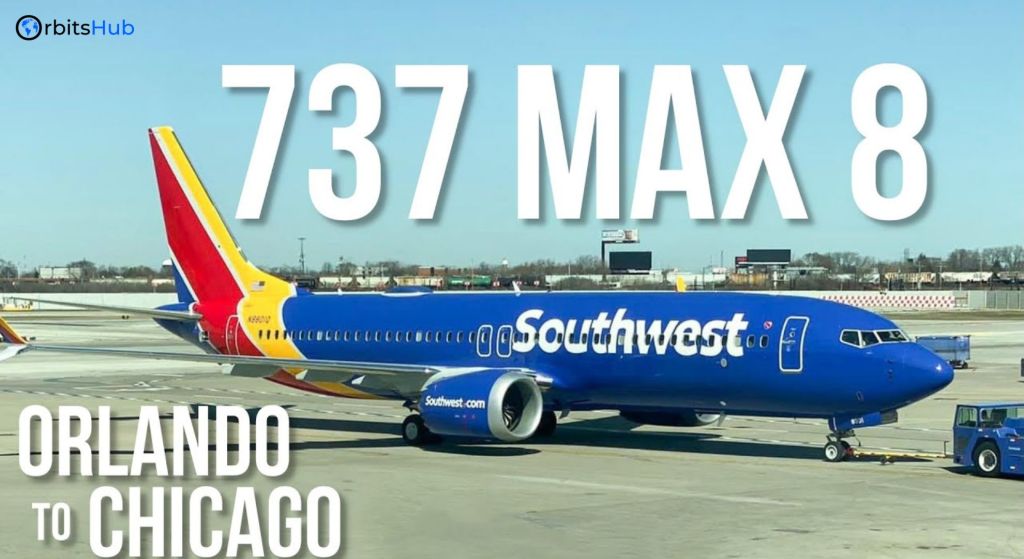
The Southwest Dutch roll incident is a developing story with significant implications for passengers and the aviation industry. As the NTSB investigation unfolds, we’ll gain a clearer picture of what went wrong and what needs to change to ensure the safety of everyone who takes to the skies. This incident serves as a reminder that striving for aviation safety is a lifelong endeavor that calls for unwavering attention to detail and a dedication to picking up lessons from every setback or, in this case, an unanticipated roll in the air.
Ready to elevate your maritime and aviation operations? Explore OrbitsHub today!
Discover expert consultancy services tailored to enhance efficiency and compliance in maritime and aviation sectors. Whether you’re navigating regulatory challenges or optimizing operational strategies, OrbitsHub offers comprehensive solutions to propel your business forward. Visit OrbitsHub now to learn more about how we can support your goals and ensure smooth sailing above and below the clouds.