


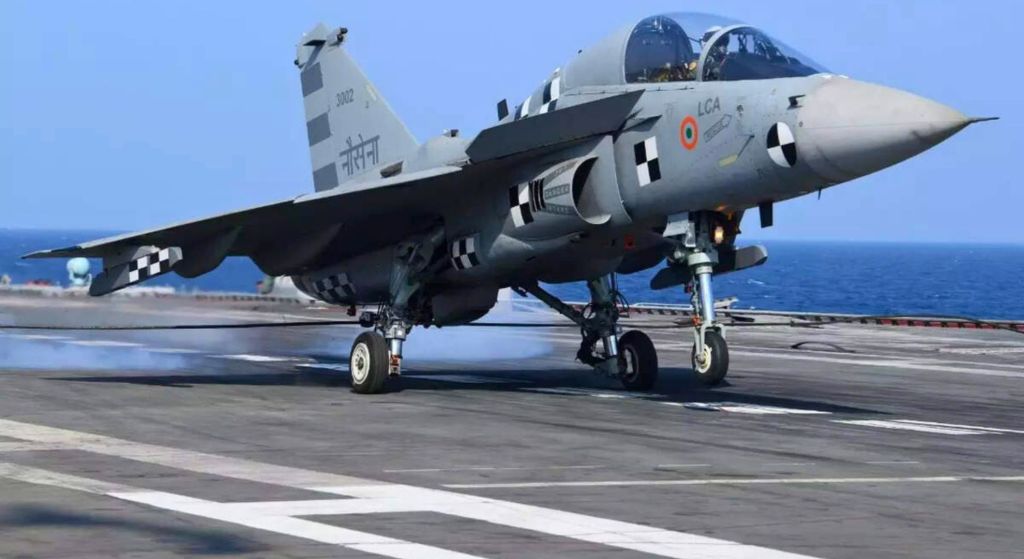
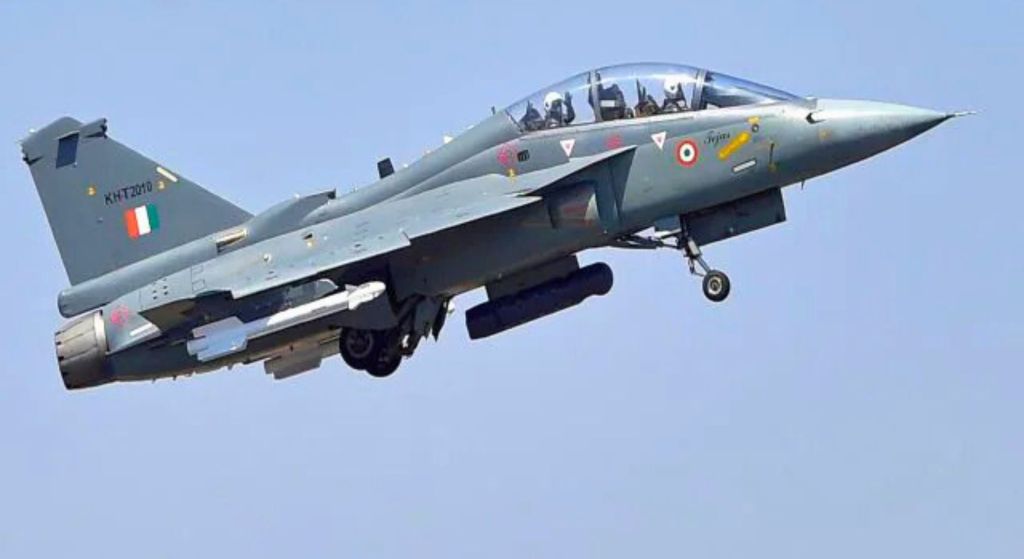
In the vast expanse of the Indian skies, a symbol of pride and technological prowess soars high – the Tejas MK2. Developed indigenously, this fighter jet is a testament to India’s capabilities in the aerospace industry. Here, we delve into the key features, advancements, and significance of the Tejas MK2, understanding why it rightfully claims its place as India’s pride in the skies.
Origins and Evolution
The ambitious Light Combat Aircraft (LCA) program in India gave rise to the Tejas MK2, an upgraded version of the Tejas MK1. I was conceived to replace the aging MiG-21s—the Tejas project aimed to establish self-reliance in the defense sector. The MK2 represents a significant leap forward, incorporating improvements based on operational feedback and technological advancements.
Design and Aerodynamics
Aerodynamic Excellence
The Tejas MK2 boasts a sleek and aerodynamically optimized design, contributing to its exceptional agility and maneuverability in aerial combat. The delta-wing configuration and canards enhance its stability and control, making it a formidable force in dogfights.
Composite Materials
In a nod to modern aerospace engineering, the Tejas MK2 incorporates many composite materials in its construction. This reduces its overall weight and enhances durability and stealth capabilities, ensuring a lower radar cross-section.
Training and Simulation
Pilot Training Programs
Introducing the Tejas MK2 to the Indian Air Force requires advanced pilot training programs. Comprehensive modules and state-of-the-art simulators help pilots master the MK2’s sophisticated avionics and handling, ensuring they can safely execute complex manoeuvres and emergency procedures.
Simulation Technology
Advanced simulation technology replicates real-world scenarios, enhancing training quality. Simulators accurately mimic the MK2’s flight dynamics, and VR/AR technologies provide pilots with immersive, realistic training environments.
Maintenance and Support
Maintenance Protocols
Stringent maintenance protocols keep the Tejas MK2 combat-ready. Regular inspections, diagnostics, and system upgrades ensure the aircraft remains in peak condition, minimizing downtime and maximizing readiness.
Supply Chain and Logistics
An efficient supply chain and robust logistics are essential for sustained MK2 operations. Indigenous production of spare parts reduces dependency on foreign suppliers, and advanced logistics management ensures timely access to necessary components for maintenance teams.
Cutting-Edge Avionics

Multi-Mode Radar
A powerful multi-mode radar system is at the heart of the Tejas MK2’s avionic suite. This radar provides the pilot with real-time situational awareness, enabling them to simultaneously detect and track multiple targets. This capability proves invaluable in modern air-to-air and air-to-ground missions.
Glass Cockpit
Embracing a glass cockpit design, the Tejas MK2 integrates large, high-resolution displays that present critical flight and mission information. This enhances the pilot’s situational awareness, simplifying the decision-making process during high-stakes scenarios.
Engine Performance
Thrust Vectoring
One of the defining features of the Tejas MK2’s engine is thrust vectoring, allowing the pilot to control the direction of the jet’s thrust. This capability grants the aircraft unparalleled agility, enabling it to execute complex maneuvers precisely. Such agility is crucial in outmaneuvering adversaries in air combat.
Enhanced Range and Payload
Equipped with a more powerful engine, the Tejas MK2 boasts an extended operational range, allowing it to cover considerable distances without refueling. Additionally, its increased payload capacity accommodates a diverse range of munitions, making it a versatile platform for various mission profiles.
Operational Significance
Air-to-Air Capabilities
The Tejas MK2 excels in air-to-air combat, equipped with advanced beyond-visual-range missiles and a robust electronic warfare suite. Its agility and sophisticated avionics make it a potent force in establishing air superiority.
Precision Strike Capability
Beyond its prowess in aerial combat, the Tejas MK2 demonstrates remarkable precision strike capabilities. Precision-guided munitions can conduct surgical strikes against ground targets with pinpoint accuracy, minimizing collateral damage.
International Collaboration and Export Potential
India’s foray into advanced fighter jet development has not gone unnoticed globally. The Tejas MK2 presents an attractive option for international buyers seeking a capable and cost-effective platform. Potential collaborations and export opportunities could further solidify India’s position in the global aerospace market.
Future Prospects and Upgrades
As time goes by, the Tejas MK2 adapts to new technology. Constantly expanding its capabilities is the goal of ongoing research and development. Upcoming upgrades may include advancements in stealth technology, artificial intelligence integration, and further improvements in avionics, ensuring that the Tejas MK2 remains at the forefront of modern aerial warfare.
Strategic Implications for Indian Defense
Regional Deterrence
The Tejas MK2 is crucial in enhancing India’s regional deterrence capabilities. Its advanced features and versatile mission profiles contribute to a more robust defense posture, deterring potential adversaries and protecting national interests.
Integration with Network-Centric Warfare
In an era of network-centric warfare, the Tejas MK2 seamlessly integrates into India’s broader defense architecture. Its ability to share real-time data with other platforms enhances the effectiveness of joint military operations, providing a force multiplier effect.
Technological Spin-Offs and Economic Impact
Technological Innovation Catalyst
The development of the Tejas MK2 has spurred technological innovation across various sectors in India. The advancements in materials, avionics, and propulsion systems have applications beyond the aerospace industry, contributing to the country’s overall technological prowess.
Economic Growth and Job Creation
The indigenous production and continued development of the Tejas MK2 have bolstered India’s defense capabilities and stimulated economic growth. The aerospace sector’s expansion has led to job creation, research and development opportunities, and a more self-reliant defense industry.
Environmental Considerations
Fuel Efficiency and Emissions Reduction
With modern technology that improves fuel economy and decreases emissions, the Tejas MK2 caters to a world more concerned about its environmental influence. Minimizing the ecological footprint aligns with global trends toward sustainable aerospace solutions.
Noise Reduction Measures
The Tejas MK2 integrates noise reduction measures, addressing concerns related to noise pollution during takeoff and landing. This not only benefits nearby communities but also contributes to the overall eco-friendliness of the aircraft.
Collaborative Research and Development
Academic and Industrial Partnerships
The Tejas MK2 project has fostered collaborations between academic institutions and industrial partners. These partnerships contribute to knowledge exchange, skill development, and the growth of India’s scientific and technological capabilities.
Technology Transfer Initiatives
Efforts to facilitate technology transfer from international collaborators to Indian entities have strengthened the country’s indigenous technological base. This approach accelerates development and positions India as a hub for cutting-edge aerospace technologies.
FAQ’s
1. What is Tejas Mk2?
Tejas Mk2 is an advanced version of the Tejas, a lightweight, multi-role, single-engine fighter aircraft designed and developed by the Aeronautical Development Agency (ADA) and Hindustan Aeronautics Limited (HAL) in India.
2. What are the critical features of Tejas Mk2?
Tejas Mk2 features improved avionics, enhanced radar systems, and better combat capabilities than its predecessors. It also incorporates advanced technologies for better performance and survivability.
3. What role does Tejas Mk2 play in the Indian Air Force (IAF)?
The Tejas Mk2 is an Indian Air Force multi-role fighter aircraft capable of various missions, including air defense, ground attack, reconnaissance, and electronic warfare.
The MK2 is a beacon of India’s aerospace achievements, embodying the nation’s commitment to self-reliance and technological excellence. With its cutting-edge design, advanced avionics, and formidable operational capabilities, the MK2 rightfully claims its place as India’s pride in the skies. As it continues to evolve and garner international attention, the Tejas MK2 marks a significant chapter in the history of Indian defense aviation, with far-reaching implications for national security, technological innovation, economic growth, and environmental considerations.


