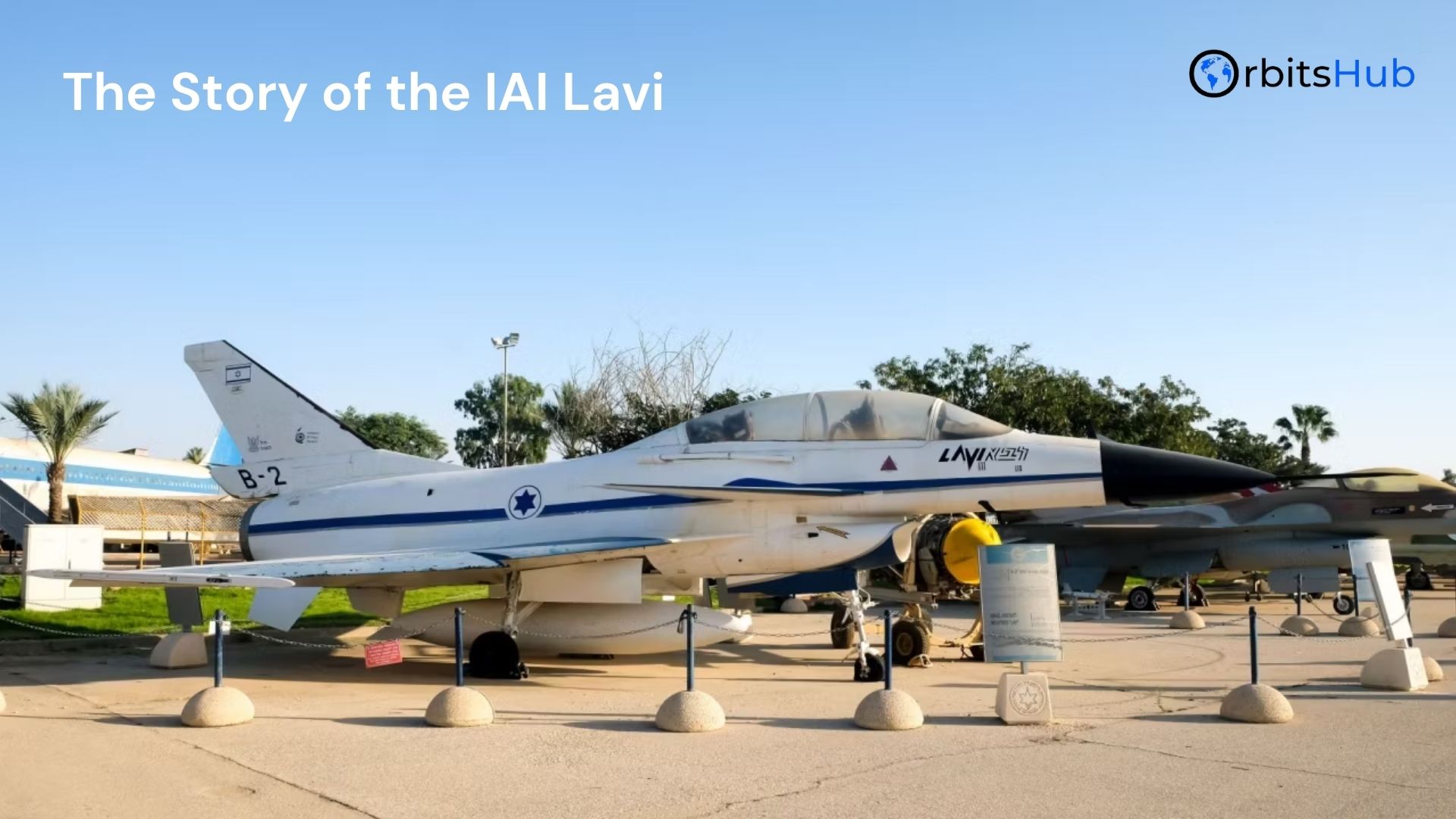
The IAI Lavi is a testament to Israel’s ambition in aerospace technology. Born from the necessity for self-reliance and innovation, the Lavi project aimed to establish Israel as a formidable force in fighter aircraft development during the latter half of the 20th century. This explores the journey of the IAI Lavi from its conceptualization to its impact on aviation history.
Conceptualization and Development
The IAI Lavi began in the 1970s when Israel sought to reduce its dependency on foreign military technology. The Israeli Air Force (IAF) envisioned a multirole combat aircraft that could meet its specific operational needs while bolstering its defence capabilities. Israel Aircraft Industries (IAI), now known as Israel Aerospace Industries, spearheaded this ambitious project.
Early Stages and Design Challenges: IAI Lavi
In its early stages, the IAI Lavi faced numerous challenges, primarily centred around technological development and cost management. The aircraft had to incorporate advanced avionics, powerful engines, and sophisticated weaponry while adhering to stringent budgetary constraints. Despite these hurdles, Israeli engineers and designers persevered, driven by a deep-seated commitment to national security and technological prowess.
Technological Innovations and Features: IAI Lavi

The IAI Lavi represented a leap forward in aerospace technology for its time. It boasted several groundbreaking features:
1. Fly-by-wire Technology: The Lavi was one of the earliest combat aircraft to integrate fly-by-wire technology, enhancing manoeuvrability and responsiveness in flight.
2. Advanced Avionics: Equipped with state-of-the-art radar systems and avionics suites, the Lavi could operate effectively in air-to-air and air-to-ground combat scenarios.
3. Versatility: Designed as a multirole fighter, the Lavi could perform various missions, including interception, ground attack, and surveillance, making it a versatile asset for the IAF.
Challenges and Controversies
Despite its technological advancements, the IAI Lavi faced significant challenges, ultimately leading to its discontinuation. High development costs, budgetary constraints, and geopolitical pressures forced Israel to reassess the feasibility of mass-producing the aircraft. Additionally, the geopolitical landscape of the 1980s, including pressure from the United States concerning competitive interests, influenced Israel’s decision to terminate the Lavi project in 1987.
Legacy and Impact
Although the IAI Lavi never entered full-scale production, its legacy endures within the aerospace community. The technological innovations and engineering expertise gained during the Lavi project provided a foundation for subsequent Israeli aerospace endeavours. Lessons learned from the Lavi contributed to developing other successful Israeli aircraft programs, underscoring Israel’s capability for innovation and adaptation in the face of adversity.
Technological Innovations in the IAI Lavi
Explore the groundbreaking technological advancements that set the IAI Lavi apart from its contemporaries in the aerospace industry. This section can delve deeper into specifics such as the fly-by-wire technology, advanced avionics, and weapon systems integrated into the aircraft.
Geopolitical and Economic Factors Influencing the Fate of the IAI Lavi
Examine the geopolitical and economic challenges that contributed to the ultimate decision to cancel the mass production of the IAI Lavi. This topic can discuss factors such as international relations, financial feasibility, and strategic considerations that shaped Israel’s defence policy during the 1980s.
Impact on Israeli Aerospace Industry and Technology Transfer
Explore how the development of the IAI Lavi influenced the Israeli aerospace industry. Discuss the technological advancements resulting from the project and the subsequent knowledge transfer to other Israeli defence programs. Highlight collaborations with international partners and the legacy of innovation that continues to shape Israeli aerospace capabilities today.
Comparisons with Contemporary Fighter Aircraft
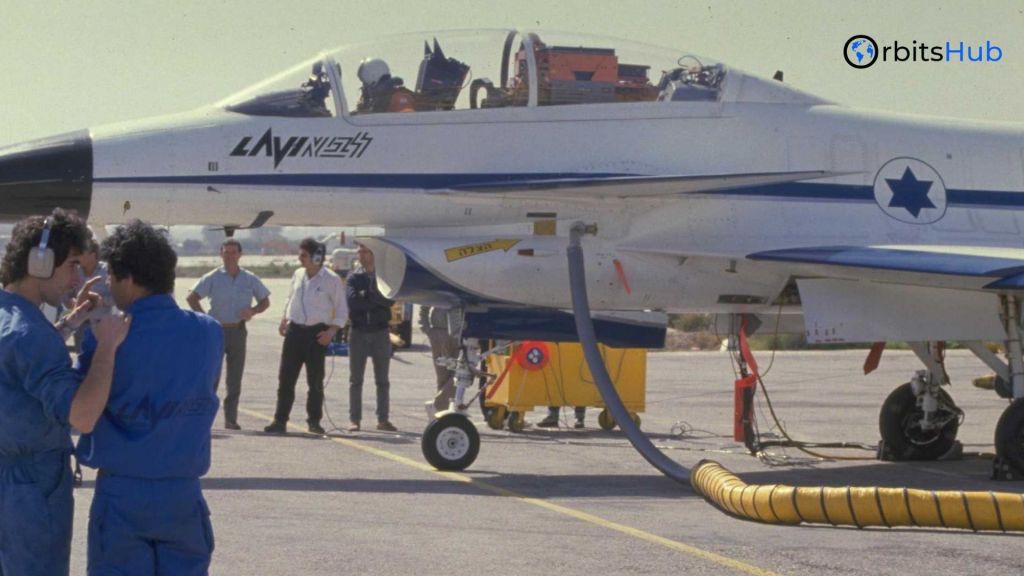
Compare the IAI Lavi with other contemporary fighter aircraft developed during the same era. Analyze key performance metrics, technological features, and strategic roles to assess the potential competitive advantage Lavi could have offered if it had entered full-scale production. Discuss how lessons from the Lavi project influenced future global aircraft development strategies.
The story of the IAI Lavi serves as a testament to Israel’s determination to achieve self-sufficiency in defence technology. Despite its eventual cancellation, the Lavi project showcased Israel’s capacity for innovation and technological advancement in the aerospace sector. As Israel continues to evolve as a global leader in defence technology, the lessons learned from the Lavi project remain relevant, shaping the future of aerospace development worldwide.
Explore OrbitsHub for more insights into groundbreaking aerospace technologies and historical developments. Discover how innovation continues to drive progress in aviation and beyond.