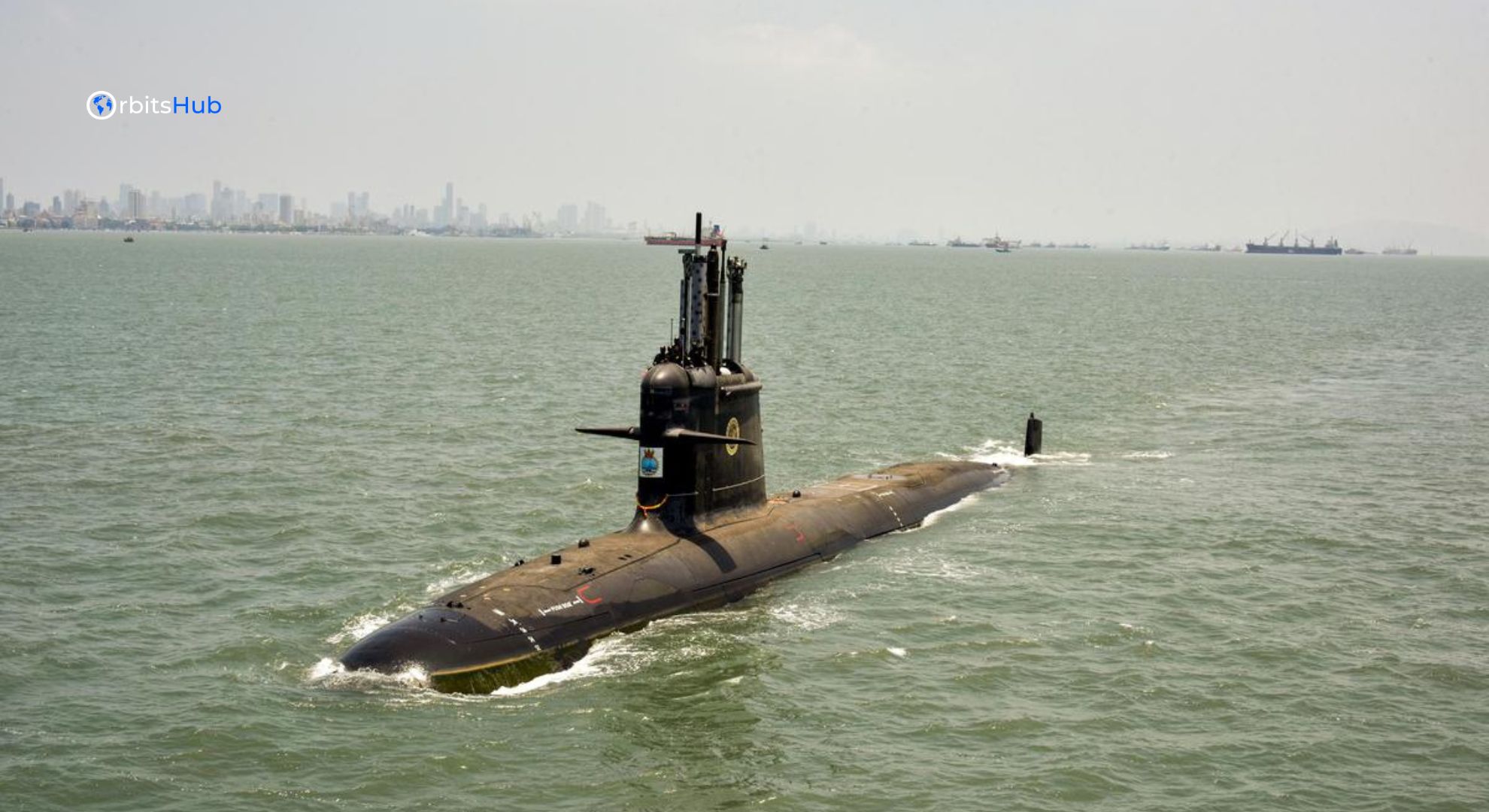
The Indian Navy has launched an ambitious initiative to strengthen its undersea defence capabilities. In a monumental tender valued at a staggering INR 60,000 crore (approximately $7.3 billion), the nation has initiated trials to construct six highly advanced submarines, marking a significant stride towards modernizing its conventional submarine fleet.
Strengthening Indigenous Shipbuilding
To spearhead this critical project, the Indian Navy has entrusted two esteemed domestic shipyards with the responsibility of leading the charge. Mazagon Dock Shipbuilders Limited (MDL) and Larsen & Toubro (L&T), renowned for their naval construction expertise, have been tasked with forging strategic partnerships with foreign vendors.
A key objective of this initiative is to foster self-reliance and bolster India’s indigenous shipbuilding prowess. The tender mandates that at least 60% of the submarine components be sourced and manufactured domestically, underscoring the nation’s commitment to promoting local industry and reducing reliance on imports.
Collaborating with Global Leaders
In pursuit of cutting-edge technology and expertise, the Indian Navy has sought collaborations with esteemed international players. The trials commenced in March when a team of Indian naval officials visited the German city of Kiel to explore the Air Independent Propulsion (AIP) system developed by ThyssenKrupp Marine Systems, a renowned German submarine manufacturer.
ThyssenKrupp Marine Systems has partnered with MDL, bringing their extensive knowledge and experience. This strategic alliance aims to equip India’s future submarines with state-of-the-art AIP technology, a crucial feature that enhances their underwater endurance and stealth capabilities.
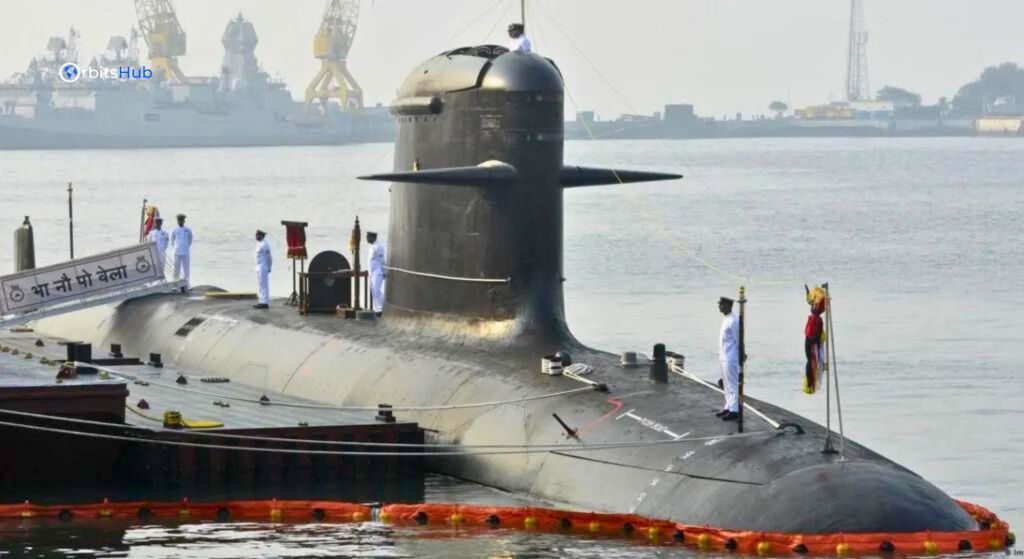
Leveraging Spanish Expertise: Submarine
Complementing the German collaboration, the Indian Navy has also turned its attention to Spain. Larsen & Toubro has entered into a Teaming Agreement with the Spanish firm Navantia, paving the way for a symbiotic exchange of knowledge and resources.
The next phase of the trials is scheduled to take place in Spain, where Navantia will showcase its AIP system at a Spanish Navy facility by the end of June. This hands-on evaluation will provide Indian naval officials with a comprehensive understanding of the technology, enabling them to make informed decisions regarding its integration into the future submarine fleet.
Enhancing Underwater Endurance
Integrating AIP systems into India’s submarines is critical to this endeavour. Conventional submarines without AIP technology are required to surface frequently to recharge their batteries, which power their propellers. This frequent surfacing increases the risk of detection, compromising the vessel’s stealth and operational effectiveness.
Future submarines built by India will have superior operational capabilities and strategic advantages because of AIP technology, which allows them to stay submerged for extended periods. With neighbours like China and Pakistan having purchased AIP-equipped submarines, which might upset the regional underwater balance, this capacity is vital for India’s maritime security concerns.
Addressing Regional Dynamics: Submarine
The Indian Ocean region has witnessed heightened maritime activity and strategic manoeuvring by various nations, underscoring the importance of maintaining a robust naval presence. China’s growing assertiveness and Pakistan’s acquisition of advanced submarines from Beijing have prompted India to bolster its defensive capabilities.
By investing in cutting-edge submarine technology and fortifying its underwater fleet, Indian Navy aims to safeguard its maritime interests and maintain a deterrent against potential threats. The six new submarines will enhance India’s defensive posture and contribute to regional stability by reinforcing the nation’s ability to project power and assert its maritime dominance.
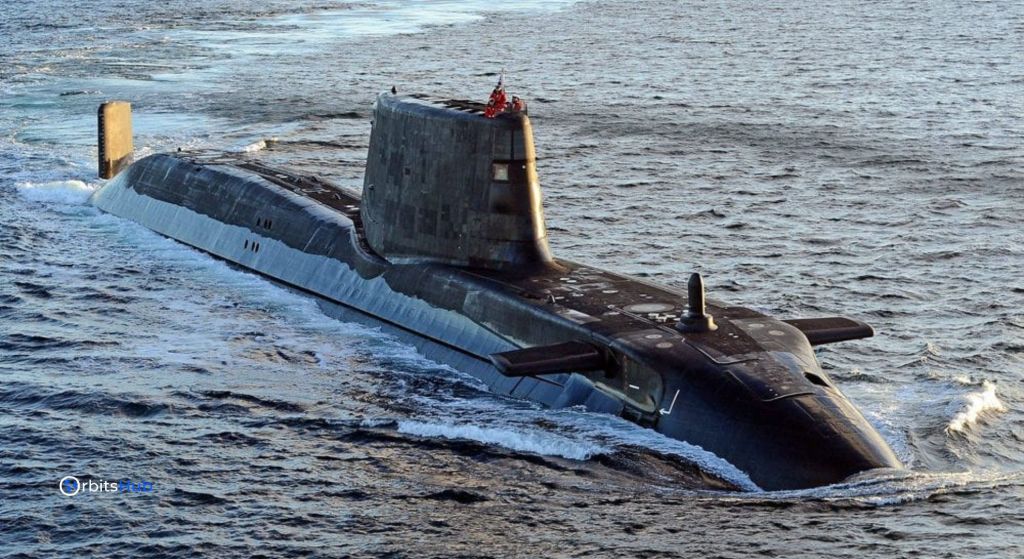
Fostering Technological Self-Reliance
Beyond addressing immediate security concerns, this ambitious project aligns with India’s vision of achieving technological self-reliance in critical defence sectors. By leveraging domestic shipbuilding capabilities and fostering collaborations with global leaders, India is paving the way for knowledge transfer and developing indigenous expertise.
Advanced AIP systems will improve India’s submarine fleet’s operations and spur related research. This project may accelerate India’s defense sector’s innovation and technological advancement, making it a major maritime competitor.
Overcoming Challenges and Setbacks
While the Indian Navy’s pursuit of advanced submarine capabilities is commendable, the journey has been without challenges. Delays and setbacks have plagued previous procurement efforts, underscoring the complexities of such large-scale defence projects.
One notable example is the Kalvari-class submarines, initially intend to be equipped with AIP technology during their refit program. Technical and logistical issues have prevented this strategy from being implemented, underscoring the need for a more efficient procurement process.
The Indian Navy has actively sought overseas partners’ expertise to tackle these challenges. India is encouraging partnerships and sharing of information to reduce risks and guarantee on-time delivery of these vital underwater assets.
Enhancing Maritime Security Preparedness
India’s maritime security is strengthen by the purchase of six modern submarines. The nation’s large coastline and marine trade routes require a strong naval presence for economic security and trade.
These new submarines will bolster India’s ability to conduct extended underwater operations, gather intelligence, and respond swiftly to potential threats. Their improved stealth capabilities will help the Indian Navy repel enemies and defend its maritime borders.
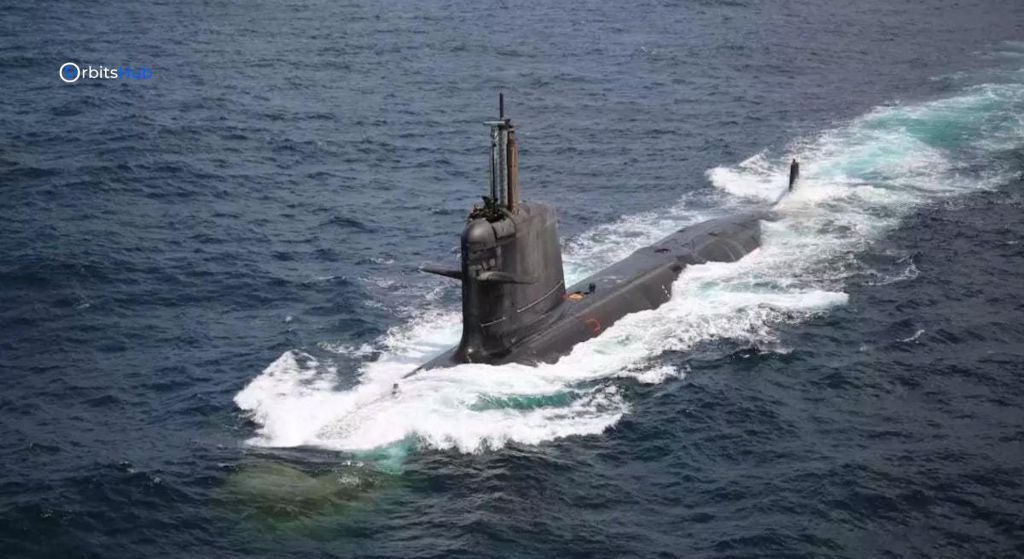
Fostering Regional Cooperation and Diplomacy
This initiative aims to strengthen India’s defences but also offers regional collaboration and diplomacy. India’s maritime might can improve links with like-minded nations and enhance Indian Ocean stability by collaborating with international partners.
Regional trust and understanding can improve marine security and prosperity through collaborative exercises, joint training, and information-sharing. India’s commitment to advancing its submarine capabilities can catalyze regional dialogue and cooperation, benefiting all stakeholders.
Embracing Sustainable Maritime Practices
As India embarks on this ambitious submarine acquisition program, it is crucial to consider the environmental impact of such endeavours. Recognizing the difficult balance between national security and environmental stewardship, the Indian Navy has committed to sustainable maritime practices.
India can ensure its submarine fleet works with the marine ecosystem by using eco-friendly technologies and following strict environmental standards. India is a responsible maritime power, climate change leader, and worldwide partner with this approach.
Charting a Course Towards Maritime Dominance
The Indian Navy’s ambitious project to build six sophisticated submarines is crucial to its maritime dominance. India can improve its submarine defences in the Indian Ocean through advanced technology, global collaboration, and indigenous construction.
This project promotes India’s technological independence, sustainable maritime practises, and security. Indian Navy submarine production and testing will protect maritime interests, enhance regional stability, and boost naval security and profitability.
Ready to elevate your maritime and aviation operations? Explore the possibilities with OrbitsHub! Dive into tailored consultancy services designed to optimize your industry strategies. Reach out today to discover how we can navigate your journey to success together at orbitshub.com.