Have you ever looked out the window of a plane and marvelled at the engineering marvel beneath you? The journey from ground to the sky has come a long way, and aeroplanes like the Douglas DC-4 have played a pivotal role in modern air travel. This four-engine wonder wasn’t just another aircraft but a revolutionary leap forward. We’ll delve into the innovative features of the DC-4 and explore how it transformed passenger air travel, leaving a lasting legacy that continues to influence the skies we fly in today. We’ll also explore the DC-4’s contributions beyond commercial aviation and its place within the broader evolution of propeller-driven airliners. So, buckle up and get ready to take a fascinating flight through the history of the DC-4!
From Drawing Board to Takeoff: The Birth of the DC-4
The story of the DC-4 begins in the late 1930s. Airlines were demanding larger, faster, and more comfortable aeroplanes to meet the growing demand for passenger travel. Douglas Aircraft Company, already a leader in aviation with its successful DC-2 and DC-3 models, decided to answer this call.
Addressing Range Limitations: The DC-4’s Innovative Design
The primary limitation of the DC-3, the reigning workhorse of the skies at the time, was its range. It could only travel short to medium distances, restricting the creation of longer routes. The DC-4 addressed this issue by incorporating several key innovations:
- Four Engines: Unlike its predecessors, the DC-4 boasted four powerful Pratt & Whitney R-1830 Twin Wasp engines. This increased its cruising speed and provided an essential safety feature. Even if one engine failed, the remaining three could keep the aircraft flying, allowing for a safe landing.
- Pressurized Cabin: Another revolutionary feature of the DC-4 was its pressurized cabin. This innovation ensured passenger comfort at high altitudes, where the air is thin and frigid. Previously, passengers on high-altitude flights had to endure discomfort due to the lack of pressurization.
- Retractable Landing Gear: The DC-4 incorporated retractable landing gear, a feature already in military aircraft. This streamlined the design, reducing drag and improving overall aerodynamic efficiency, which, in turn, contributed to better fuel economy and range.
- Increased Passenger Capacity: Compared to the DC-3’s capacity of 21-32 passengers, the DC-4 could comfortably accommodate 41-86 passengers. This significant increase allowed airlines to transport more passengers on a single flight, boosting profitability.
The DC-4 Takes Flight: Transforming Passenger Air Travel
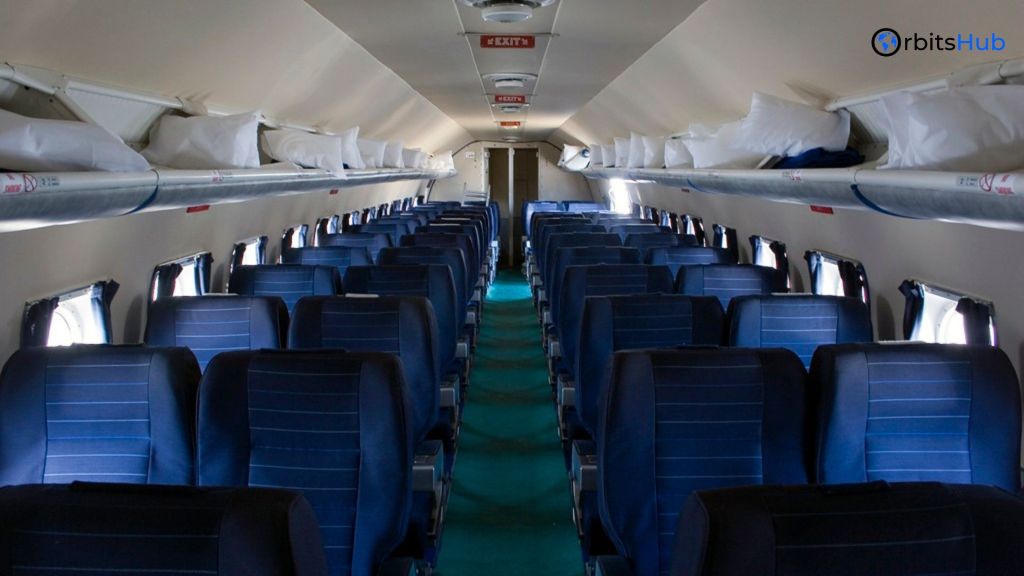
The DC-4’s first commercial flight occurred in 1946, shortly after World War II. Airlines across the globe eagerly adopted this revolutionary aircraft. Here’s how the DC-4 transformed passenger air travel:
- Longer Routes: With its extended range, airlines could now establish longer routes, connecting previously too far apart cities for comfortable passenger travel. This opened up new possibilities for international travel and trade.
- Greater Passenger Comfort: The DC-4’s pressurized cabin and increased legroom made air travel a much more pleasant experience for passengers. This shift was crucial in attracting more people to air travel, leading to a boom in the aviation industry.
- The Dawn of the Jet Age: While the DC-4 Aircraft reigned supreme for over a decade, it eventually paved the way for the jet age. The DC-4’s success demonstrated the growing demand for long-distance passenger travel, which jet airliners would later fulfil with even greater speed and efficiency.
A Legacy that Soars On: The Enduring Impact of the DC-4
The DC-4’s impact on aviation goes far beyond its time in service. Here’s how its legacy continues to resonate:
- Safety Standards: The introduction of four engines and a pressurized cabin set new standards for safety in commercial aviation. These innovations remain fundamental principles in modern aircraft design.
- Passenger Experience: The DC-4’s focus on passenger comfort, particularly with its pressurized cabin, continues to influence the design of modern airlines. Thanks to the groundwork laid by the DC-4, today’s passengers enjoy a comfortable and safe flying experience.
- Global Connectivity: The DC-4’s ability to connect distant cities significantly fostered worldwide trade and cultural exchange. This trend continues today, with modern jet airliners facilitating even faster and more extensive global connectivity.
The DC-4’s Role in History: From Wartime Hero to Commercial Success
This section can delve into the DC-4’s contributions beyond commercial aviation. You can discuss:
- Military Service: The DC-4’s military variant, the C-54 Skymaster, played a vital role in World War II and the Berlin Airlift. It was significant in transporting troops and supplies during the war and critical in supplying West Berlin during the Soviet blockade.
- The Berlin Airlift: Dedicating a sub-section here can explore the specific details of the C-54’s contribution to the Berlin Airlift. You can mention the number of aircraft involved, the operation’s duration, and the pilots’ challenges during this historic humanitarian effort.
Beyond the DC-4: The Evolution of Propeller-Driven Airliners
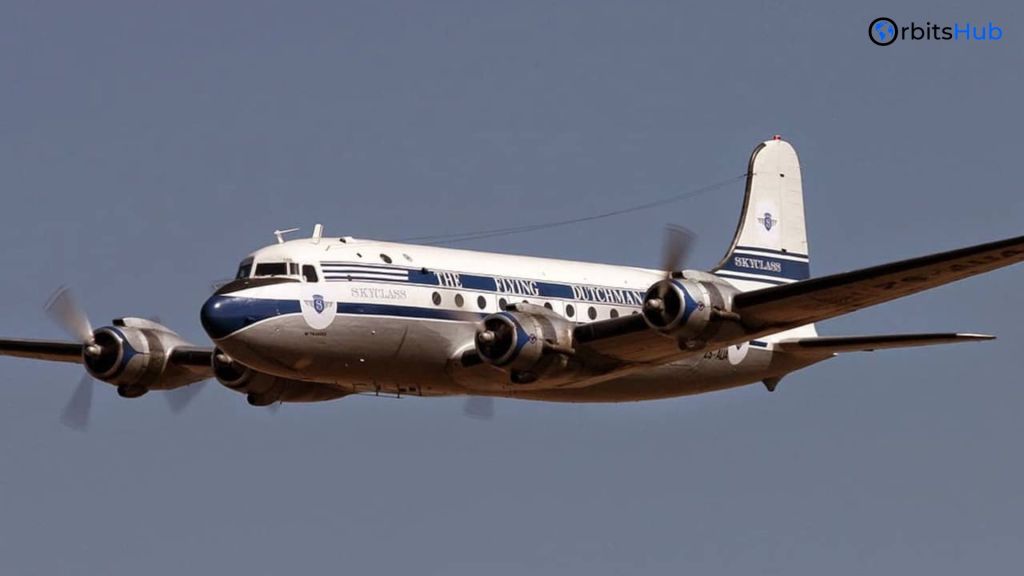
This section can provide context to the DC-4’s place in aviation history by discussing the evolution of propeller-driven airliners. You can cover:
- Pre-DC-4 Propeller Aircraft: Briefly mention some notable propeller aircraft before the DC-4, such as the Ford Trimotor and the Lockheed Electra, highlighting their limitations.
- The Rise of Turboprop Aircraft: Discuss the eventual replacement of propeller-driven airliners by turboprop aircraft, which offered increased speed and efficiency. Mention some examples of successful turboprop aircraft like the Fokker F27 and the ATR 72.
- The Niche of Modern Propeller Aircraft: Briefly acknowledge that propeller aircraft are only partially obsolete. Modern turboprops are still used for short-haul regional flights and cargo operations due to their fuel efficiency and versatility for operating on shorter runways.
The Douglas DC-4 is a testament to human ingenuity and its ability to push the boundaries of aviation technology. Its innovative design revolutionized passenger air travel and laid the foundation for the jet age and the globalized world we live in today.
For assistance navigating the intricacies of these ever-changing industries, turn to OrbitsHub, a top provider of maritime and aviation consultant services. With expertise in areas like regulatory compliance, fleet management, and market analysis, OrbitsHub can help your business soar to new heights. Contact them today to learn more about their services.