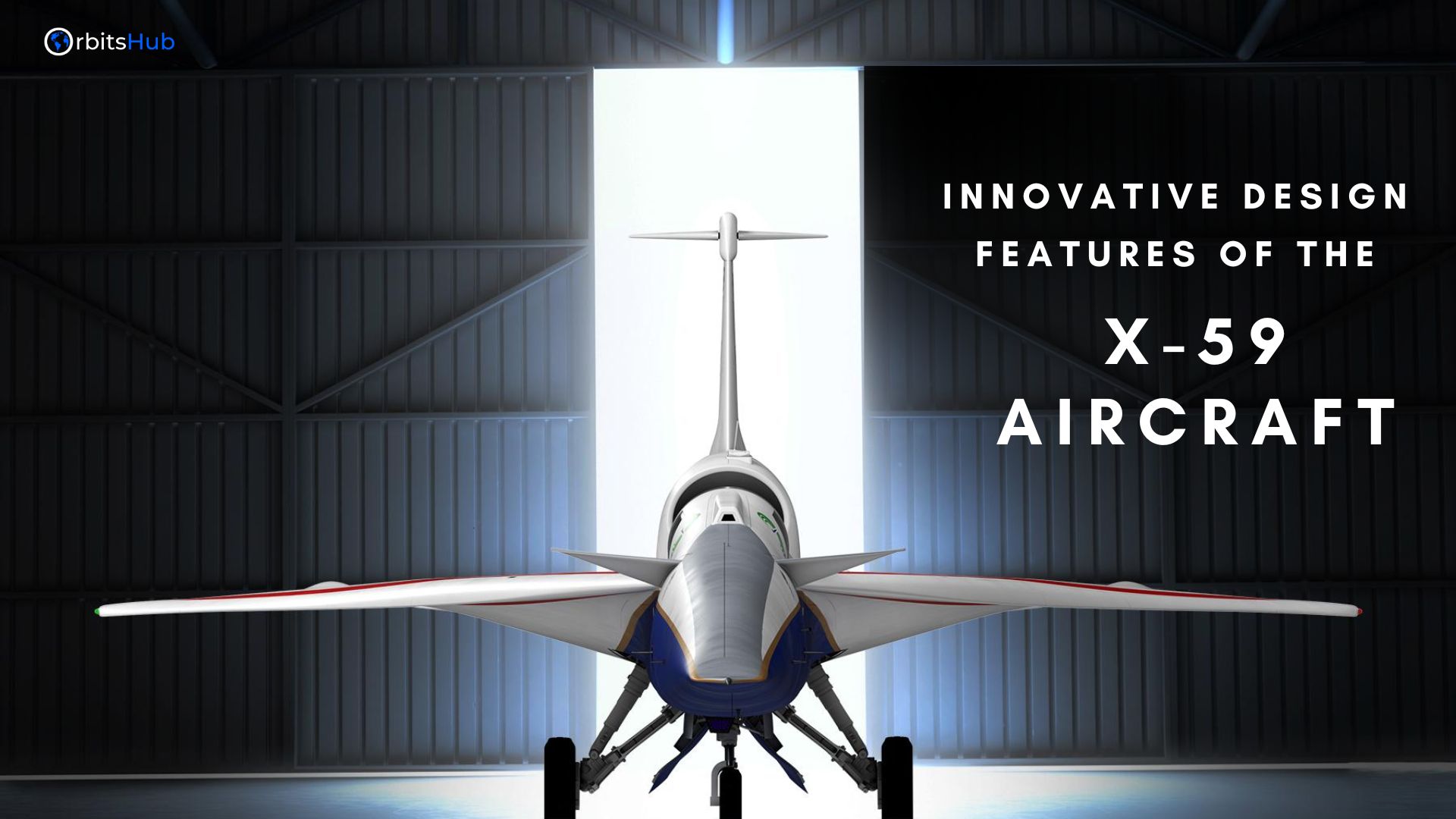
As part of NASA’s plan to make quiet supersonic flying possible, the X-59 Quiet SuperSonic Technology (QueSST) plane was built. When you fly faster than the speed of sound, which at sea level is about 767 miles per hour (1,235 kilometres per hour), you are supersonic. The sonic boom, an obnoxious and dangerous sound produced by shock waves generated by an object travelling at a speed more significant than the speed of sound, has been the greatest obstacle to the widespread use of supersonic transport. The X-59 aims to mitigate the sonic boom, turning it into a quieter “sonic thump,” making supersonic flight over land more feasible and acceptable. The innovative design features of the X-59 plane are crucial in achieving this goal.
The Revolutionary Design of the X-59 Plane
Aerodynamic Shape
Streamlined Fuselage
One of the most notable features of the X-59 is its streamlined fuselage. The aircraft’s body is designed to reduce drag and improve aerodynamic efficiency. The elongated and slender shape helps minimize the disturbance of air as the plane moves, contributing to the reduction of the sonic boom.
Long, Narrow Nose
The X-59 sports a long, narrow nose, vital in managing shock waves. This design helps spread the shock waves over a longer distance, reducing their intensity when they reach the ground. The nose’s shape is meticulously crafted to ensure the sonic boom transforms into a softer sound.
Advanced Cockpit Design
Cockpit Visibility System (CVS)
Due to the aircraft’s elongated nose, conventional cockpit windows would offer limited visibility. The X-59 has a Cockpit Visibility System (CVS) to overcome this. The CVS uses external cameras and a high-definition display to provide pilots with a clear view of their surroundings, ensuring safe and efficient navigation.
Ergonomic Cockpit Layout
The cockpit of the X-59 is designed with ergonomics in mind. Controls and displays are positioned to enhance pilot comfort and efficiency, reducing fatigue during long flights. The intuitive layout allows pilots to access essential information and controls quickly.
Quiet Supersonic Technology (QueSST)
Shaped Sonic Boom Signature
Limiting the sonic boom to a manageable level for flights over land is the X-59’s principal objective. This is achieved through the Shaped Sonic Boom Signature technology. By carefully designing the aircraft’s shape, engineers can control the formation and propagation of shock waves, turning a loud boom into a softer thump.
Noise Reduction Materials
The X-59 incorporates advanced materials designed to absorb and dampen noise. These materials are used in various aircraft parts, including the fuselage and engine compartments, to reduce further the noise impact on the ground and within the cabin.
Cutting-Edge Propulsion System
Low-Boom Flight Demonstrator Engine
A modified General Electric F414 engine powers the X-59, the Low-Boom Flight Demonstrator engine. The designers optimized the engine for quiet operation by making modifications that reduce noise and improve fuel efficiency. They also carefully considered the engine’s placement within the aircraft to minimize noise.
Efficient Fuel Consumption
Besides reducing noise, the propulsion system efficiently consumes fuel. This makes the X-59 more environmentally friendly and reduces operational costs, making supersonic travel more economically viable.
Innovative Flight Control Systems
Fly-by-Wire System
The X-59 utilizes a state-of-the-art fly-by-wire system. This electronic flight control system replaces traditional mechanical controls, offering more precise and responsive handling. The system can automatically adjust control surfaces to optimize aerodynamic performance and stability, especially at supersonic speeds.
Automated Flight Control
The X-59 features an automated flight control system to enhance safety and efficiency. This system can manage various aspects of flight, such as altitude and speed, allowing pilots to focus on monitoring and decision-making. The automation also helps maintain a steady and quiet supersonic cruise.
The Impact of the X-59 Plane on Aviation

Potential for Commercial Supersonic Flights
The future of commercial supersonic flights over land may depend on how well the developers and deployers of the X-59 handle its development and deployment. The X-59 solves a significant issue that has slowed the spread of this technology by drastically cutting down on the noise generally associated with supersonic travel. This could lead to faster travel times and revolutionize the aviation industry.
Environmental Considerations
Reduced Noise Pollution
One of the significant benefits of the X-59 is its potential to reduce noise pollution. By transforming the sonic boom into a quieter thump, the X-59 minimizes the impact of supersonic flights on communities below. This could lead to broader acceptance and fewer restrictions on supersonic travel routes.
Fuel Efficiency and Emissions
The X-59’s design also focuses on fuel efficiency, contributing to lower emissions. As the aviation industry seeks to reduce its environmental footprint, the X-59’s advancements in fuel-efficient supersonic travel could be crucial in achieving sustainability goals.
Technological Advancements
The development of the X-59 has spurred numerous technological advancements that could benefit other areas of aviation. Innovative aircraft designs incorporating X-59 noise reduction materials and flight control technologies could increase safety, efficiency, and passenger comfort.
Economic Implications
Lower Operational Costs
The efficient design and advanced technologies of the X-59 could lead to lower operational costs for supersonic flights. This could make supersonic travel more accessible and economically viable, potentially leading to increased demand and growth in the aviation industry.
Job Creation and Industry Growth
The development and production of supersonic aircraft like the X-59 could stimulate job creation and growth within the aviation industry. From engineering and manufacturing to maintenance and operations, expanding supersonic travel could create numerous opportunities for skilled professionals.
The X-59 aircraft represents a significant leap forward in aviation technology. With its innovative design features aimed at reducing the sonic boom and enhancing overall efficiency, the X-59 has the potential to transform the future of supersonic travel. From streamlined aerodynamics and advanced cockpit systems to cutting-edge propulsion and flight control technologies, the X-59 embodies the next generation of aviation innovation.
As we look to the future, the advancements brought by the X-59 could pave the way for quieter, faster, and more efficient air travel, benefiting passengers and the environment. The journey of the X-59 is not just about achieving supersonic speeds but also about setting new standards for what is possible in aviation.
Explore the latest aviation and maritime technology advancements by visiting the OrbitsHub website.