The X-59 Aircraft, also known as the X-59 QueSST (Quiet SuperSonic Technology), is a cutting-edge experimental aircraft developed by NASA. Its primary goal is to tackle one of the most significant challenges in supersonic travel: the sonic boom. By designing an aircraft capable of reducing the sonic boom to a mere sonic “thump,” NASA aims to pave the way for commercial supersonic flights over land. This breakthrough could cut down travel times and dramatically transform global transportation.
The Vision Behind the X-59 Aircraft
Addressing the Sonic Boom Challenge
One of the most notable features of the X-59 Aircraft is its ability to reduce the sonic boom. Traditional supersonic aircraft generate loud and disruptive sonic booms when breaking the sound barrier, making supersonic travel over populated areas impractical and often restricted. The X-59 aims to solve this issue by reshaping the aircraft to produce a quieter sonic signature.
A Step Towards Supersonic Commercial Flights
The success of the X-59 Aircraft could revolutionize commercial aviation. If NASA’s experimental aircraft can demonstrate that supersonic travel can be quiet enough for overland flights, it will open new possibilities for airlines. Shorter flight times will become a reality, making long-distance travel more efficient and convenient.
Innovative Design Features of the X-59 Aircraft
Unique Fuselage Shape
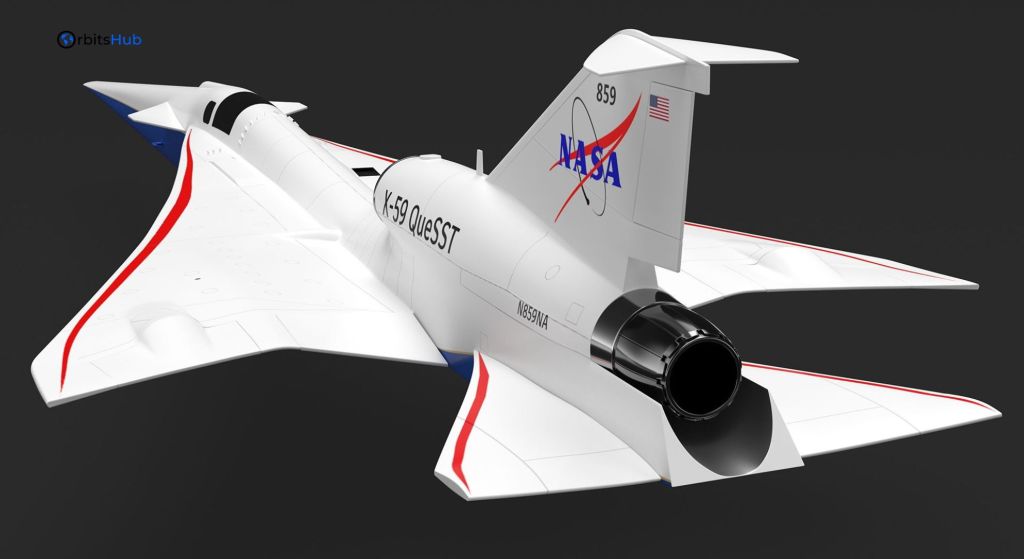
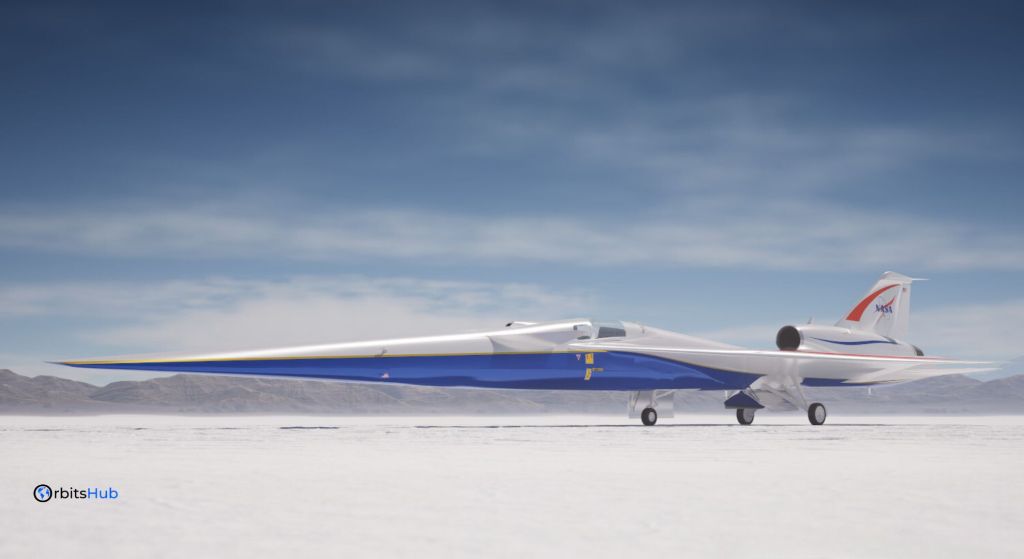
The X-59 features a distinctively long and slender fuselage designed to reduce the intensity of the sonic boom. This unique shape ensures that shockwaves the aircraft produce do not coalesce into a single loud boom but instead disperse, resulting in a softer, less jarring sound.
Advanced Aerodynamics
The aerodynamics of the X-59 are meticulously engineered to minimize drag and optimize supersonic performance. The aircraft’s wing configuration, with a highly swept-back design, contributes to its ability to maintain stability and efficiency at high speeds.
Cutting-Edge Materials
The construction of the X-59 incorporates advanced materials that provide both strength and lightweight properties. These materials are crucial for achieving the necessary performance while ensuring the aircraft remains as light as possible to maximize fuel efficiency.
The Technology Driving the X-59 Aircraft
Quiet Supersonic Technology (QueSST)
At the heart of the X-59 project is the Quiet Supersonic Technology (QueSST). This technology focuses on reducing the noise generated during supersonic flight. QueSST aims to make supersonic flight over land feasible and environmentally friendly by altering the aircraft’s shape and employing innovative design principles.
Computational Fluid Dynamics (CFD)
To perfect the design of the X-59, NASA relies heavily on Computational Fluid Dynamics (CFD). This advanced simulation technology allows engineers to model and analyze the airflow around the aircraft, identifying areas for improvement and ensuring optimal aerodynamic performance.
Flight Control Systems
The X-59 has state-of-the-art flight control systems that provide precise handling and stability. To keep the plane under control and safe in all kinds of situations, these systems dealt with the unique problems of flying at supersonic speeds.
Testing and Validation
Ground Testing
Before taking to the skies, the X-59 undergoes rigorous ground testing. These tests include structural integrity assessments, engine performance evaluations, and system checks. Ground testing is essential to ensure the aircraft is ready for the demanding conditions of supersonic flight.
Flight Testing
Flight testing is a critical phase in the development of the X-59. NASA conducts a series of test flights to gather data on the aircraft’s performance, sonic boom characteristics, and overall behaviour. These flights help validate the design and confirm that the X-59 meets its objectives.
Community Overflight Tests
An essential aspect of the X-59 program is the community overflight tests. These tests involve flying the X-59 over populated areas to measure the public’s reaction to the reduced sonic boom. The feedback gathered from these tests is crucial for regulatory approval and the future of supersonic travel.
X-59 Aircraft: The Future of Supersonic Travel
Potential Commercial Applications
If the X-59 successfully demonstrates its ability to mitigate the sonic boom, it will pave the way for commercial supersonic aircraft. Airlines could offer faster transcontinental and Flights between continents, reducing travel times and enhancing global connectivity.
Environmental Considerations
While the X-59 addresses noise, supersonic travel raises environmental concerns, particularly fuel consumption and emissions. Future developments must focus on creating more sustainable and environmentally friendly supersonic aircraft.
Regulatory Hurdles
The widespread adoption of supersonic commercial flights will require changes to current aviation regulations. Noise regulations, flight path restrictions, and international agreements must be revisited to accommodate the new era of quiet supersonic travel.
The X-59 Aircraft represents a enormous leap forward in aviation technology. By tackling the sonic boom challenge, NASA is paving the way for a future where supersonic travel is not only possible but practical and environmentally sustainable. The innovative design, cutting-edge technology, and rigorous testing behind the X-59 set new standards for the aviation industry. As we look ahead, this technology’s potential for commercial applications holds promise for transforming air travel as we know it.
As the X-59 progresses in supersonic technology, stay tuned for more updates and breakthroughs in aviation. To learn more about the X-59 Aircraft and other maritime and Improvements in flight consulting, visit the OrbitsHub website today.