

A Day in the Life of Kattupalli Port
As the sun rises over the Bay of Bengal, Kattupalli Port springs to life. The bustling port, located just 30 kilometers north of Chennai, India, is a testament to modern engineering and efficient maritime operations. Today, we’ll take you through the port’s daily activities, focusing on its vessel schedule and operational intricacies.
The Morning Rush: Kattupalli Port Vessel Schedule in Action
At 0600 hours, the first container vessel of the day, MV Seaspan Brilliance, approaches the port. Experienced pilots guide the massive ship, carrying over 10,000 TEUs (twenty-foot equivalent units), through the channel. As it approaches the berth, a team of skilled tugboat operators maneuvers the vessel into position.
Meanwhile, on the shore, terminal operators prepare for the day ahead. They review the Kattupalli Port vessel schedule, a critical document that outlines the expected arrivals and departures for the next 72 hours. Today, they’re expecting 15 vessels—a mix of container ships, bulk carriers, and tankers.
Efficiency in Action
The MV Seaspan Brilliance secures its mooring by 0800 hours, marking the start of the unloading process. Massive gantry cranes swing into action, their operators working precisely to transfer containers from ship to shore. The advanced Terminal Operating System (TOS) at the port tracks each container in real-time, minimizing errors and maximizing efficiency.
As the morning progresses, a bulk carrier, MV Golden Horizon, arrives to load iron ore. The port’s multi-cargo handling capabilities come into play as conveyor systems transport the ore from storage yards to the vessel’s hold. This operation runs concurrently with container handling, showcasing the port’s ability to manage diverse cargo types simultaneously.
Midday Operations: Peak Activity in the Kattupalli Port Vessel Schedule

Around noon, the port reaches its peak activity. The port now berths five vessels, each in varying stages of loading or unloading. The vessel traffic control center, perched high above the port, watches the harbor and approaching ships. They coordinate with pilots, tugs, and berth operators to ensure smooth traffic flow and prevent congestion.
A tanker, MT Pacific Voyager, arrives to discharge crude oil. The port’s dedicated oil jetty with state-of-the-art pumping systems allows for rapid and safe liquid cargo transfer. Environmental teams stand by, ready to respond to potential spills, though such incidents are rare thanks to stringent safety protocols.
Afternoon Challenges: Adapting the Kattupalli Port Vessel Schedule
As the afternoon wears on, the port faces its first challenge. A scheduled vessel, MV Asian Glory, reports a delay due to rough seas. The vessel traffic controllers spring into action, adjusting the Kattupalli Port vessel schedule to accommodate the postponement without disrupting other operations. This flexibility is a hallmark of Kattupalli’s efficient management system.
Meanwhile, customs officials conduct random inspections of containers as part of the port’s commitment to security and regulatory compliance. The port’s X-ray scanning facilities allow for nonintrusive inspection of cargo, balancing thoroughness with operational speed.
Evening Wind-Down: Continuous Operations
As evening approaches, the pace at Kattupalli Port begins to slow, but operations continue around the clock. Night shift workers arrive, ready to take over from their daytime colleagues. The floodlights illuminate the port and allow work to continue safely through the night.
MV Seaspan Brilliance, fully unloaded and reloaded with export cargo, prepares to depart. Tugs again assist the vessel as it leaves the berth, guiding it safely to sea. As one ship leaves, another arrives—the cycle of maritime commerce continues unabated, guided by the meticulously planned Kattupalli Port vessel schedule.
The Numbers Tell the Story
Kattupalli Port boasts impressive statistics that reflect its efficiency:
Annual Cargo Handling Capacity
18 million metric tons
Container Handling Capacity
1.2 million TEUs per annum
Productivity at the Berth
The productivity at the berth can reach up to 35 moves per hour per crane.
Average Turnaround Time for Vessels
Less than 24 hours
Direct Employment Generated
Over 1,500 jobs
These figures underscore the port’s significant contribution to India’s maritime sector and economy.
Looking to the Future
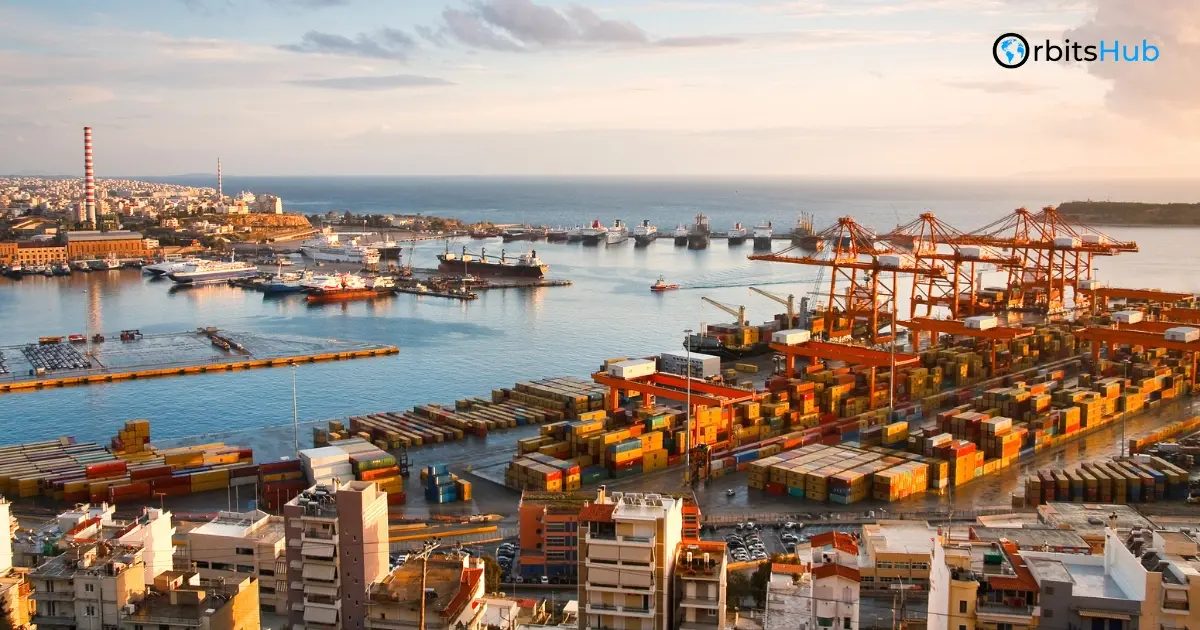
As Kattupalli Port grows, plans are underway to expand its capacity further. The port authorities are investing in additional cranes, expanding storage yards, and deepening the channel to accommodate larger vessels. These improvements aim to position Kattupalli as a central transshipment hub for South Asia, further optimizing its vessel schedule and operational efficiency.
Frequently Asked Questions
Kattupalli Port uses specialized facilities for various cargo types, including dedicated berths and equipment for containers, bulk, and liquid cargo. A sophisticated Terminal Operating System ensures real-time tracking and coordination, optimizing operations across all cargo types.
Kattupalli Port prioritizes sustainability through:
1. Electric RTG cranes will reduce emissions.
2. Comprehensive waste management and recycling
3. Regular environmental assessments
4. Renewable energy investments
5. Strict adherence to environmental standards
6. The team is committed to monitoring the quality of air and water.


