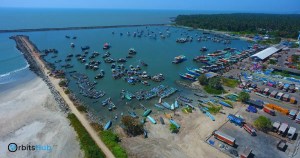
Serving As An Economic Lifeline
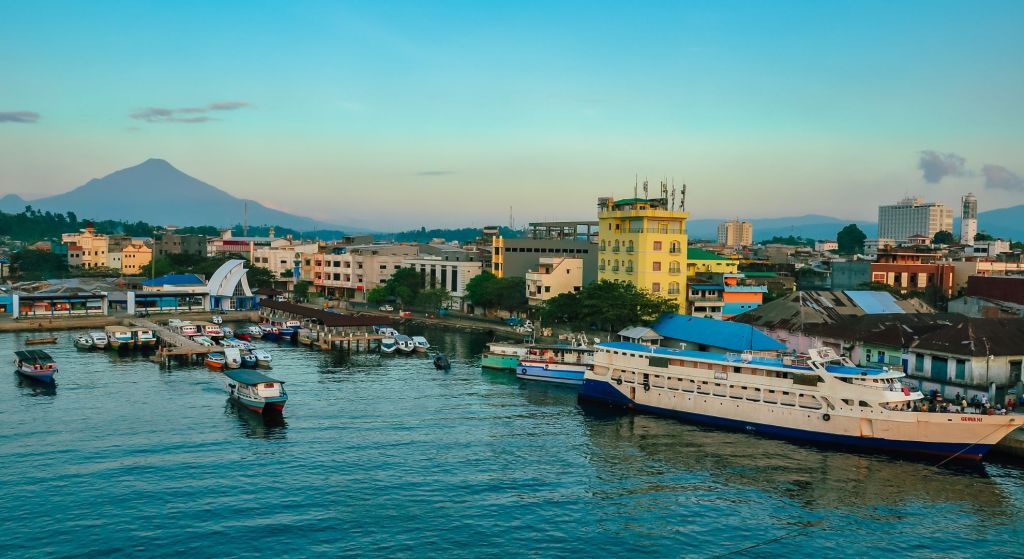
The Port facilitates brisk trade in an array of foodstuffs, urgently needed building materials, complex mining equipment, and high-demand consumer goods. For communities situated along the silvery Luapula River and inhabiting the trackless swaths of northern Zambia, reliable access to the steady flow of goods through the Nchelenge Port represents an indispensable economic lifeline. Indeed, without the vital trade and transportation linkages enabled by the Port’s operations, the impoverished local economy would assuredly collapse into dysfunction.
Critical for Sustaining Copperbelt Operations
However, the generally overlooked Port’s intrinsic value extends far beyond merely sustaining the primitive villages and market towns in its immediate vicinity. Primarily, Nchelenge Port provides the only logistically viable and economically rational route to expeditiously ship absolutely essential supplies, critical equipment, vital fuel stocks, and core extractive materials to and from Zambia’s famously lucrative Copperbelt mining complexes. The Copperbelt’s prodigious mineral endowment has long been fundamental to Zambia’s otherwise aid-dependent economy, responsible for over 70 percent of the country’s crucial export earnings. Thus, the normally diminutive and provisional Port of Nchelenge holds a staggeringly disproportionate role in perpetuating Zambia’s principal source of financial stability.
Enabling Regional Development

Moreover, the Zambian government has repeatedly identified Nchelenge Port as a foremost focal point for targeted regional infrastructure development. The latest ambitious plans envision a comprehensive suite of modernizations, including expanded cargo handling capacity via new loading facilities, enhanced port accessibility through multi-modal transport connections, plus auxiliary services such as warehousing and equipment maintenance. If actualized, experts forecast the slate of improvements could directly enable radically increased trade volumes through the Port. Perhaps more importantly, the realization of Nchelenge Port projects has the genuine potential to indirectly stimulate broader economic growth, attract outside investment, and meaningfully raise local living standards in Zambia’s perennially overlooked north and adjoining DRC border areas.
Overcoming Myriad Obstacles
However, for decades, the realization of Nchelenge’s ostensible potential as both a principal economic catalyst for northern Zambia and a copper industry support pillar has faced apparently insurmountable obstacles. Chiefly, the absence of adequate paved road links to mining areas has rendered trade flows via Nchelenge unduly restricted and unreliable. Additionally, the Port’s antiquated facilities and limited capacity for loading, unloading, and stockpiling goods remain starkly insufficient for current demands, let alone future increased commerce. Most critically, the Luapula River’s shifting conditions, uncertain navigability, and peremptory water levels essentially restrict meaningful efforts to improve Nchelenge’s inadequacies. For myriad reasons, the Zambian government has demonstrated an inability to address these complex hindrances to trade-based economic growth in the north, as officers often de-prioritize projects within marginalized areas.
The Promise of An Improved Nchelenge Port

In many aspects, the Port of Nchelenge exhibits merely a small fraction of its eventual weight as an economic anchor for northern Zambia and an indispensable auxiliary to copper mining interests. With the compulsory upgrades to facilities capacity and multi-modal transport connectivity, an improved Nchelenge Port could significantly bolster regional trade, reinforce stability in distant Katangan copper operations, and offer marginally more prosperity for destitute populations in one of Zambia’s most impoverished and least developed areas. For now, only the vision for an enhanced Nchelenge exists among optimistic government planners and wishful residents, patiently awaiting concrete action to maximize the Port’s latent potential. Once roused from inefficiency, the growing Port will assuredly facilitate previously inconceivable economic growth.
The Port of Nchelenge emerges as more than a mere geographical location; it is a living testament to the intertwined threads of history, culture, and economic vitality. As we navigate the depths of Lake Mweru and traverse the landscapes surrounding Nchelenge, the charm of this destination becomes palpable, inviting all to partake in the rich tapestry that defines the Port of Nchelenge.