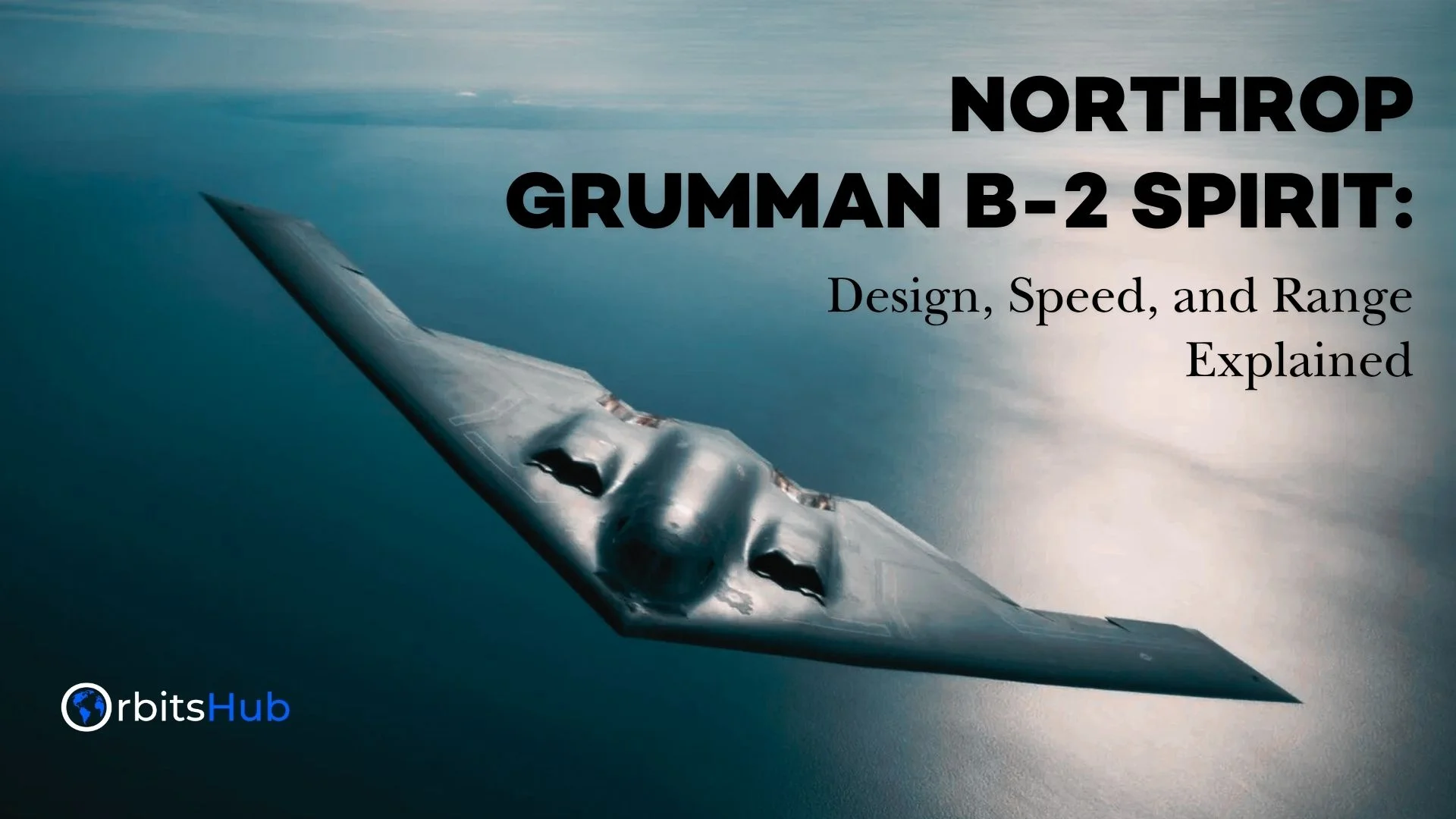
Silent, sleek, and nearly invisible, the Northrop Grumman B-2 Spirit represents a pinnacle of stealth and engineering mastery in modern aviation. For aviation industry professionals and defense decision-makers, understanding the B-2 Spirit’s design, speed, and operational range is not merely a technical interest it is a window into the advanced innovation shaping global air superiority.
As governments and technology leaders seek reliable, sustainable, and effective aviation solutions, the B-2 Spirit’s design philosophy and operational effectiveness remain highly relevant for shaping modern defense and aerospace strategies.
The Evolution of the B-2 Spirit
Stealth Roots and Strategic Purpose
The B-2 Spirit was conceived during the Cold War to deliver precise, strategic strikes while remaining undetected by radar defenses. This strategic bomber was designed to penetrate sophisticated anti-aircraft systems and reach high-value targets globally without escort, showcasing the intersection of stealth, technology, and mission-critical performance.
Shaping the Future of Stealth
Its unique role in modern air operations continues to inspire aviation technology innovators and government defense planners who aim to balance performance with reduced detection across evolving threat environments.
Innovative Design of the B-2 Spirit
Aerodynamic Shape and Low Observability
At the core of the B-2 Spirit’s effectiveness lies its distinct flying wing design. Without a conventional tail or fuselage protrusions, the aircraft minimizes its radar cross-section while maintaining aerodynamic stability.
- The smooth, curved surfaces reduce radar returns, making detection from ground-based systems exceptionally challenging.
- Advanced composite materials and radar-absorbent coatings further contribute to its stealth profile, enabling the B-2 to fly deep into contested airspace with reduced risk.
Integrated Systems and Avionics
The B-2’s design includes highly advanced avionics and fly-by-wire systems, allowing for:
- Precise flight control despite its unconventional shape.
- Seamless integration of mission systems for real-time updates during flight.
- Advanced threat detection and avoidance technologies.
These elements showcase a holistic design philosophy essential for aviation professionals analyzing high-value mission platforms.
Speed and Performance Capabilities
Subsonic but Swift
While the B-2 Spirit is not a supersonic bomber, it maintains a high subsonic speed (~628 mph) that enables efficient long-range operations without sacrificing fuel efficiency or stealth.
This speed allows:
- Rapid repositioning across theaters of operation.
- Time-sensitive strike capabilities.
- Sustained stealth while avoiding detection triggers associated with sonic booms.
For technology innovators and defense consultants, this balance between subsonic design and efficiency remains relevant when evaluating aircraft for their effectiveness in achieving mission objectives.
Range and Global Reach

Extended Operational Range
One of the B-2 Spirit’s defining attributes is its impressive operational range of over 6,000 nautical miles, unrefueled, with capabilities further extended through aerial refueling.
This enables:
- Non-stop flights to nearly any target worldwide from bases in the continental United States.
- Global strike capabilities that align with rapid-response strategies.
- Reduced need for forward-deployed forces, enhancing sustainability in operations.
Mission Flexibility
The B-2 Spirit’s long-range capabilities allow it to:
- Conduct strategic deterrence missions.
- Support tactical operations with precision-guided munitions.
- Adapt to emerging mission profiles, including electronic warfare and intelligence operations.
For government and defense officials planning future air strategy, this level of mission flexibility provides a significant operational advantage.
Why the B-2 Spirit Still Matters
Strategic Value in Modern Defense
Despite its initial entry into service decades ago, the B-2 Spirit remains critical within the U.S. Air Force’s Global Strike Command due to its unique capabilities:
- Penetrating advanced air defense networks.
- Executing precision strikes under the cover of stealth.
- Supporting strategic deterrence and peacekeeping missions globally.
Inspiration for Aviation Sustainability
While primarily a defense platform, the B-2’s design approach provides valuable insights for sustainability advocates in aviation:
- Aerodynamic efficiencies that reduce fuel consumption.
- Reducing weight through the use of modern composite materials.
- Reduced operational footprints through extended range and endurance.
These insights can inspire corporate decision-makers and technology leaders seeking to develop future aviation systems that strike a balance between operational capability and environmental considerations.
Challenges and Future Considerations
Maintenance and Technological Upgrades
Operating the B-2 Spirit requires:
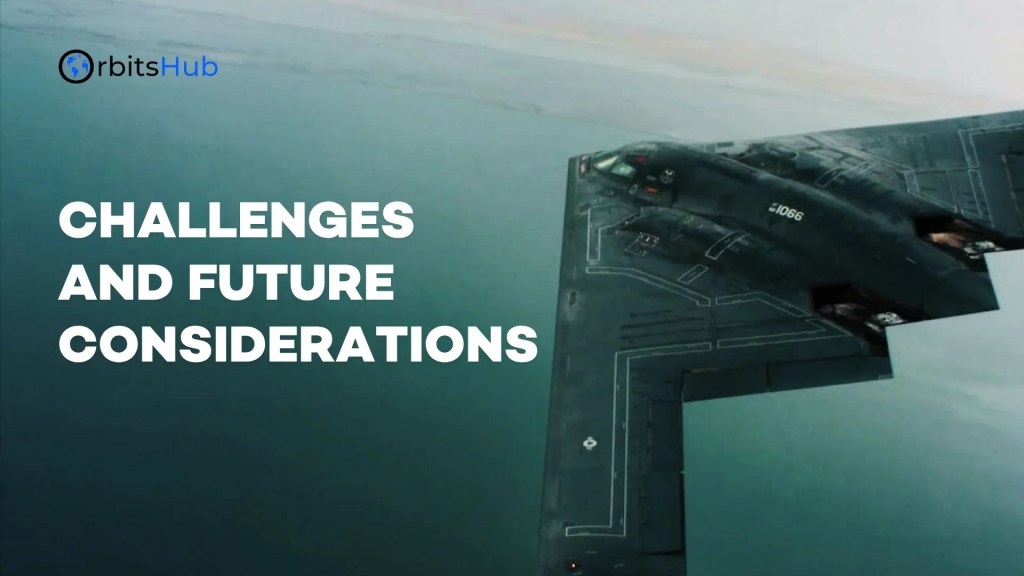
- Advanced maintenance procedures to preserve stealth coatings and structural integrity.
- Regular upgrades to avionics and mission systems to counter emerging threats.
- Ongoing evaluation of radar signature reduction technologies.
Integration with Future Platforms
The planned introduction of next-generation stealth bombers and unmanned systems will complement the B-2 Spirit’s role while expanding global reach and responsiveness for advanced air forces.
For aviation consultants advising government and private stakeholders, understanding how the B-2 integrates within evolving fleet structures is essential for strategic planning.
B-2 Spirit: Shaping Future Aerospace Design
The Northrop Grumman B-2 Spirit exemplifies advanced aviation innovation, striking a balance between stealth, speed, and global range to deliver unmatched strategic capabilities. Its unique flying wing design, effective subsonic speed, and extended operational range continue to inform decisions across the aviation industry and defense sectors.
For aviation professionals, government planners, and sustainability advocates, the B-2 Spirit serves not only as a symbol of technological mastery but also as a reference for creating future aviation solutions that align performance, efficiency, and mission effectiveness.
As you explore advanced aviation consultancy opportunities or design the next generation of aerospace platforms, the enduring legacy of the B-2 Spirit provides a clear reminder: precision engineering, strategic foresight, and sustainable operational models are the pillars upon which effective aviation solutions are built.
FAQs
1. What makes the Northrop Grumman B-2 Spirit stealthy?
Its flying wing design, radar-absorbent materials, and curved surfaces reduce radar detection, allowing it to penetrate advanced defenses undetected.
2. How far can the B-2 Spirit fly without refueling?
Unrefueled, the B-2 Spirit can reach global targets from the U.S. Aerial refuelling extends its range above 6,000 nautical miles.