Port Jackson
Sydney Harbour, or Port Jackson, is among the world’s most beautiful natural harbors. A ria or a drowned river valley, it boasts 19 kilometers in length and 55 square kilometers in area. With a total volume of 562 million cubic meters at high tide, it forms an integral part of New South Wales, Australia.
Geographical Details

Port Jackson’s geographical construct includes the water bodies of Middle Harbour, North Harbour, and the estuaries of Parramatta River and Lane Cove River. The harbor extends from a single entrance, known as Sydney Heads, encompassing all tidal waters within its branches.
The Islands of Port Jackson
The harbor is home to several islands, including Shark Island, Clark Island, Fort Denison, Goat Island, Cockatoo Island, Spectacle Island, Snapper Island, and Rodd Island. Some former islands, such as Garden Island and Glebe Island, have been connected to the mainland due to land reclamation.
History of Port Jackson
The history of Port Jackson is rich and diverse. The area was home to Aboriginal clans for thousands of years before European arrival. The first recorded European discovery of Sydney Harbour was by Lieutenant James Cook in 1770. Cook named the inlet after Sir George Jackson, an Admiralty secretary.
First European Settlement
In 1788, Port Jackson saw the arrival of the First Fleet. Governor Arthur Phillip, upon arriving at Botany Bay, explored the coast and examined Cook’s Port Jackson. On 26 January 1788, Phillip established the first colony in Australia, marking the birth of Sydney city.
The Working Harbour
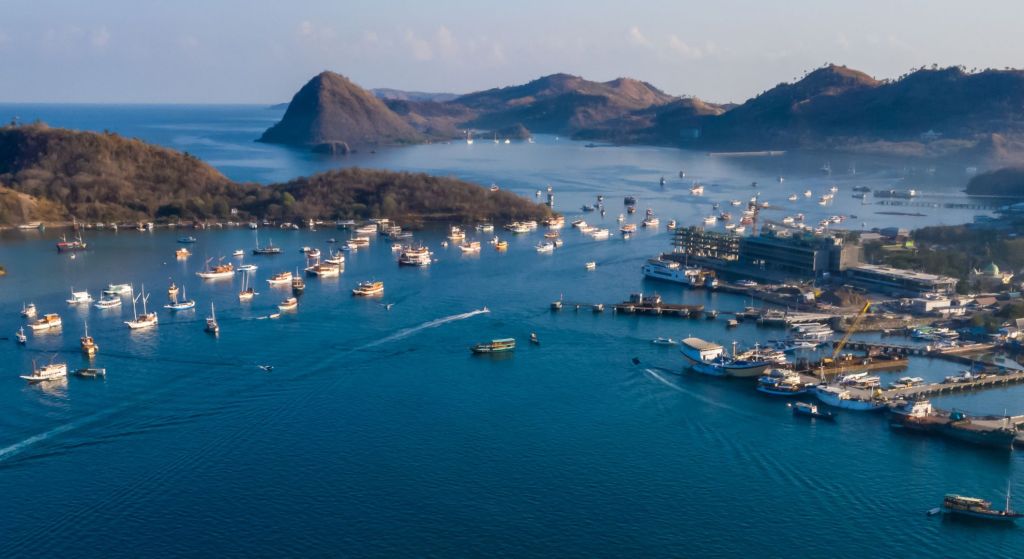
Port Jackson is not just a tourist attraction; it’s a bustling working harbor. It sees thousands of recreational, passenger, and commercial vessels each year, making it Australia’s busiest waterway. A thriving maritime industry supports the city’s economic development, with Glebe Island playing a crucial role as a maritime supply route for Sydney’s future construction materials.
Iconic Landmarks
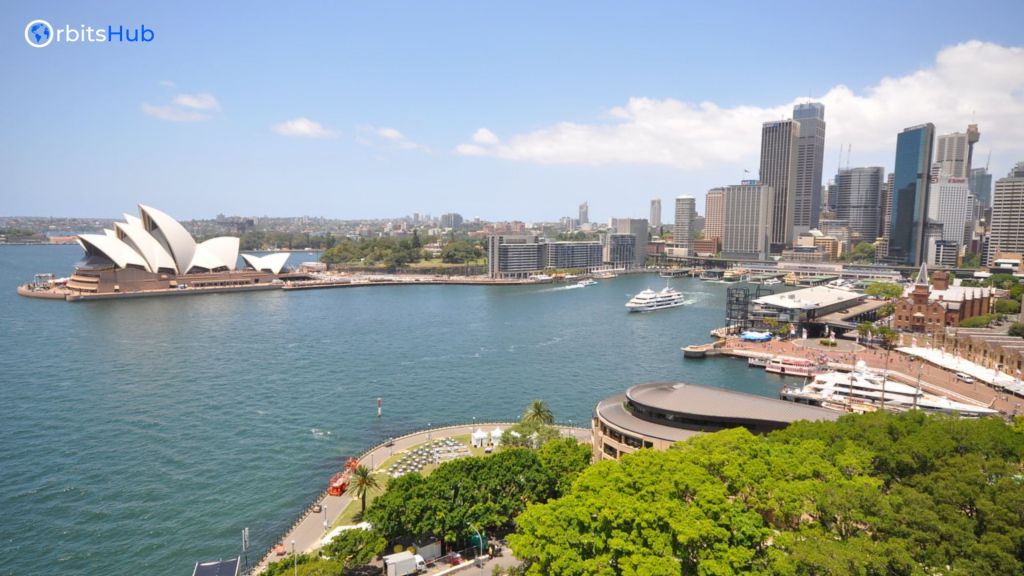
Sydney Harbour is home to some of the world’s most iconic landmarks. The Sydney Opera House, with its unique design resembling billowing sails, and the Sydney Harbour Bridge, one of the world’s largest steel-arch bridges, are masterpieces that grace the harbor’s shores.
Recreation and Events
Many recreational events revolve around the harbor, particularly Sydney’s New Year’s Eve celebrations. The harbor also marks the starting point of the Sydney to Hobart Yacht Race. Island, foreshore, swimming, bushwalking, and picnic areas are all protected in Sydney Harbour National Park. This makes it a popular place for both locals and tourists.
Ferries and Cruises

Ferries have been a part of Sydney’s lifestyle since the earliest days of the colony. Today, they offer one of the most pleasurable ways to explore the harbor. Luxury cruises, such as The Jackson, offer an unmatched experience of sophistication and elegance on Sydney’s magnificent harbor.
Defence and Fortifications
Several fortifications, such as Fort Denison, were built to defend Sydney from potential attacks. These heritage-listed fortifications, some dating back to the 1830s, add historical depth to the harbor’s landscape.
Climate
Port Jackson experiences a humid subtropical climate, with warm summers, mild winters, and moderate rainfall spread throughout the year. Because it is close to the Tasman Sea, it is a little cooler, wetter, and windier than other parts of Sydney.
A Natural Wonder: The Geology of Port Jackson
Port Jackson is more than just a stunning harbor; it’s a geological marvel. Formed over millions of years, the harbor’s unique shape results from a complex interplay of natural forces.
- Ancient Formation: The harbor began as a river valley slowly submerged by rising sea levels.
- Glacial Impact: During the Ice Age, glaciers carved out the land, creating the deep channels and coves that characterize the harbor.
- Sedimentary Rocks: The surrounding area is composed primarily of sandstone, which is relatively soft and easily eroded, contributing to the harbor’s distinctive shape.
- Headlands and Bays: The harbor’s dramatic headlands and sheltered bays result from differential erosion, with the softer sandstone eroding more quickly than the more complex rock formations.
The geology of Port Jackson has not only shaped its physical appearance but also influenced the development of Sydney as a city. The deep, protected waters provided a haven for early settlers and continued to support a thriving maritime industry.
Indigenous Heritage: Dreamtime Stories of the Harbor
For thousands of years before European settlement, the Gadigal people, a clan of the Eora Nation, called the Port Jackson region home. Their deep spiritual connection to the land and water is reflected in their Dreamtime stories.
- Creation Stories: Aboriginal mythology tells how ancestral beings formed the land and its creatures.
- Spiritual Significance: The harbor was considered sacred, teeming with life and spiritual power.
- Traditional Owners: The Gadigal people had a deep understanding of the harbor’s ecosystem and its resources.
- Cultural Survival: Despite the challenges of colonization, Indigenous culture continues to thrive, and efforts are being made to preserve and share Dreamtime stories.
Understanding the Indigenous heritage of Port Jackson is essential to appreciating the full richness of this iconic location. It’s a reminder of the land’s history and the enduring connection of its First Nations people to the harbor.
Wildlife and Marine Life: A Vibrant Ecosystem
Port Jackson is home to diverse wildlife, both on land and in the water. The harbor’s unique ecosystem supports a thriving community of plants and animals.
- Marine Life: The harbor’s waters teem with fish, dolphins, seals, and marine invertebrates.
- Birdlife: The surrounding coastal areas provide habitat for numerous bird species, including sea eagles, pelicans, and cormorants.
- Unique Species: Some species, such as the Sydney rock oyster and the Sydney blue gum, are endemic to the region.
- Conservation Efforts: Protecting the harbor’s delicate ecosystem is crucial to preserving its biodiversity.
The abundance of wildlife in and around Port Jackson is a testament to the harbor’s health and vitality. Efforts to conserve and protect this natural treasure are essential for future generations.
Challenges and Conservation: Protecting Port Jackson
Port Jackson faces several environmental challenges that threaten its delicate ecosystem. Balancing the needs of a growing population with the preservation of the harbor is a complex task.
- Pollution: Runoff from urban areas, industrial activities, and maritime operations can degrade water quality and harm marine life.
- Habitat Loss: Coastal development and infrastructure projects can lead to the loss of critical habitats for wildlife.
- Climate Change: Rising sea levels, changes in temperature, and more frequent extreme weather events pose significant risks to the harbor.
- Invasive Species: Non-native plants and animals can disrupt the ecosystem’s natural balance.
Despite these challenges, numerous conservation efforts are underway to protect Port Jackson. These initiatives include water quality monitoring, habitat restoration, and public education campaigns. By working together, communities, government agencies, and individuals can help ensure this iconic harbor’s long-term health and vitality.
Economic Lifeline: Port Jackson’s Role in Sydney’s Prosperity
Port Jackson has been a vital economic engine for Sydney since its founding. The harbor’s strategic location, deep waters, and natural beauty have contributed to the city’s growth and development.
- Trade and Commerce: Port Jackson is a central international shipping hub, facilitating trade and commerce.
- Tourism: The harbor’s stunning scenery attracts millions of visitors yearly, supporting a thriving tourism industry.
- Recreation: The harbor provides opportunities for various recreational activities, including boating, fishing, and swimming.
- Job Creation: The maritime industry, tourism, and related businesses generate employment for thousands of people.
Port Jackson continues to play a crucial role in Sydney’s economy, and its importance will likely grow. Sustainable development and management of the harbor are essential to ensuring its continued prosperity.
Port Jackson is more than just a harbor; it’s a testament to Sydney’s rich history, vibrant culture, and breathtaking natural beauty. Whether you’re a local or a visitor, exploring Sydney Harbour is an experience that transcends the ordinary and ventures into the extraordinary. From its iconic landmarks to its bustling maritime industry, every aspect of Port Jackson tells a story of a city that is as diverse as it is captivating.