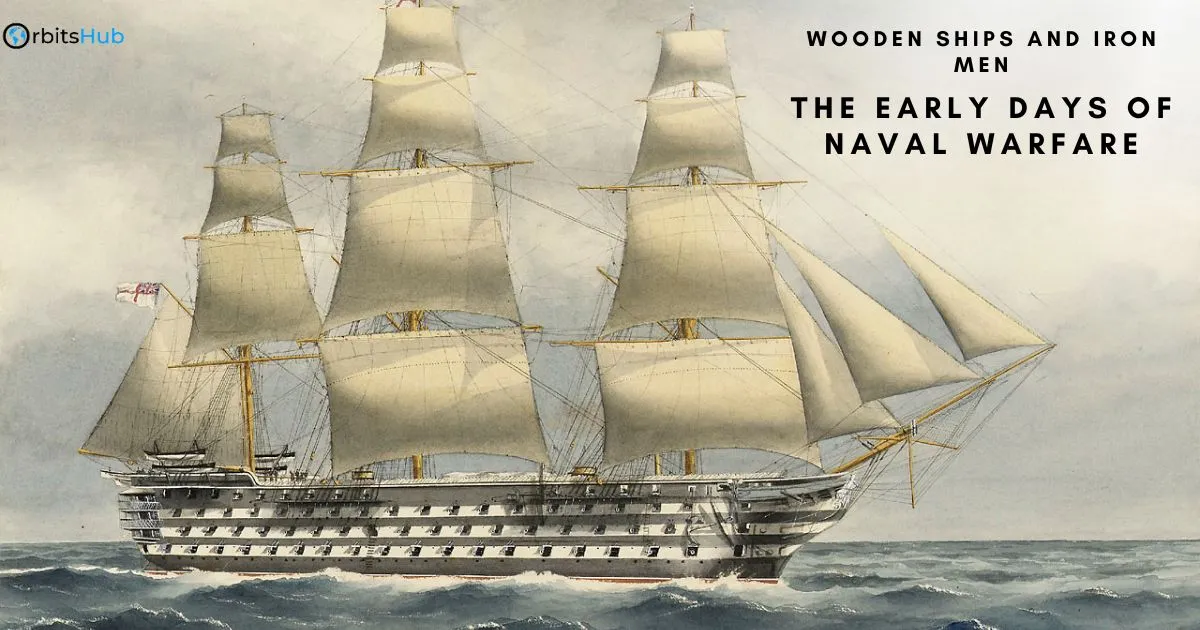
Naval warfare has been a defining element of human history, shaping the course of empires, determining the fate of nations, and influencing global trade routes. In its early days, naval combat was a brutal and dangerous endeavor characterized by wooden ships and iron men—mariners who braved the unknown seas, armed with little more than courage and primitive weaponry. The evolution of naval tactics and technology from this era laid the groundwork for modern naval forces, making it a fascinating subject for historians and enthusiasts alike.
The Origins of Naval Warfare
The origins of naval warfare can be found in prehistoric societies that recognize the strategic importance of controlling their rivers for trade, exploration, and military supremacy. Early naval combat primarily involved small, oar-driven vessels by the Egyptians, Greeks, and Phoenicians. These early battles were often fought close to shore, where ships would attempt to ram each other or engage in close-quarters combat using boarding parties.
Ancient Naval Powers
- Egyptians: The ancient Egyptians were among the first to recognize the strategic importance of naval power. They developed a fleet of ships to patrol the Nile and the Mediterranean Sea, protecting their trade routes and securing their empire’s borders.
- Greeks: The Greeks took naval warfare to the next level with the development of the trireme, a fast and maneuverable ship powered by rows of oarsmen. One of the earliest instances of the naval strategy utilized to attain a decisive victory was the Battle of Salamis in 480 BCE when the Greek fleet triumphed over the considerably bigger Persian navy.
- Phoenicians: The Phoenicians were master shipbuilders and navigators, establishing trade routes across the Mediterranean. Their naval expertise allowed them to build a vast network of colonies and trade outposts, contributing to their economic and military power.
The Rise of Wooden Warships
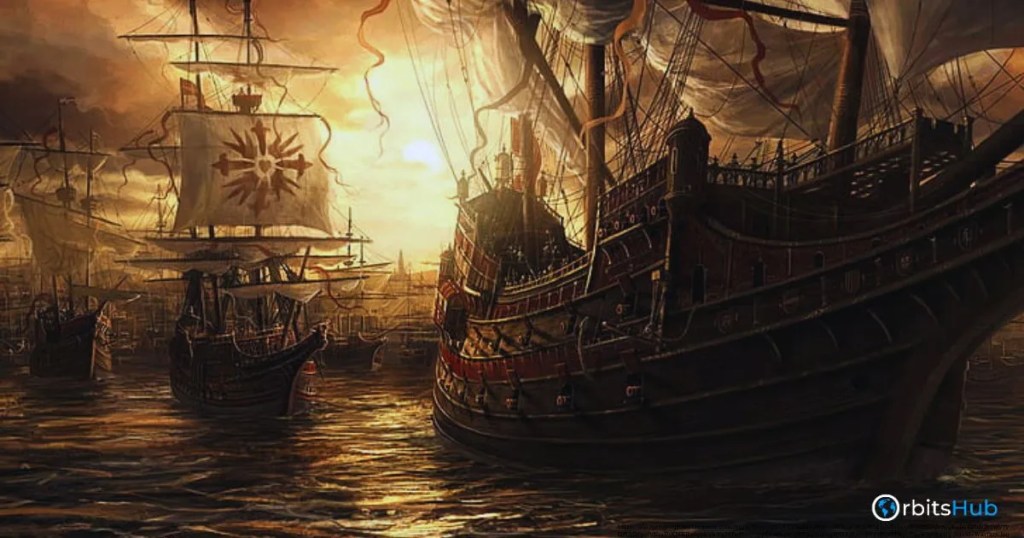
The evolution of wooden warships was a turning point in naval warfare. These ships, often large and heavily armed, became the backbone of maritime fleets for centuries. The development of the sail allowed these vessels to travel greater distances, while advancements in shipbuilding techniques improved their durability and combat effectiveness.
The Age of Sail
The Age of Sail, roughly from the 16th to the mid-19th century, was mark by the dominance of sailing ships in naval combat. During this period, European powers like Spain, England, France, and the Netherlands built vast warships to protect their overseas colonies and trade interests.
- Spanish Galleons: The Spanish warship was powerful, having cannons and a huge cargo capacity. The mythical Spanish Armada, which invaded England in 1588, relied on these ships.
- English Ships of the Line: The first direct-combat vessel was the English ship of the line. English victory at Trafalgar in 1805 is consider the apex of ship-of-the-line warfare.
- Dutch Fluyts: The Dutch Fluyt was a versatile merchant ship that could be easily convert into a warship. The Dutch used these ships to protect their extensive trade network and challenge Spain and England’s naval dominance.
Naval Tactics and Strategies
Naval tactics evolved significantly during the Age of Sail, with battles often decided by the captain’s skill and the crew’s discipline. Some of the key tactics included:
- Line of Battle: Ships would form a single line. This allows them to bring their broadsides to bear on the enemy simultaneously. This tactic required precise maneuvering and coordination.
- Crossing the T: This maneuver required positioning a ship’s line to cross the enemy’s line. Allowing attacking ships to fire their broadsides once lines had intersected. In contrast, the enemy could only respond with their forward guns.
- Boarding Actions: Despite the development of long-range cannons, many naval battles still involved close-quarters combat. Crews would board enemy ships to engage in hand-to-hand fighting, which required bravery and brutality.
The Iron Men: Sailors and Officers
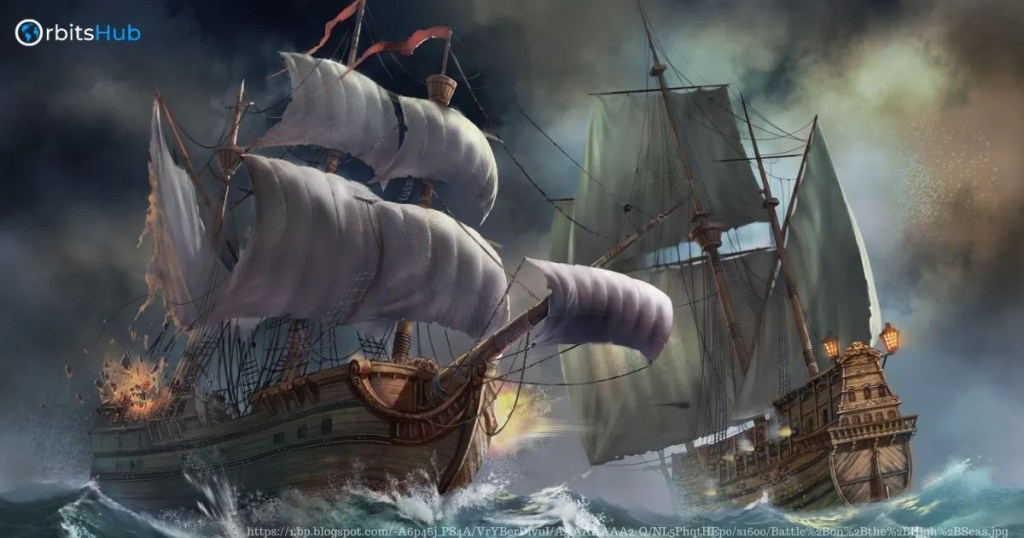
The men who sailed the wooden ships were just as important as the ships in naval warfare during that era. Sailors and officers had to endure harsh conditions, long voyages, and the ever-present threat of battle. Their experiences and actions often determined the outcome of naval engagements.
Life at Sea
Life aboard a wooden warship was challenging. Sailors lived in cramped, unsanitary conditions, often months without fresh food or water. Discipline was strict, with harsh punishments for those who disobeyed orders. Despite these hardships, sailors developed a strong sense of camaraderie forged by shared experiences and the constant dangers they faced.
- Diet and Health: The diet of a sailor was notoriously poor. They mainly consumed hardtack (a type of biscuit), salted meat, and rum. Before citrus fruits were recognize for their vitamin C content, scurvy was a prevalent disease.
- Discipline and Punishment: Discipline on board was maintain through a strict code of conduct. Punishments for infractions were severe, ranging from flogging to keelhauling, where a sailor was dragged under the ship’s hull.
- Navigation and Seamanship: Sailors had to be skill in navigation. They used tools like the sextant and the compass to find their way across the oceans. Seamanship, the art of managing a ship and its crew, was crucial for survival in the often treacherous waters.
Notable Figures in Naval History
In the early days of naval warfare, they produced many legendary figures whose leadership and bravery set them apart. These men became symbols of their nations’ naval power and are still remember today.
- Horatio Nelson: Admiral Horatio Nelson is perhaps the most famous naval officer in history. His leadership during the Battle of Trafalgar secured a decisive victory for the British. This victory ensured their naval supremacy for over a century.
- Francis Drake: Privateer and naval captain Sir Francis Drake was famous for defeating the Spanish Armada. He is also known for circumnavigating the world.
- Jean Bart: Jean Bart was a French naval officer and privateer known for daring raids against the Dutch and English during the late 17th century. His exploits made him a national hero in France.
The early days of naval warfare were a time of great innovation, bravery, and strategic development. The wooden ships laid the foundation for modern naval forces with their wooden hulls and ironmen crews. Their legacy influences naval tactics and technology today. The impact of maritime power on our planet can be better grasp when we reflect on this intriguing historical era.
If you’re interest in exploring the complexities of modern maritime operations, consider reaching out to Orbitshub, a leading maritime services company. Whether navigating the high seas or managing maritime assets, Orbitshub offers the expertise and support you need to succeed.