Understanding Zambia’s Economy
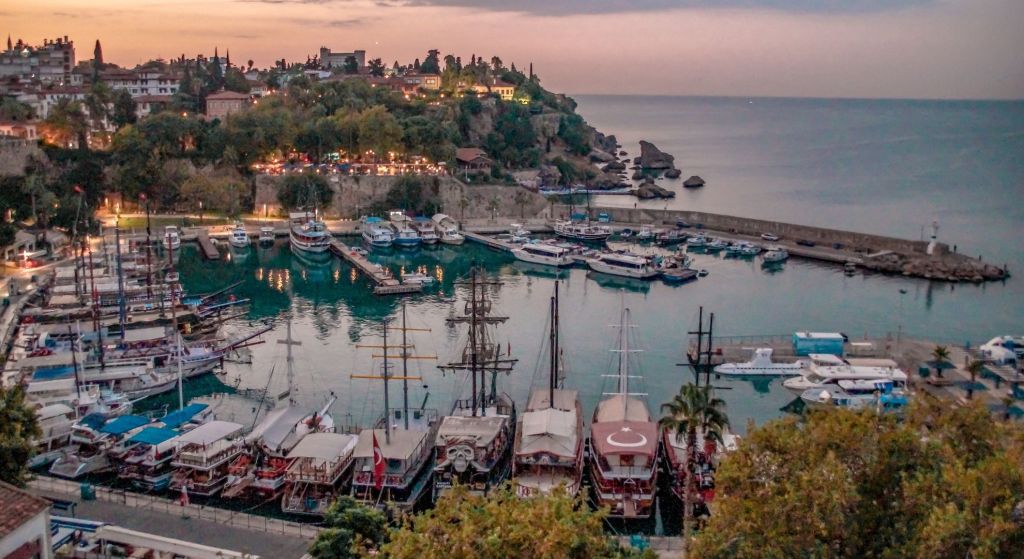
Before we delve into the specifics of the Port of Mulambwa, it’s imperative to understand Zambia’s economic context. The Zambian economy has traditionally been anchored on copper mining and agriculture. However, the late 1990s saw a dip in copper prices, leading to economic instability and subsequent privatization of many industries. Since 2007, Zambia’s economy has been on the rise, thanks to diversification efforts focusing mainly on travel, tourism, hydropower, and agricultural reforms. Despite this growth, a significant portion of Zambia’s population still lives in extreme poverty.
The Role of Ports in Zambia’s Economy
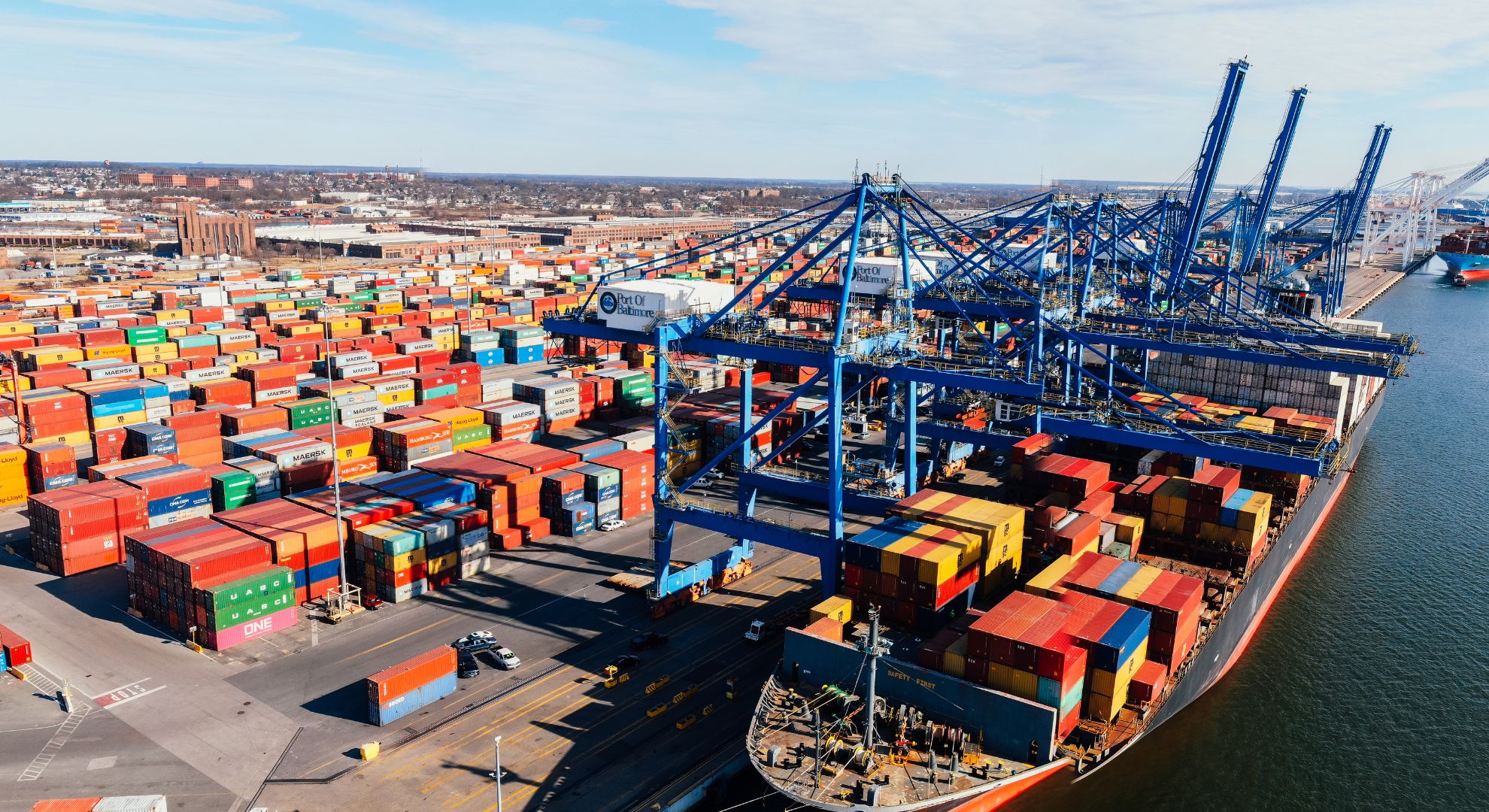
Zambia’s ports play a crucial role in fueling the country’s economic engine. Given that Zambia is a landlocked country, its inland and dry ports provide critical gateways for the import and export of goods. These ports also serve as hubs for goods transportation within their respective regions, offering direct shipping connections with other countries.
Port of Mulambwa
History
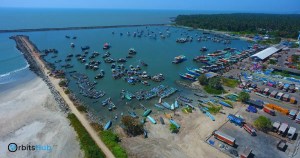
Situated on the Zambezi River, the Port of Mulambwa holds a significant place in Zambia’s economic history. It was originally designed to handle cargo destined for Kalabo, a district in western Zambia. Originally serving as a harbor for smaller fishing boats and river barges, the port has now grown into Zambia’s second busiest port.
Characteristics

Connectivity issues due to the lack of all-weather roads present a formidable challenge for the Port of Mulambwa. Nevertheless, the port continues to play a critical role in Zambia’s trade ecosystem.
Future Plans
Plans are afoot to build a highway that will link the Kalabo district to Mulambwa harbor in an effort to increase regional trade between Zambia, Angola, and other nearby nations. This infrastructural development is expected to significantly enhance the port’s operational efficiency and cargo handling capacity.
Other Noteworthy Ports in Zambia
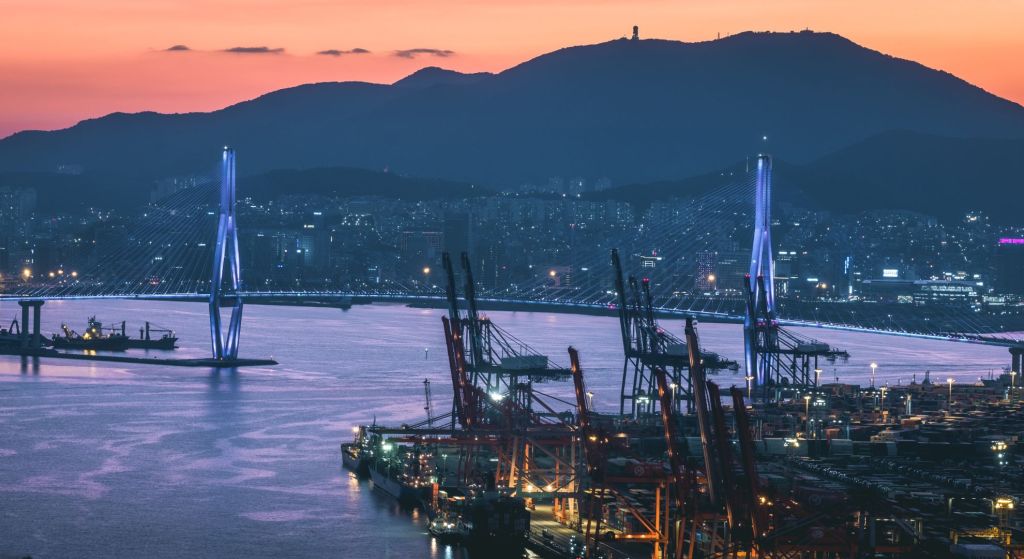
Zambia’s economic landscape is dotted with several other ports that are worth mentioning, including the Port of Mpulungu, Tazara Dry Port, Port of Nchelenge, Siavonga Harbour, Zambian Dry Port in Walvis Bay, and Samfya Port.
The Port of Mulambwa, along with other Zambian ports, serves as a significant pillar of Zambia’s economy. Despite being a landlocked nation, Zambia has efficiently leveraged these ports to forge vital links to global trade routes. This strategy ensures the smooth flow of goods within the country and beyond, further contributing to the country’s growth and development.
In the years to come, the Port of Mulambwa and its counterparts will continue to play an instrumental role in shaping Zambia’s economic trajectory. The ongoing and future development plans for these ports are a testament to this fact as Zambia continues to strive for economic prosperity.