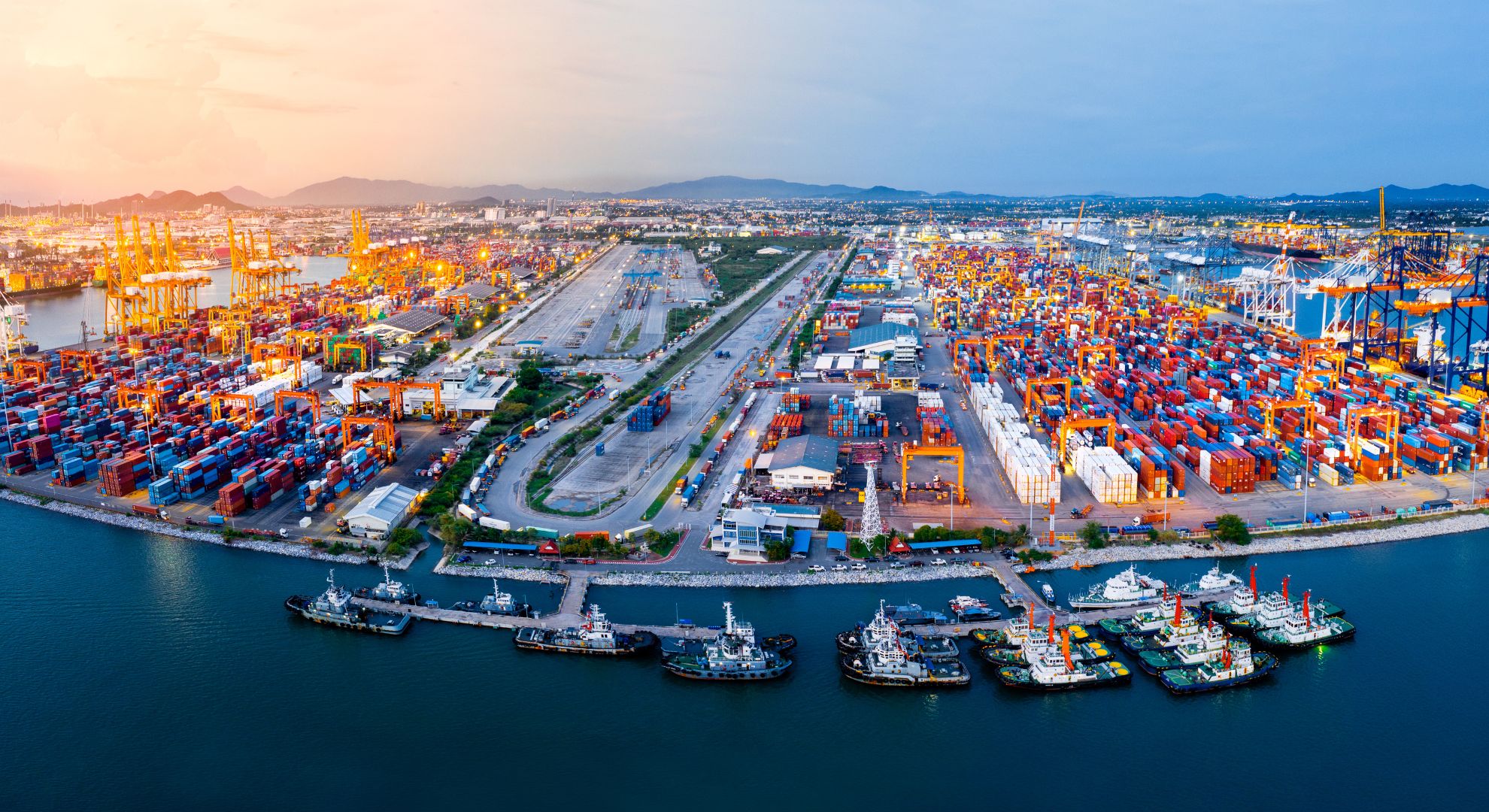

History of the Port of Poole
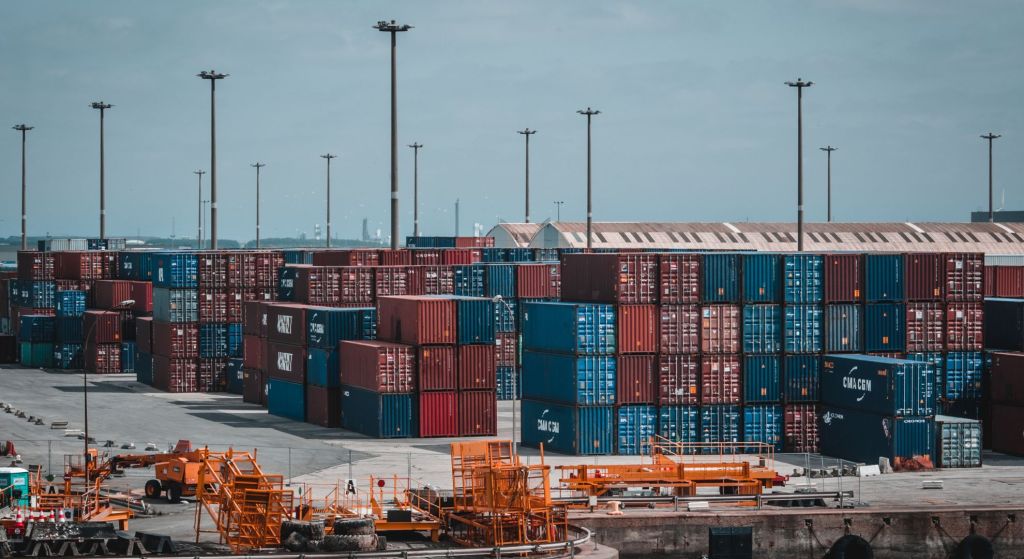
The Port of Poole has a rich history that dates back to World War II. It played a significant role during the Normandy landings, a significant military operation during the war. More recently, in 2017, it became the resting place for the last known Mark 4 landing craft tank, LCT 728, discovered in the Harbor alongside another unidentified Mark 3, possibly the LCT(4) 510. These vessels were repurposed as floating barges in the 1950s.
In November 2020, the Port set up a flu vaccination service, demonstrating its commitment to public health. In addition to this, the Port received £86,000 to assist with the Brexit transition period, highlighting its importance in the UK’s trade and logistics.
December 2020 saw reports that the Bournemouth, Christchurch, and Poole Councils were preparing a bid for the Port to obtain free Port status following Brexit. This move would designate the Port as a special economic zone, including Bournemouth Airport.
Fast forward to April 2021, the Port implemented measures to deal with the COVID-19 pandemic, setting up equipment at the cruise terminal. By November 2023, a £2.2m border control post at the Port of Poole was completed.
Economy and Trade
The Port of Poole plays a crucial role in the local economy, serving as a major destination for cruising and international trade. It facilitates the import and export of cargo, contributes significantly to the fishing industry, and accommodates both Brittany Ferries and Condor Ferries.
However, the Port has also been a target for illegal immigration into the United Kingdom, leading local MP Robert Syms to call on the government and the Minister of State for Immigration for additional resources.
Transportation and Services
Offering a range of services, the Port is a vital link in the transportation chain. The Port is used by Brittany Ferries, with the ferry crossing to Cherbourg in France being the shortest crossing of Brittany Ferries. Even though the COVID-19 pandemic meant that services to Cherbourg had to be canceled in the summer of 2020, freight services have continued to do well.
Condor Ferries also operate from the Port, offering services to the Channel Islands. For passengers commuting, the Port of Poole uses Optare Metro Riders. The Port also houses a Border Force Post, ensuring the security and control of the UK’s borders.
Future Developments

Looking ahead, the Port of Poole has significant plans for the future. The Port aims to increase cruise calls to up to 40 over the next five years and has aspirations to become the UK’s number one super yacht destination.
Additionally, the Port has invested in a new harbor crane and plans to substantially increase bulk and project cargo volumes over the next five years. This is in line with the success of the recently completed South Quay.
Exploring the Vessels and Maritime Activity at the Port of Poole
The maritime activity at the Port of Poole is diverse, with various vessels calling the port home. From cargo ships to fishing boats and even the last known Mark 4 landing craft tank, LCT 728, the Port is a hive of maritime activity.
The Port of Poole is a hub for ferry services, with Brittany Ferries and Condor Ferries operating regular services. These services are very important for connecting the UK to the rest of Europe because they go to France, the Channel Islands, and other places.
Exploring the Islands and Geography of Poole Harbour
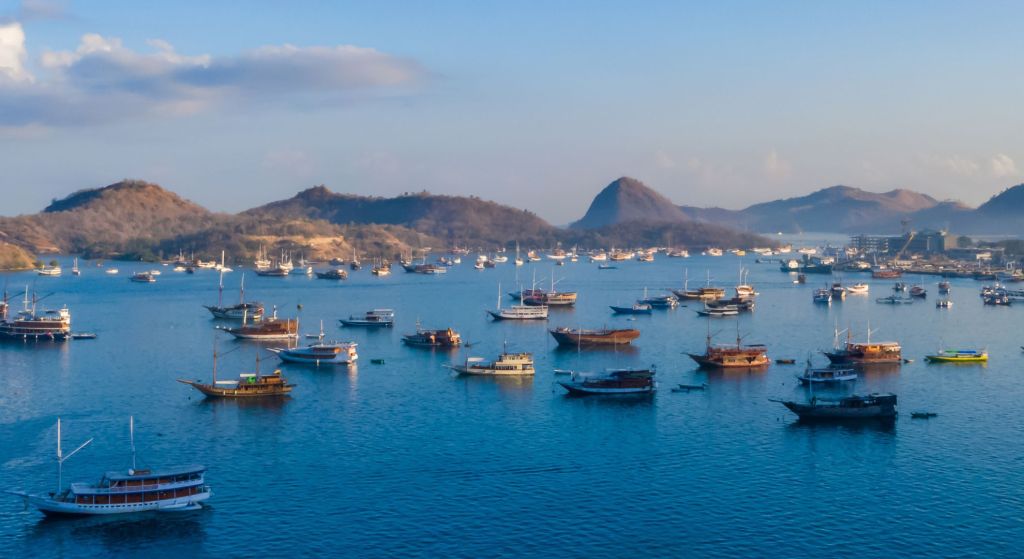
Poole Harbour hosts several islands, including Brownsea Island, Furzey Island, Green Island, Long Island, and others. Each of these islands contributes to the unique geographical and ecological landscape of the Harbour.
The Ecological Importance of Poole Harbour
The Harbour is a designated site of international importance for wildlife conservation. It is home to several nature reserves, including the internationally significant Studland and Godlingston Heath National Nature Reserve. The Harbour is also home to various bird species in internationally significant numbers, including common shelduck, pied avocet, and black-tailed godwit.
Urbanisation and Development of the Port of Poole
Over the years, the Port of Poole has undergone significant urbanization and development. It has seen an increase in private ownership of pleasure vessels, leading to a rise in maritime-oriented businesses. The Harbour’s popularity for leisure activities like water skiing, wakeboarding, windsurfing, and kitesurfing has also increased.
The Port of Poole is a significant player in the trade, transportation, and leisure sectors in the South West of England. Its rich history, combined with its continued importance in the present day, makes it a fascinating subject of exploration. Whether you’re interested in maritime history, ecology, or the complexities of trade and transportation, the Port of Poole has something to offer.