A Vital Economic Artery for Brazil
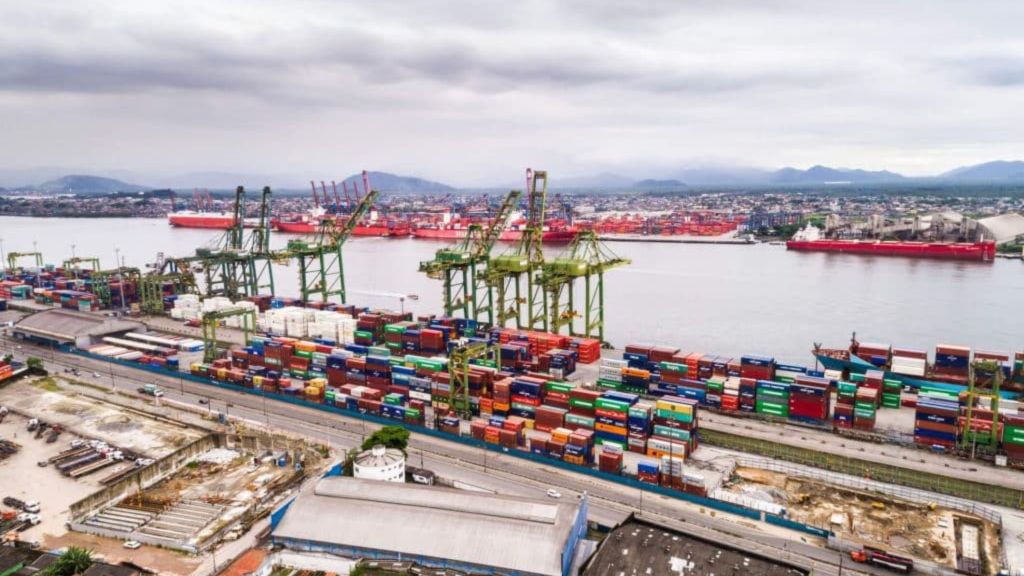
The Port of Santos is more than just a gateway; it is a beating heart that pumps lifeblood into Brazil’s economic veins. As the largest and most pivotal port complex in Latin America, it serves as a crucial nexus for the country’s exports and imports, handling an astonishing volume of cargo that spans from agricultural commodities to manufactured goods.
The Port’s Rich History
Tracing its Roots: From Colonial Settlement to Modern Powerhouse
The origins of the Port of Santos can be traced back to the 16th century, when the Portuguese established a small settlement on the island of São Vicente. Over the centuries, this humble outpost blossomed into a thriving port city, driven by the insatiable demands of global trade. Today, the Port of Santos stands as a towering emblem of Brazil’s maritime prowess, a testament to the nation’s ability to transform humble beginnings into industrial titans.
Geographical Advantage
Strategically Situated on the Atlantic Coast
The Port of Santos owes much of its success to its strategic location, nestled along the Atlantic Coast in the heart of Brazil’s most populous and industrialized region. This advantageous positioning grants the port unparalleled access to the country’s vast hinterland, facilitating the seamless movement of goods to and from the sprawling metropolises of São Paulo and Rio de Janeiro.
Cargo Operations
Moving Mountains: Handling Brazil’s Exports and Imports
At the core of the Port of Santos lies a well-oiled cargo handling machine, a complex network of terminals, berths, and logistics operations that ensure the efficient movement of goods. From the gleaming holds of colossal container ships to the cavernous bellies of bulk carriers, this maritime behemoth deftly manages a staggering array of exports and imports, ranging from coffee and soybean to automobiles and heavy machinery.
Container Terminals
Efficient Hubs for Global Trade
The Port of Santos boasts an impressive array of state-of-the-art container terminals, each a meticulously designed hub for the seamless transfer of containerized cargo. These facilities are equipped with the latest technologies, including towering gantry cranes and automated systems, ensuring the swift and efficient handling of millions of TEUs (Twenty-foot Equivalent Units) annually.
Breakbulk and Bulk Cargo
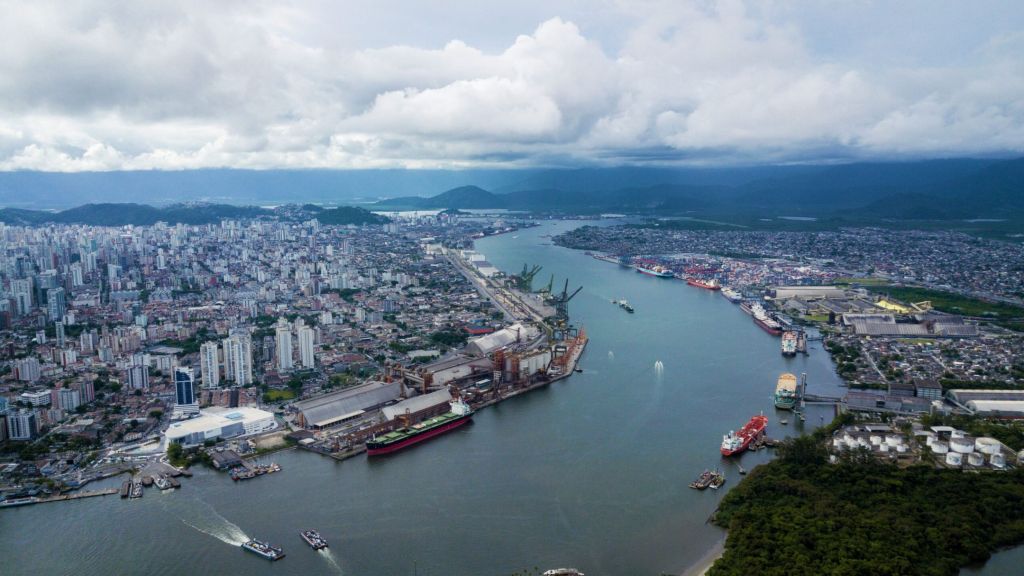
Powerhouse for Raw Materials and Industrial Goods
While containers dominate the port’s operations, the Port of Santos is equally adept at handling breakbulk and bulk cargo. Its specialized terminals are outfitted to accommodate the unique demands of these diverse cargo types, from the meticulous handling of heavy machinery and project cargoes to the efficient transfer of raw materials like iron ore, sugar, and grains.
Cruise Operations
A Gateway for International Travelers
Beyond its role as a commercial juggernaut, the Port of Santos has emerged as a premier destination for the burgeoning cruise industry. Its state-of-the-art cruise terminals welcome a steady stream of majestic ocean liners, disgorging thousands of international travelers eager to explore the vibrant culture and natural splendor of Brazil.
Infrastructure Develos vital importance to Brazil’s economic future, substantial investments have been made to enhance its infrastructure and capabilities. From the construction of new terminals and the dredging of navigation channels to the implementation of cutting-edge technologies, the Port of Santos is undergoing a transformative modernization process, ensuring it remains a competitive force in the global maritime landscape.
Environmental Sustainability
Green Shipping: Balancing Economic Growth and Ecological Preservation
As the Port of Santos continues to expand its operations, a concerted effort is being made to strike a delicate balance between economic growth and environmental preservation. Initiatives such as the adoption of cleaner fuel alternatives, the implementation of waste management protocols, and the promotion of energy-efficient practices are all part of the port’s commitment to sustainable development and responsible stewardship of Brazil’s natural resources.
The Port’s Economic Impact
Driving Brazil’s Trade and Commerce
The Port of Santos is far more than just a bustling maritime hub; it is an economic powerhouse that drives a significant portion of Brazil’s trade and commerce. By facilitating the efficient movement of goods, the port contributes substantially to the nation’s GDP, generates countless employment opportunities, and fosters economic growth across a multitude of industries.
Challenges and Opportunities
Navigating the Tides of Change
While the Port of Santos has enjoyed remarkable success, it is not without its challenges. Aging infrastructure, capacity constraints, and the ever-evolving demands of global trade all present formidable obstacles to overcome. However, these challenges also present opportunities for innovation, adaptation, and the implementation of cutting-edge solutions that will ensure the port’s continued relevance and competitiveness in the decades to come.
A Glimpse into the Future
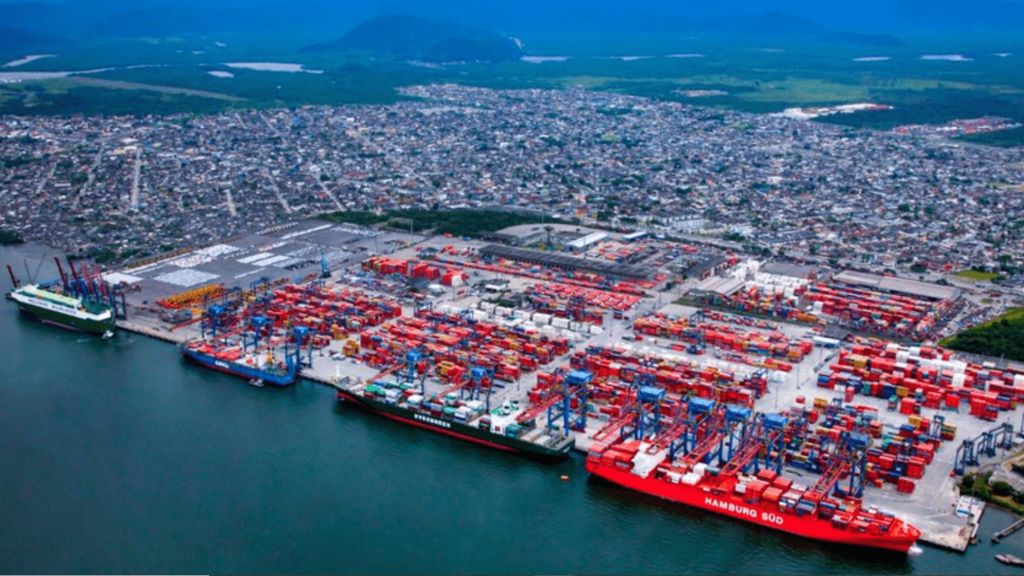
What’s on the Horizon for Brazil’s Premier Port?
As the world looks towards a future shaped by technological advancements, shifting trade patterns, and evolving environmental concerns, the Port of Santos stands poised to embrace these changes head-on. With ambitious expansion plans, a commitment to sustainability, and a resilient spirit, this maritime titan is well-positioned to navigate the tides of change and solidify its status as one of the premier ports in the Americas, continuing to play a pivotal role in Brazil’s economic prosperity for generations to come.