A Brief History: From Humble Beginnings to Modern Marvel
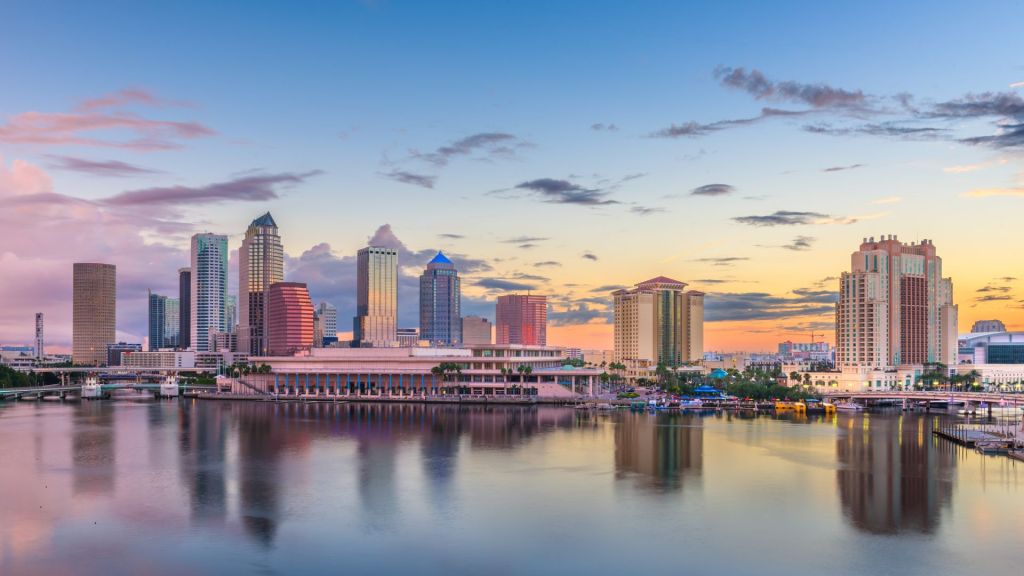
The story of the Port of Tampa Bay is one of remarkable growth and transformation. Its roots trace back to the mid-19th century when Tampa was just a small fishing village. The discovery of phosphate in the region in 1883 sparked rapid development, with the port becoming a crucial export point for this valuable mineral.
As the decades passed, the port evolved from a modest shipping point to a major player in the maritime industry. The 20th century saw significant expansions and improvements, including the development of deep-water channels, modern terminals, and advanced cargo-handling facilities. Today, the Port of Tampa Bay stands as Florida’s largest port by cargo tonnage and land area, a testament to its continuous growth and adaptation to changing maritime needs.
Geographic Advantages: Why Tampa Bay Stands Out
Strategic Location on Florida’s West Coast
The Port of Tampa Bay boasts an enviable location that contributes significantly to its success. Situated on Florida’s west coast, it provides easy access to the Gulf of Mexico and, by extension, to the entire Caribbean region and the Panama Canal. The port’s location makes it an important part of trade lines around the world, linking North America to Latin America, Europe, and other places.
Moreover, the port’s location at the heart of the I-4 Corridor places it within easy reach of a massive consumer base. Nearly half of Florida’s population resides within a 100-mile radius of the port, making it an ideal distribution point for a wide range of goods and products.
Natural Deep-Water Harbor
Nature has blessed the Port of Tampa Bay with a significant advantage: a natural deep-water harbor. This geological feature allows the port to accommodate large vessels, including modern container ships and cruise liners, without extensive dredging operations. The harbor’s depth, combined with its sheltered location, provides safe berthing for ships and facilitates efficient loading and unloading operations year-round.
Economic Impact: Driving Growth in the Sunshine State
Job Creation and Employment Opportunities
The Port of Tampa Bay serves as a powerful economic engine, generating thousands of jobs and supporting numerous industries. Direct port operations create employment for dock workers, logistics specialists, customs officials, and maritime administrators. Additionally, the port’s activities stimulate job growth in related sectors such as transportation, warehousing, and hospitality.
Recent studies indicate that the port supports over 85,000 jobs in the region, with many of these positions offering competitive salaries and benefits. This substantial employment impact underscores the port’s role as a cornerstone of the local and state economy.
Revenue Generation and Regional Development
Beyond job creation, the Port of Tampa Bay drives economic growth through revenue generation and regional development. The port’s operations contribute billions of dollars to the state’s economy annually through various channels:
- Direct revenue from port fees and services
- Increased tax revenue for local and state governments
- Stimulation of related industries such as logistics and tourism
- Attraction of international businesses and investments
The economic ripple effect of the port extends far beyond its physical boundaries, fostering development across the Tampa Bay area and contributing to Florida’s position as an economic powerhouse.
Infrastructure and Facilities: Cutting-Edge Maritime Technology
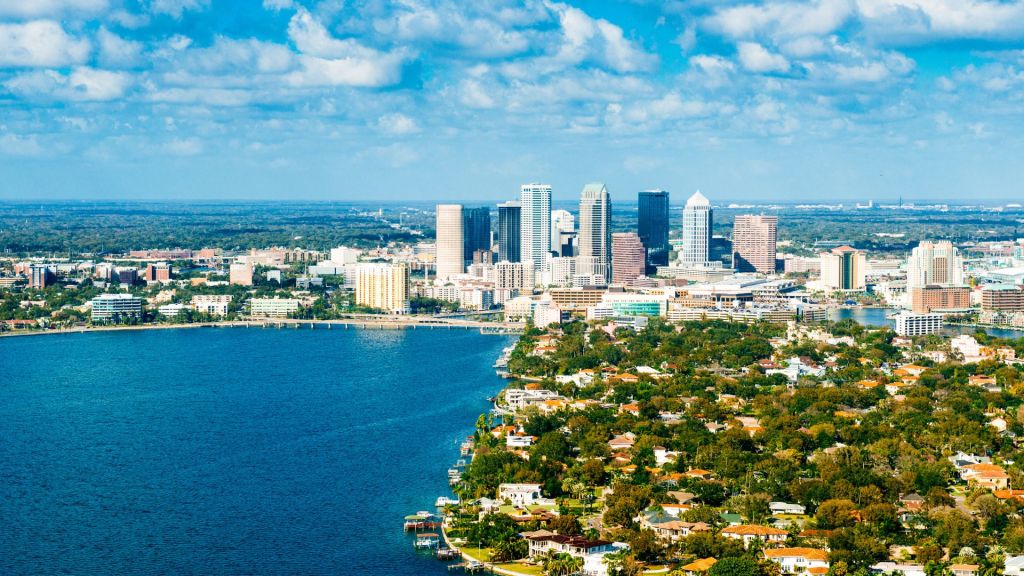
State-of-the-Art Cargo Terminals
The Port of Tampa Bay prides itself on its modern, efficient cargo-handling facilities. The port boasts multiple specialized terminals designed to handle a diverse range of cargo types:
- Container Terminal: Equipped with post-Panamax gantry cranes and extensive storage areas
- Bulk Terminals: Capable of handling commodities like phosphate, coal, and aggregates
- Liquid Bulk Facilities: Designed for petroleum products, chemicals, and other liquid cargoes
- Refrigerated Cargo Facilities: Ensuring the safe handling of perishable goods
These advanced terminals, combined with the port’s commitment to continuous technological upgrades, ensure swift, efficient, and cost-effective cargo operations.
Cruise Ship Facilities: Gateway to the Caribbean
While cargo handling forms a significant part of its operations, the Port of Tampa Bay also shines as a major cruise port. Its world-class cruise terminals serve as embarkation points for millions of passengers each year, offering convenient access to Caribbean destinations.
The port’s cruise facilities feature:
- Modern passenger terminals with efficient check-in processes
- Ample parking facilities for cruise guests
- Easy access to Tampa International Airport
- Proximity to Tampa’s vibrant downtown area and attractions
These amenities, coupled with Florida’s year-round pleasant weather, make the Port of Tampa Bay an increasingly popular choice for cruise lines and passengers alike.
Environmental Initiatives: Balancing Progress and Preservation
Habitat Restoration Projects
The Port of Tampa Bay recognizes its responsibility as a steward of the local environment. To this end, the port authority has initiated several habitat restoration projects aimed at preserving and enhancing the Tampa Bay ecosystem:
- Wetland Restoration: Creating and maintaining essential habitats for local wildlife
- Seagrass Bed Expansion: Supporting marine biodiversity and water quality
- Shoreline Stabilization: Combating erosion and protecting coastal areas
These initiatives demonstrate the port’s commitment to maintaining a balance between economic development and environmental conservation.
Sustainable Practices in Port Operations
Beyond restoration efforts, the Port of Tampa Bay implements sustainable practices in its day-to-day operations:
- Energy-Efficient Lighting: Reducing electricity consumption across port facilities
- Electric Vehicle Integration: Transitioning to a greener fleet for port operations
- Water Conservation Measures: Implementing advanced systems to minimize water usage
- Waste Reduction and Recycling Programs: Minimizing the port’s environmental footprint
By embracing these eco-friendly practices, the port sets an example for sustainable maritime operations and contributes to the long-term health of Tampa Bay.
Future Expansion Plans: Staying Ahead in a Competitive Market
Berth Improvements and Channel Deepening
To maintain its competitive edge and accommodate larger vessels, the Port of Tampa Bay has ambitious plans for infrastructure improvements:
- Berth Expansions: Increasing the port’s capacity to handle multiple large ships simultaneously
- Channel Deepening: Ensuring access for the latest generation of container ships and cruise liners
- Terminal Upgrades: Enhancing efficiency and capacity across various cargo types
These improvements will position the port to handle increased trade volumes and capitalize on emerging shipping trends.
Technology Integration for Enhanced Efficiency
The port authority recognizes the transformative potential of technology in maritime operations. Future plans include:
- Advanced Port Management Systems: Streamlining operations and improving coordination
- Automated Cargo Handling Equipment: Increasing efficiency and reducing turnaround times
- Enhanced Security Systems: Ensuring the safety of cargo, passengers, and port personnel
- Data Analytics Integration: Optimizing port operations through real-time insights
By embracing these technological advancements, the Port of Tampa Bay aims to solidify its position as a leading maritime hub in the southeastern United States.
Conclusion: Port of Tampa Bay – A Cornerstone of Florida’s Economy

The Port of Tampa Bay stands as a shining example of maritime excellence, combining strategic location, cutting-edge infrastructure, and a commitment to sustainability. It has an effect that goes far beyond its borders. It boosts the economy, makes jobs, and links Florida to the world market.
The port will become even more important to the state and the area as it continues to change and adapt to new maritime needs. With its forward-thinking approach to development and operations, the Port of Tampa Bay is well-positioned to face future challenges and seize new opportunities in the ever-changing world of international trade and transportation.
For businesses, travelers, and the local community alike, the Port of Tampa Bay remains an indispensable asset, powering Florida’s economy and serving as a gateway to the world. Its success story serves as an inspiration and a model for ports around the globe, showcasing how strategic planning, innovation, and a commitment to excellence can transform a modest harbour into a world-class maritime powerhouse.