The Southern Ocean: Earth’s Youngest and Most Mysterious Ocean
Born approximately 30 million years ago when Antarctica separated from South America, the Southern Ocean is a relative newcomer on the geological stage. Its isolation and harsh conditions have limited scientific exploration, leaving much of its depths shrouded in mystery. This uncharted territory holds secrets about our planet’s past and future, making it a prime target for research and discovery.
A Frozen Wonderland: The Harsh Beauty of Antarctica’s Surrounding Waters
The Southern Ocean’s icy embrace is both breathtaking and forbidding. Towering icebergs, sculpted by wind and water, drift majestically through its frigid waters, while penguins, seals, and whales thrive in this seemingly inhospitable environment. The stark contrasts between the blinding white of the ice and the deep blue of the ocean create a landscape of awe-inspiring grandeur.
The Southern Ocean’s Vital Role in the Global Climate System
Beyond its aesthetic appeal, the Southern Ocean is a linchpin in the Earth’s climate system. It acts as a giant heat sink, absorbing and distributing heat around the globe. Its currents, driven by the powerful Antarctic Circumpolar Current (ACC), influence weather patterns worldwide. Furthermore, the Southern Ocean is a vital carbon sink, sequestering vast amounts of carbon dioxide from the atmosphere and mitigating the effects of climate change.
Geography and Oceanography
Defining the boundaries of the Southern Ocean has been a subject of debate among oceanographers. Unlike other oceans, which are defined by continents, the Southern Ocean is delineated by a circumpolar current and a change in water characteristics. The ACC, the world’s strongest ocean current, encircles Antarctica, acting as a natural barrier that isolates the Southern Ocean from warmer waters to the north.
Defining the Boundaries: Where Does the Southern Ocean Begin and End?
The International Hydrographic Organization (IHO) officially recognized the Southern Ocean in 2000, defining its northern limit as the 60th parallel south. However, some scientists argue for a more dynamic boundary based on the ACC’s position, which fluctuates seasonally. Regardless of the precise definition, the Southern Ocean is a unique and distinct body of water with its own set of physical and biological characteristics.
The Antarctic Circumpolar Current (ACC): The Engine of the Southern Ocean
The ACC, often referred to as the “Southern Ocean’s conveyor belt,” is a colossal force of nature. It transports massive amounts of water, heat, and nutrients around Antarctica, influencing the region’s climate and marine life. The ACC’s strength and constancy make it a crucial factor in global ocean circulation patterns, affecting weather patterns and ocean temperatures worldwide.
The Furious Fifties and Screaming Sixties: Navigating the Southern Ocean’s Turbulent Waters

The Southern Ocean is notorious for its tempestuous weather and treacherous seas. The “Furious Fifties” and “Screaming Sixties” refer to the latitudes between 50°S and 60°S, and 60°S and 70°S respectively, where strong westerly winds and colossal waves create challenging conditions for mariners. These latitudes have earned their fearsome nicknames due to the frequent storms and extreme weather events that occur there.
Wildlife of the Southern Ocean
Even though it’s cold and rough, the Southern Ocean is alive with marine life. Everything from tiny phytoplankton to massive blue whales can find a home in its nutrient-rich seas. Penguins, seals, and seabirds are among the most iconic inhabitants of this frigid realm, each uniquely adapted to survive in this challenging environment.
Penguins: The Iconic Inhabitants of the Southern Ocean
Penguins are the quintessential symbol of the Southern Ocean. These flightless birds, with their tuxedo-like plumage and waddling gait, have captured the hearts of people worldwide. Several penguin species call the Southern Ocean home, including the emperor penguin, the largest penguin species, and the Adelie penguin, known for its acrobatic swimming abilities.
Whales: Giants of the Deep in the Southern Ocean’s Frigid Waters
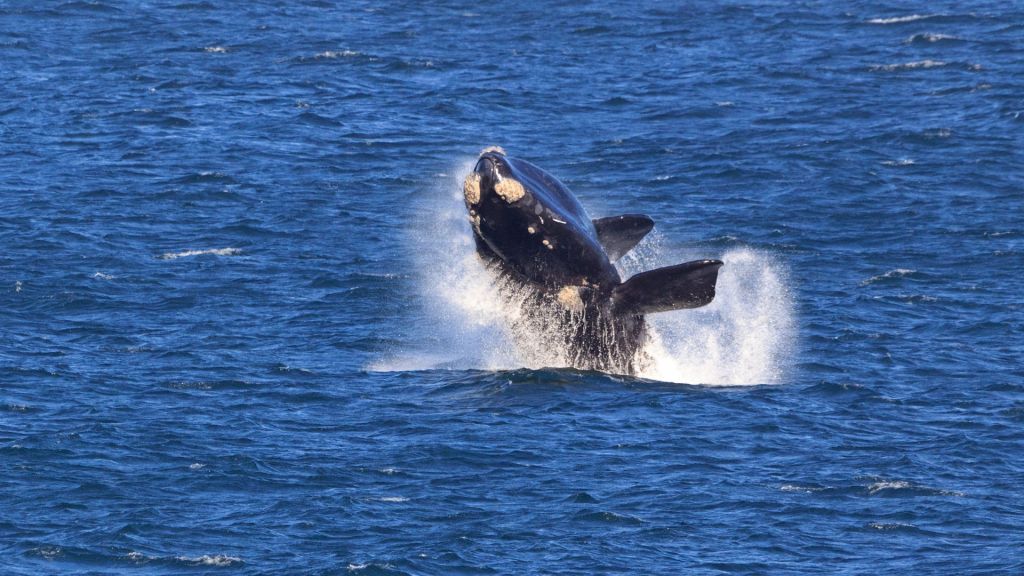
The Southern Ocean is a haven for whales, including some of the largest creatures on Earth. Blue whales, humpback whales, and minke whales migrate to these waters to feed on the abundant krill, a small crustacean that forms the base of the Southern Ocean’s food web. Whale watching, which allows tourists to see these majestic animals in their native environment, has recently grown in popularity in the area.
Seals and Seabirds: Other Remarkable Creatures of the Southern Ocean
Seals, such as the leopard seal, the crabeater seal, and the Weddell seal, are well-adapted to life in the Southern Ocean. They have thick blubber layers for insulation and powerful flippers for swimming. Seabirds, including albatrosses, petrels, and penguins, are also abundant in these waters, relying on the ocean’s bounty for sustenance.
The Southern Ocean and Climate Change
The Southern Ocean is not immune to the effects of climate change. In fact, it is experiencing some of the most rapid changes of any ocean on Earth. Rising temperatures, ocean acidification, and melting ice are all taking a toll on this fragile ecosystem. These changes will have far-reaching effects on the climate system around the world and on the Southern Ocean in particular.
The Southern Ocean’s Role as a Carbon Sink: A Critical Buffer Against Global Warming

By soaking up tons of CO2 from the air, the Southern Ocean is an essential player in reducing the effects of global warming. This process, known as carbon sequestration, helps to regulate the Earth’s temperature and prevent runaway global warming. However, the Southern Ocean’s capacity to absorb carbon dioxide is not unlimited, and scientists are concerned that its ability to act as a carbon sink may be diminishing.
Ocean Acidification: The Threat to the Southern Ocean’s Delicate Ecosystem
Waters in the Southern Ocean are getting increasingly acidic due to increased carbon dioxide absorption. Ocean acidification is a major problem for marine life, especially for creatures that use calcium carbonate for structural components like shells and skeletons. Ocean acidification poses a serious threat to the Southern Ocean because of its frigid temperatures, which make carbon dioxide more soluble.
Melting Ice and Rising Sea Levels: The Southern Ocean’s Warning Signs
The Southern Ocean is experiencing significant ice loss due to rising temperatures. There has been a decrease in sea ice and a retreat of glaciers. Sea levels are increasing due to this melting ice, which poses a hazard to coastal cities around the globe. The loss of sea ice also has a cascading effect on the Southern Ocean’s ecosystem, disrupting food webs and affecting the distribution of marine life.
The Human Impact on the Southern Ocean
A lasting imprint of humankind’s actions is being stamped into the Southern Ocean. This formerly perfect ecosystem is now deteriorating due to human activities like as fishing, pollution, and global warming. Both the ecosystem of the Southern Ocean and the people who make a living off of its resources will be profoundly impacted by these influences.
Fishing and Overfishing: The Depletion of the Southern Ocean’s Resources
Fishing has been a major industry in the Southern Ocean for decades, targeting species such as krill, toothfish, and icefish. While some fisheries are managed sustainably, others have been plagued by overfishing, leading to the depletion of fish stocks and disruption of the marine ecosystem. The Commission for the Conservation of Antarctic Marine Living Resources (CCAMLR) is responsible for managing Southern Ocean fisheries, but its effectiveness has been questioned by some conservationists.
Pollution and Marine Debris: The Threat to the Southern Ocean’s Pristine Environment
Pollution, including plastic debris, oil spills, and chemical contaminants, poses a significant threat to the Southern Ocean’s pristine environment. Marine debris can entangle and injure marine life, while oil spills and chemical pollution can poison the food web and disrupt the delicate balance of the ecosystem. The remoteness of the Southern Ocean makes it difficult to monitor and clean up pollution, exacerbating the problem.
Climate Change and the Future of the Southern Ocean: Can We Save This Vital Ecosystem?
Climate change is the Southern Ocean’s biggest long-term concern. This fragile ecosystem is suffering from rising temperatures, ocean acidity, and melting ice. These changes affect the Southern Ocean and the world climate. The future of the Southern Ocean depends on our ability to mitigate climate change and adopt sustainable practices that protect this vital ecosystem.
Exploring the Southern Ocean
Despite its remoteness and challenging conditions, the Southern Ocean has attracted explorers, scientists, and tourists alike. Scientific research in the region is crucial for understanding the Earth’s climate system and the impacts of climate change. Tourism, while a growing industry, raises concerns about its environmental footprint. The Southern Ocean has also captured the imagination of artists, writers, and filmmakers, inspiring awe and wonder through its depiction in popular culture.
Scientific Research in the Southern Ocean: Unlocking the Secrets of Earth’s Last Frontier
Scientific research in the Southern Ocean is essential for understanding the Earth’s climate system and the impacts of climate change. Scientists study the ocean’s currents, temperatures, salinity, and marine life to gain insights into the complex interactions between the ocean, atmosphere, and cryosphere. Research in the Southern Ocean also helps us understand the history of our planet and predict its future.
Tourism in the Southern Ocean: A Growing Industry with Environmental Concerns
Tourism in the Southern Ocean has witnessed a surge in recent years, with expedition cruises and flyovers offering visitors a chance to experience the region’s awe-inspiring landscapes and wildlife. Tourism’s environmental impact remains an issue. The potential for oil spills, disturbance of wildlife, and introduction of invasive species necessitates strict regulations and responsible tourism practices to minimize the industry’s footprint.
The Southern Ocean in Popular Culture: Inspiring Awe and Wonder
The Southern Ocean’s allure extends beyond the realms of science and exploration. Artists, writers, and filmmakers have been inspired by its depiction in popular culture. From documentaries like “Frozen Planet” to novels like “The Endurance” by Ernest Shackleton, the Southern Ocean has been portrayed as a place of both beauty and peril, a testament to the resilience of nature and the human spirit.
Conservation Efforts in the Southern Ocean
International efforts have been made to safeguard and conserve the Southern Ocean due to its ecological importance and vulnerability. The Antarctic Treaty System, established in 1959, governs human activities in Antarctica and its surrounding waters, providing a framework for peaceful scientific cooperation and environmental protection. Marine Protected Areas (MPAs) have been established to safeguard critical habitats and biodiversity hotspots. Collaboration among nations and organizations is crucial for ensuring the long-term sustainability of the Southern Ocean.
The Antarctic Treaty System: Protecting the Southern Ocean from Exploitation
The Antarctic Treaty System, a landmark international agreement, serves as a cornerstone for the conservation of Antarctica and the Southern Ocean. It prohibits military activities, promotes scientific research, and establishes environmental protection measures. The treaty system has been successful in preventing the exploitation of the region’s resources and maintaining it as a zone of peace and scientific collaboration.
Marine Protected Areas (MPAs): Safe Havens for the Southern Ocean’s Wildlife
Marine Protected Areas (MPAs) are designated areas within the Southern Ocean where human activities are restricted or prohibited to conserve biodiversity and protect vulnerable species. These protected areas allow penguins, whales, seals, and other marine animals to thrive without overfishing or habitat loss.
International Collaboration: Working Together to Conserve the Southern Ocean
Global responsibility for Southern Ocean protection. Addressing this particular environment’s complicated issues requires international cooperation. Through scientific research, information sharing, and coordinated conservation efforts, nations and organizations are working together to protect the Southern Ocean’s biodiversity and ensure its long-term sustainability.
The Future of the Southern Ocean
The Southern Ocean faces a future fraught with challenges and opportunities. Climate change, overfishing, pollution, and increasing human activities pose significant threats to its delicate ecosystem. However, advancements in technology, growing public awareness, and international cooperation offer hope for the future. By balancing conservation with sustainable use and educating the public about the importance of the Southern Ocean, we can ensure that this remarkable region continues to thrive for generations to come.
Challenges and Opportunities: Balancing Conservation and Sustainable Use
Balancing the need for conservation with the demand for sustainable use of the Southern Ocean’s resources is a complex challenge. To protect the ecosystem, fisheries management, tourism regulation, and environmental protection must be properly addressed and applied. By finding innovative solutions and adopting a precautionary approach, we can achieve a balance that benefits both people and the environment.
The Role of Technology in Southern Ocean Research and Conservation
Technology plays an increasingly important role in Southern Ocean research and conservation. Satellites, underwater drones, and remote sensing technologies allow scientists to monitor the ocean’s physical and biological parameters, track the movement of marine life, and assess the impacts of climate change. These tools provide valuable data that inform conservation efforts and help us understand the complex dynamics of the Southern Ocean.
Educating and Engaging the Public: Inspiring Action to Protect the Southern Ocean
Raising public awareness about the Southern Ocean and its importance is crucial for inspiring action to protect this vital ecosystem. We can involve all ages and backgrounds in Southern Ocean conservation through education, outreach, and citizen science. By fostering a sense of wonder and appreciation for this unique environment, we can create a groundswell of support for its protection.
The Southern Ocean, a vast and mysterious realm at the bottom of our planet, holds immense ecological significance and intrinsic value. It is a place of breathtaking beauty, unparalleled biodiversity, and critical importance to the global climate system. However, this fragile ecosystem faces numerous threats from human activities and climate change.
Protecting the Southern Ocean for Future Generations
We have a responsibility to protect the Southern Ocean for future generations. By reducing our carbon footprint, supporting sustainable fisheries, and advocating for stronger environmental protection measures, we can make a difference. It is imperative that we act now to safeguard this irreplaceable natural treasure.
The Importance of International Cooperation in Southern Ocean Conservation
The conservation of the Southern Ocean requires international cooperation. Nations and organizations may share resources, knowledge, and skills to solve this particular environment’s difficult problems. Through collaborative research, coordinated conservation efforts, and shared responsibility, we can ensure the long-term health and resilience of the Southern Ocean.
Celebrating the Southern Ocean: A Testament to the Beauty and Resilience of Nature
The Southern Ocean is a testament to the beauty and resilience of nature. Its icy landscapes, diverse wildlife, and critical role in the global climate system inspire awe and wonder. Let us celebrate this remarkable region and work together to protect it for generations to come.