Introduction to Kakinada Port
In the bustling coastal city of Kakinada, nestled along the shores of Andhra Pradesh, India, lies a port that serves as a vital lifeline for the region’s economy. With its deep waters and strategic location, the Kakinada Port has become a hub of maritime activity, connecting the eastern coast of India to the rest of the world. At the heart of this naval symphony is the Kakinada Port Vessel Schedule, a dynamic document that orchestrates the comings and goings of ships from across the globe.
The Port’s Economic Impact
As dawn breaks over the Bay of Bengal, the port comes alive with the anticipation of arrivals and departures. The meticulously updated and maintained vessel schedule becomes the guiding light for a diverse cast of characters whose lives intertwine with the rhythms of the sea. Everyone, from local fishermen to international shipping magnates, is involved in the fluctuations of maritime traffic.
Key Statistics:
Kakinada Port Capacity
Number of berths: 15
Maximum draft: 14.5 meters
- Annual cargo handling capacity: 80 million metric tons
- Number of berths: 15
- Maximum draft: 14.5 meters
- Container handling capacity: 600,000 TEUs per annum
The Human Element
Meet Captain Ravi, a seasoned mariner who has navigated the world’s oceans for decades. Today, he stands on the bridge of the MV Ocean Star, a massive container ship laden with goods bound for distant shores. He fixes his eyes on the vessel schedule as he approaches the Kakinada Port. The document tells him when to expect to dock, how long to unload, and when to set sail again. For Captain Ravi, the schedule is more than just a timetable; it promises efficiency and a testament to the port’s reliability.
Local Business and the Schedule
On the docks, we find Lakshmi, a local entrepreneur who runs a small export business. She anxiously scans the vessel schedule, searching for the ship carrying her carefully packaged spices to European markets. The schedule is her lifeline, helping her plan deliveries and manage her inventory. Every delay or change in the timetable sends ripples through her business, affecting not just her but the network of farmers and workers who depend on her success.
Export Statistics:
- Major exports: rice, seafood, iron ore, fertilizers
- Annual export value: approximately $2 billion
- Number of exporting companies: Over 500
Port Operations and Management
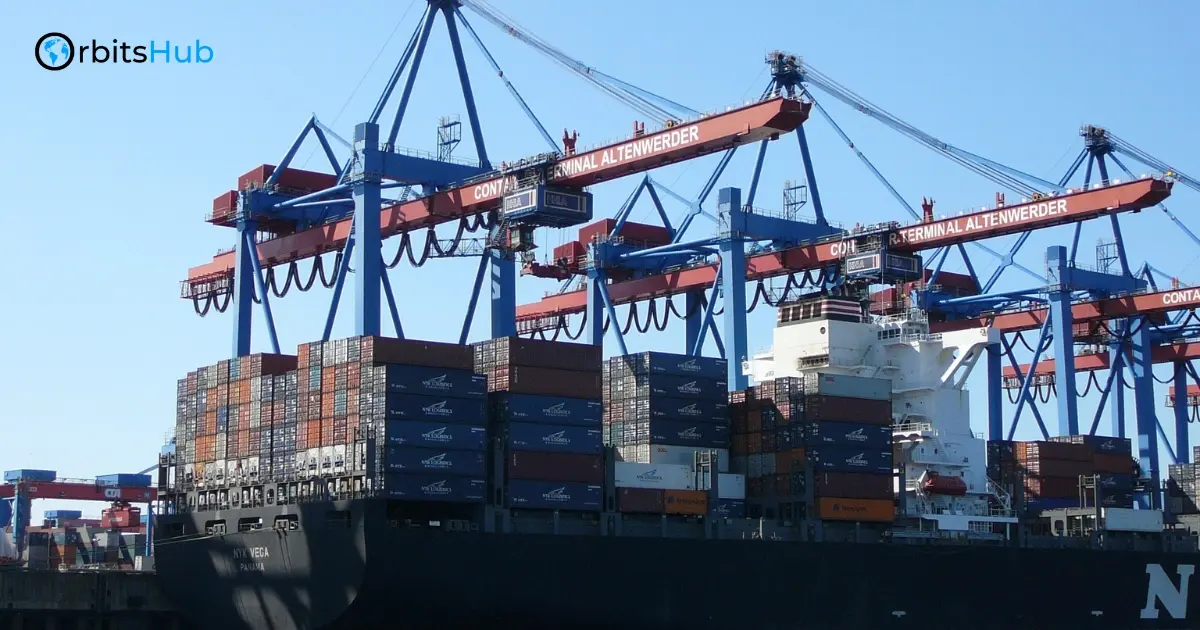
Meanwhile, Rajesh, the chief coordinator, intensely pours the vessel schedule into the port authority’s office. He is responsible for securing berths for every ship, handling cargo efficiently, and meeting all deadlines. The schedule in his hands is a living document, constantly updated to reflect the realities of weather, tides, and the occasional unforeseen circumstance. Rajesh knows that the smooth operation of the port depends on his ability to juggle the needs of various vessels, from small coastal traders to mammoth oil tankers.
Operational Metrics:
- Average turnaround time for vessels: 2.5 days
- Berth occupancy rate: 75%
- Annual vessel calls: Over 2,000
Global Connections
As the day progresses, the Kakinada Port Vessel Schedule continues to dictate the rhythm of life in and around the harbor. Tugboat operators consult it to determine when their services will be required. Customs officials use it to plan their inspections. Even the local restaurants near the port adjust their menus and staffing based on the expected influx of sailors worldwide.
The schedule also tells a story of global trade and interconnectedness. On any given day, you might find a Japanese car carrier docking alongside a bulk carrier from Brazil. At the same time, a tanker from the Middle East waits its turn. Each entry in the schedule represents not just a ship but a complex web of economic relationships that span continents.
International Trade Statistics:
- The number of countries with which we trade is over 50.
- Top trading partners: China, USA, UAE, Singapore
- Foreign direct investment has attracted $500 million in the last five years.
Economic Barometer
The vessel schedule is a barometer of Kakinada’s economic health. A busy schedule means more jobs, more trade, and more prosperity for the region. Local officials and business leaders monitor the schedule’s trends and use this information to make decisions about infrastructure investments and economic development strategies.
Employment and Economic Impact:
- The port directly employs 5,000 people.
- Indirect employment generated: 20,000 jobs
- Contribution to regional GDP: 15%
Kakinada Port Economic Impact
Total Employment Impact: 25,000 jobs
Contribution to Regional GDP: 15%
Community Engagement
However, the Kakinada Port Vessel Schedule is about more than just commerce and logistics. It’s also a source of excitement and wonder for the local community. Families often gather at viewpoints near the port, schedule in hand, to watch the majestic ships come and go. Children dream of faraway lands as they see vessels with exotic names and flags from countries they’ve only read about in books.
Environmental Considerations
The schedule also plays a crucial role in environmental management. Port authorities use it to coordinate efforts to minimize the ecological impact of shipping activities. They schedule dredging operations during lower traffic periods and organize cleanup activities around the expected lulls in vessel movements.
Environmental Initiatives:
- Green port initiatives implemented: 10
- The reduction in carbon emissions has been 20% over the last three years.
- Area of mangrove restoration: 500 ha
Night Operations

As night falls on Kakinada, the port continues its ceaseless activity under the glow of floodlights. The vessel schedule takes on new importance as night shift workers consult it to prepare for the arrivals and departures that will occur in the dark hours. For them, the schedule is a roadmap through the night, guiding their work until the sun rises again over the Bay of Bengal.
Future Prospects
In the ever-changing world of international shipping, the Kakinada Port Vessel Schedule is a testament to human ingenuity and organization. It’s a document that connects the local to the global, the individual to the collective, and the present to the future. For those who know how to read it, the schedule tells stories of ambition, adventure, and endless possibilities when we bridge the gaps between nations and cultures.
Future Development Plans:
- Planned investment in port expansion: $1 billion over the next decade
- Projected increase in handling capacity: 50% by 2030
- We will implement new technologies such as AI-driven logistics and automated container handling.
As we look to the future, the Kakinada Port Vessel Schedule will continue to evolve, incorporating new technologies and responding to changing global trade patterns. However, its fundamental nature will remain unchanged—a crucial instrument that sustains the vitality of commerce and links Kakinada to the global community.
Frequently Asked Questions
A: The Kakinada Port Vessel Schedule undergoes real-time updates. Port authorities monitor vessel movements and adjust the schedule to reflect current conditions, including weather changes, operational delays, or early arrivals.
The Kakinada Port Vessel Schedule is typically available on the official website of the Kakinada Port. Additionally, shipping agents, freight forwarders, and other maritime stakeholders often have access to real-time updates through specialized maritime information systems.