Submarines have long captured the human imagination, offering a thrilling combination of mystery and technological marvel. In this comprehensive article, we dive into the fascinating world of submarine, covering their history, technology, types, safety measures, challenges, and the incredible adventures they enable.
The Evolution of Submarines
Early Beginnings
The concept of submersibles dates back centuries, with early attempts ranging from superficial wooden vessels to primitive diving bells. However, in the 17th century, Cornelius Drebbel built the first actual submarine, introducing the world to the potential of underwater exploration.
The Submarine Revolution
In the 20th century, we witnessed a revolution in submarine technology, marked by introducing diesel-electric propulsion and advanced navigation systems. Submarines became formidable naval assets during both World Wars, demonstrating their strategic importance.
Cold War Innovations
The Cold War era saw a rapid escalation in submarine technology as nations vied for military supremacy. The development of nuclear-powered submarines and advancements in sonar and communication systems marked this period as a turning point in undersea warfare.

How Submarines Work
Basic Components
Understanding the fundamental components of a submarine is essential to appreciate its functionality. The hull, ballast tanks, periscopes, and propellers are integral to the submarine’s operation.
Dive and Surface Mechanism
The ability of a submarine to submerge and resurface results from its ballast tanks. By adjusting the water level in these tanks, a submarine can control its buoyancy, allowing it to dive beneath the waves and emerge again.
Propulsion Systems
Modern submarines utilize advanced propulsion systems, including nuclear and diesel-electric power. Nuclear submarines, in particular, have an extended range and can remain submerged for extended periods, making them crucial for strategic naval operations.
Silent Running
Stealth is a critical element of submarine warfare. Submarines employ silent running techniques, minimizing noise emissions to avoid detection by enemy vessels. This stealth capability enhances their effectiveness in covert operations.
Types of Submarines
Attack Submarines
Designed for stealth and firepower, attack submarines play a crucial role in naval warfare. Their primary mission is to seek and destroy enemy vessels, providing a strategic advantage to the naval forces they serve.
Ballistic Missile Submarines
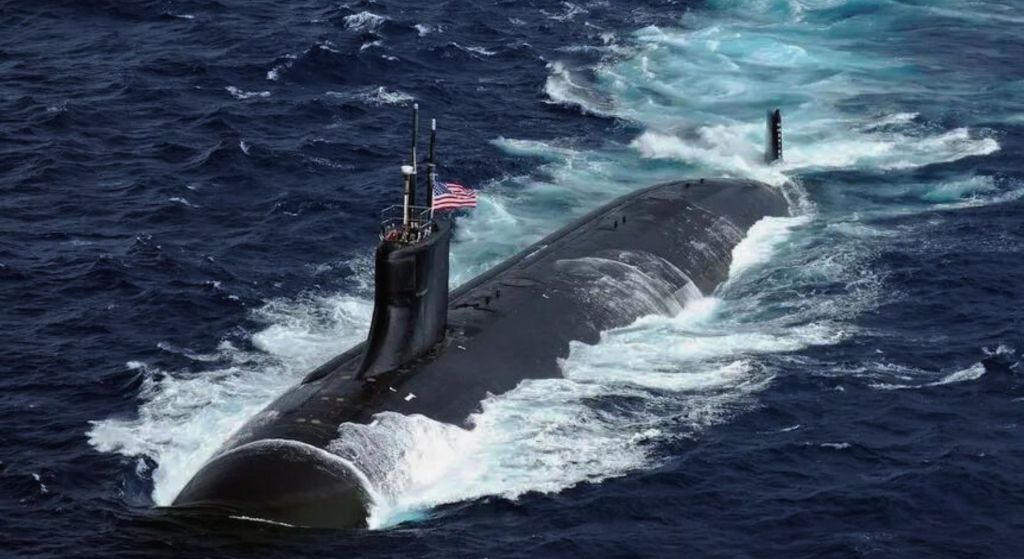
Ballistic missile submarines, armed with intercontinental ballistic missiles (ICBMs), serve as a critical component of a nation’s nuclear deterrent. These submarines operate silently beneath the ocean’s surface, ready to respond to any threat.
Research and Exploration Submarines
Beyond military applications, submarines are invaluable for scientific research and exploration. Human-crewed and uncrewed submarines enable scientists to study the ocean’s depths, uncovering new species and understanding the Earth’s geology.
Submersibles in Fiction
Submarines have a special place in popular culture, so they appear in many media. From Jules Verne’s timeless “20,000 Leagues Under the Sea” to the latest Hollywood blockbusters, submarines take center stage in several literary works.
Submarine Safety and Challenges
Pressures of the Deep
One of the most significant challenges submarines face is the immense pressure of the ocean depths. As submarines descend, the pressure increases exponentially, necessitating robust engineering and materials to withstand these extreme conditions.
Life Support Systems
Maintaining a habitable environment within a confined space poses unique challenges. Submarines have advanced life support systems, ensuring the crew’s well-being during extended missions.
Emergency Procedures
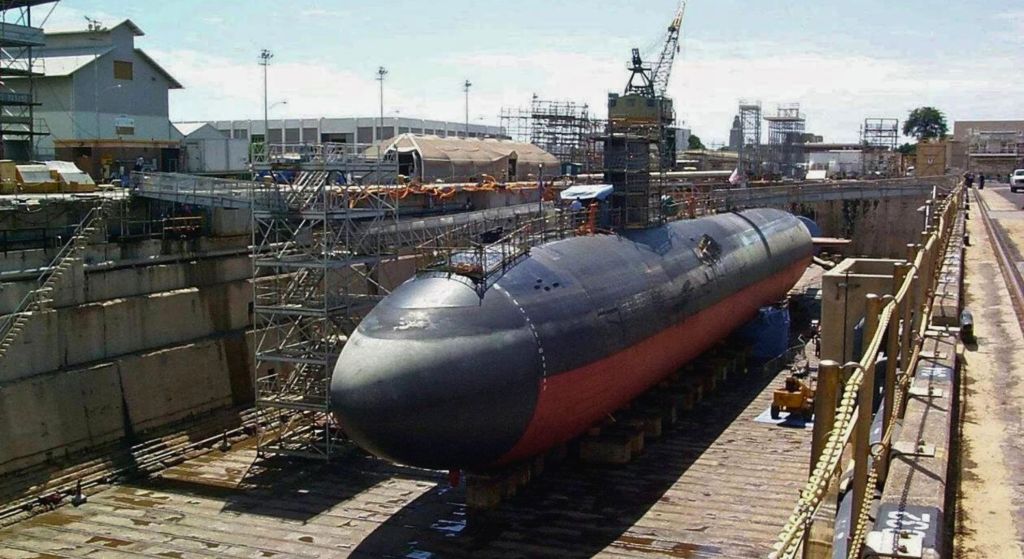
In the event of malfunctions or emergencies, submarines have elaborate procedures. From rapid ascent to emergency blow systems, these measures are critical for the maritime safety and the vessel’s preservation.
Submarine Adventures
Underwater Exploration
Submarines offer a unique opportunity for underwater exploration, allowing scientists and researchers to study marine life and underwater ecosystems. Submarines access hidden realms, from the deepest trenches to vibrant coral reefs.
Wrecks and Discoveries
Submerged ships and antiquities from bygone eras litter the ocean floor. The use of remotely operated vehicles (ROVs) on board submarines allows for the exploration and discovery of these artifacts, which provide valuable insight into the history of the maritime industry.
Arctic and Antarctic Expeditions
Submarines play a pivotal role in polar research, navigating beneath the ice to study climate change and the unique ecosystems of the Arctic and Antarctic regions. These missions provide invaluable data for understanding the impact of global warming.
The Future of Submarines
Advancements in Technology
The frontiers of submarine technology are being expanded by continuous study and development. New possibilities await the next generation of submarines, including better stealth capabilities and enhanced propulsion systems.
Autonomous Submarines
Advancements in artificial intelligence and autonomy are paving the way for uncrewed submarines. These autonomous vehicles can perform various tasks without direct human intervention, from surveillance to environmental monitoring.
Environmental Considerations
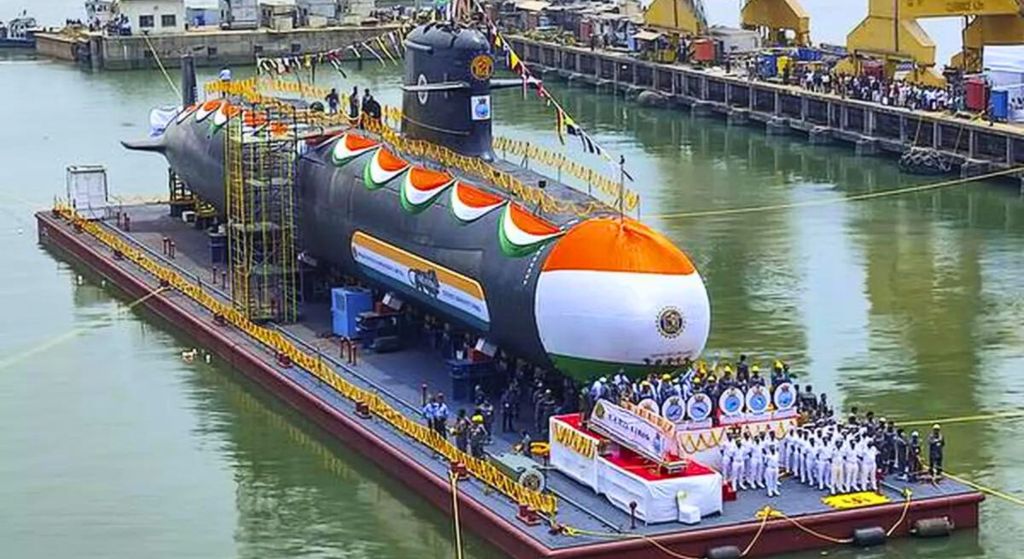
It is critical to address the environmental impact of submarines as we explore their possibilities. Sustainable practices and advancements in eco-friendly propulsion systems are essential considerations for the responsible development of submarine technology.
FAQ’s
1. How do submarines stay submerged?
Submarines stay submerged by controlling their buoyancy using ballast tanks. These tanks can be filled with water to make the submarine sink and emptied to make it rise. Additionally, submarines use propulsion systems and control surfaces to navigate underwater.
2. How do submarines work?
Submarines control their buoyancy using ballast tanks and adjust their depth with diving planes or hydroplanes. They have propulsion systems, usually powered by diesel engines or nuclear reactors, to move underwater.
3. What are the primary uses of submarines?
Submarines serve various purposes, including military operations such as surveillance, intelligence gathering, and strategic deterrence. They are also used for scientific research, exploration, and underwater rescue missions.
Submarines represent the pinnacle of underwater adventure, combining history, technology, and exploration. From humble beginnings to crucial roles in military and scientific endeavors, submarines capture our imagination. As we look to the future, the evolution of submarine technology promises even more thrilling discoveries and adventures beneath the waves. So, embark on the ultimate underwater journey – the submarine adventure awaits!