Taiwan Strait politics are complicated. Rising powerhouse China sees Taiwan as a renegade colony awaiting reunion. A strong democracy, Taiwan protects its autonomy. This precise dancing, often with military gestures, has become worrisome. The MND reports more Chinese military aircraft and warships approaching Taiwan. The escalating scenario is examined. China’s rise, Taiwan’s influence, and the region’s and beyond’s economic and security ramifications will be discussed. We’ll also explore how international actors promote peace and minimize conflicts. By studying this geopolitical dilemma, we seek to illuminate the challenges and potential of navigating these rough seas.
Increased Chinese Activity in Taiwan’s Air Defense Identification Zone (ADIZ)
On June 14, 2024, the MND announced that eight Chinese aircraft and eight naval vessels were spotted near Taiwan. Three aircraft entered Taiwan’s southwestern Air Defense Identification Zone (ADIZ). An ADIZ is an airspace where a country identifies, tracks, and controls foreign aircraft for potential threats. While not international airspace, incursions can be seen as provocative actions.
This incident is not an isolated event. Taiwan has recently reported a significant increase in Chinese military activity near its territory. So far, in June 2024 alone, Taiwan has detected Chinese military aircraft over 132 times and naval/coast guard vessels more than 109 times. On the previous day (June 13), Taiwan identified 23 Chinese military aircraft and seven naval ships operating around the island. Notably, 19 of those aircraft crossed the median line of the Taiwan Strait and entered Taiwan’s southwest and eastern ADIZ.
Chinese Aircraft and Taiwan’s Response Amid Tension
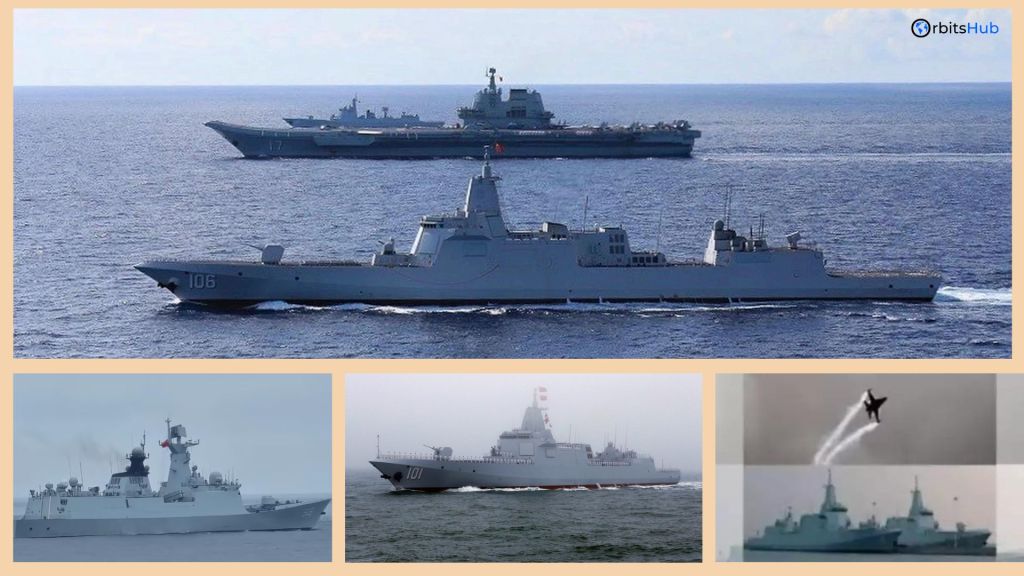
Taiwan’s armed forces responded to these incursions by deploying their aircraft, naval ships, and coastal missile systems to monitor the situation. This tit-for-tat approach has become a worrying trend, raising concerns about potential military escalation in the region.
The reasons behind China’s increased military activity are complex. Some analysts believe it is a show of force to pressure Taiwan into accepting Chinese sovereignty. Others suggest it is a tactic to test Taiwan’s defences and intimidate the island nation. Regardless of the motivation, these actions contribute to regional instability and raise the possibility of miscalculation that could lead to a military confrontation.
The Role of International Actors
The current situation in the Taiwan Strait has garnered concern from around the world. The United States, for instance, maintains a policy of “strategic ambiguity” towards Taiwan, meaning it does not explicitly state whether it would intervene militarily in a conflict between China and Taiwan. However, the US also supplies Taiwan with defensive weaponry.
Other countries, including India, Japan, and Australia, have also called for peaceful resolution and maintaining the status quo in the Taiwan Strait. They urge China and Taiwan to engage in constructive dialogue to find a peaceful solution.
Potential Economic Repercussions: Chinese Aircraft
Increased tensions between China and Taiwan can have significant economic repercussions, impacting the two parties directly involved, the wider region, and the global economy. Here’s a breakdown of the potential risks:
- Disrupted Trade Flows: The Taiwan Strait is a vital shipping lane for global trade. Any conflict that disrupts movement through this waterway could lead to shortages of essential goods, price hikes, and overall economic slowdown.
- Investment Uncertainty: Businesses may hesitate to invest in Taiwan due to the heightened risk of military confrontation. This could stifle economic growth and innovation on the island.
- Global Supply Chain Disruptions: Taiwan is a major producer of semiconductors, which are crucial components for electronics and other technologies. A conflict could disrupt this supply chain, impacting production and leading to price increases for consumers worldwide.
Impact on Regional Security Architecture: Chinese Aircraft
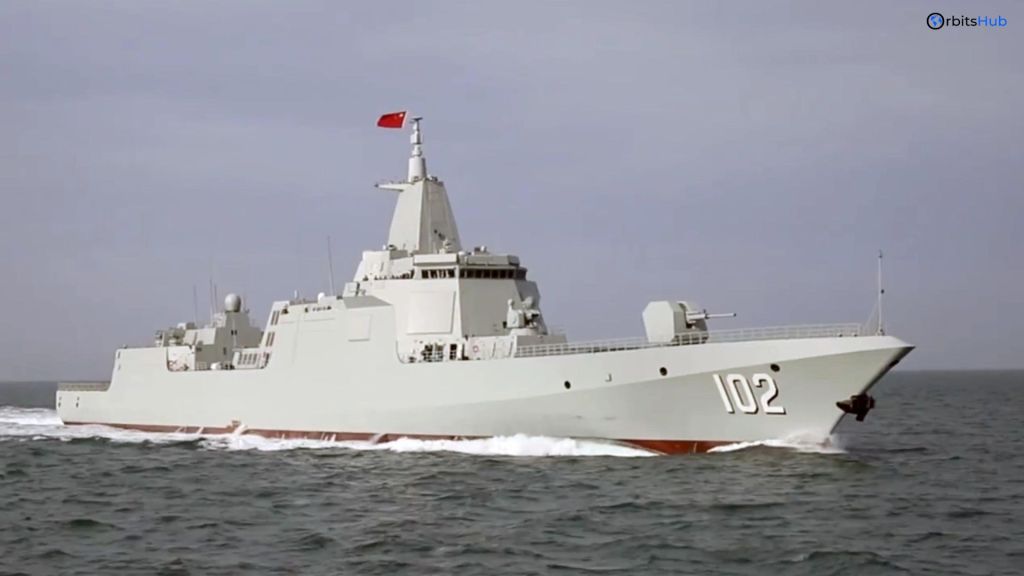
The current situation in the Taiwan Strait also poses a challenge to the existing regional security architecture. Here’s how:
- Strained US-China Relations: The US-China rivalry is a critical factor in the Taiwan Strait tensions. Increased military activity by China could be seen as a challenge to US dominance in the region, potentially leading to a more contentious relationship between the two superpowers.
- A Test for Alliances: The situation could strain existing regional alliances, such as the US-Japan alliance and the Quad (US, Japan, India, and Australia). These alliances might be tested if a conflict arises, impacting regional stability.
- Arms Race: The tit-for-tat military build-up by China and Taiwan could trigger an arms race in the region, further escalating tensions and increasing the risk of accidental conflict.
The situation in the Taiwan Strait remains a potential flashpoint in Asia. Chinese aircraft growing military assertiveness and Taiwan’s determination to maintain its autonomy create a tense environment. Open communication and diplomatic efforts are crucial to prevent miscalculations and ensure a peaceful resolution.
The complexities of maritime and aviation activities in the region necessitate expert guidance. OrbitsHub, a leading marine and aviation consultancy services company, can help you navigate these uncertainties. Explore OrbitsHub’s comprehensive suite of services to stay informed and make informed decisions.