The Historical Footprints

To truly appreciate the significance of Tanjung Perak Port, one must delve into its historical roots. The port’s history dates back to the colonial era when the Dutch East India Company established it as a vital trade gateway. Over the centuries, Tanjung Perak Port evolved from a modest trading post to a bustling maritime hub, witnessing the ebb and flow of goods, cultures, and fortunes. Its strategic location along the Java Sea and proximity to key trade routes have cemented its status as a linchpin of Indonesia’s maritime heritage.
Infrastructure and Facilities
Modern-day Tanjung Perak Port stands as a marvel of maritime engineering, boasting state-of-the-art infrastructure and world-class facilities. The port comprises multiple terminals catering to various cargo types, including containers, bulk cargo, and liquid bulk. Equipped with advanced handling equipment, berths, and warehouses, Tanjung Perak Port ensures seamless operations and efficient cargo handling. Additionally, the port is complemented by extensive road and rail networks, facilitating seamless connectivity to the hinterlands and beyond.
Trade Dynamics and Cargo Handling
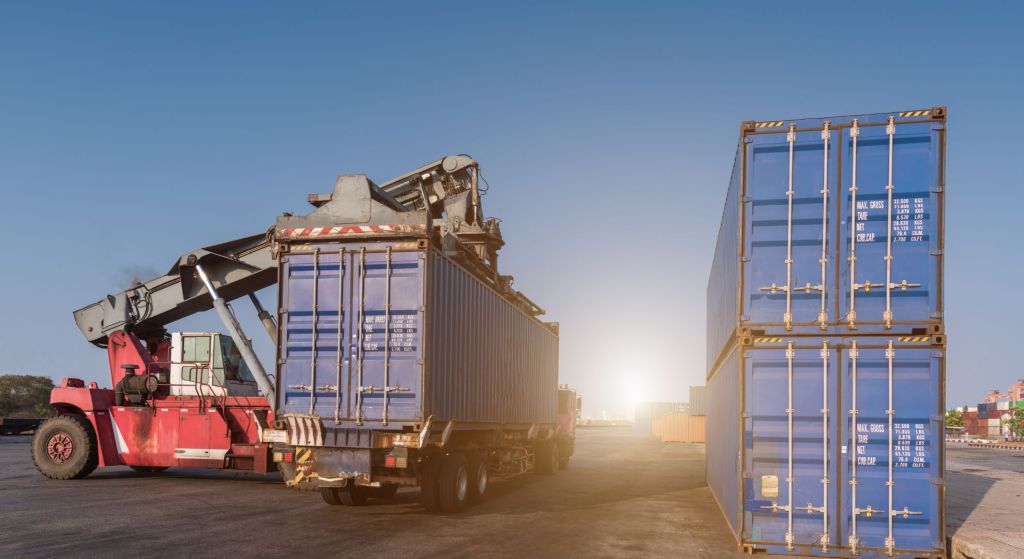
As Indonesia’s primary maritime gateway, Tanjung Perak Port serves as a vital conduit for international trade, handling a diverse array of cargo ranging from commodities to manufactured goods. When it comes to bridging the gap between Indonesian companies and international markets, the port is crucial. From palm oil and coal to electronics and textiles, Tanjung Perak Port accommodates a myriad of cargo types, underscoring its versatility and significance in Indonesia’s trade dynamics.
Environmental Sustainability
Amidst its bustling operations, Tanjung Perak Port remains committed to environmental sustainability and conservation efforts. The significance of protecting marine ecosystems is acknowledged by the port, which has adopted environmentally conscious policies and procedures and enforces strict environmental rules. Initiatives such as waste management, emission controls, and eco-friendly infrastructure aim to mitigate environmental impact and promote responsible stewardship of natural resources. Tanjung Perak Port’s commitment to sustainability underscores its role as a responsible maritime entity.
Economic Impact and Socio-cultural Significance
Beyond its economic significance, Tanjung Perak Port holds immense socio-cultural importance, shaping the fabric of local communities and fostering cultural exchange. The port serves as a hub of activity, attracting diverse stakeholders, including traders, sailors, and tourists. Its vibrant maritime culture, marked by bustling markets, seafood eateries, and traditional festivities, reflects the rich tapestry of Indonesia’s maritime heritage. Moreover, Tanjung Perak Port’s economic impact extends beyond its immediate vicinity, contributing to regional development, job creation, and prosperity.
Challenges and Future Prospects

Despite its storied legacy and strategic importance, Tanjung Perak Port faces an array of challenges ranging from infrastructural constraints to regulatory hurdles. Addressing issues such as port congestion, inadequate infrastructure, and bureaucratic inefficiencies is paramount to unlocking the port’s full potential and sustaining its growth trajectory. Furthermore, amidst rapid technological advancements and shifting trade dynamics, Tanjung Perak Port must adapt and innovate to remain competitive in the global maritime arena. Embracing digitalization, enhancing operational efficiency, and fostering public-private partnerships are key to charting a course toward a brighter, more resilient future.
Tanjung Perak Port stands as a beacon of Indonesia’s maritime legacy, embodying centuries of trade, culture, and resilience. Throughout its history, the port has grown from its modest beginnings into a major player in Indonesia’s trading scene. It has been instrumental in promoting economic growth, cultural interchange, and environmental protection for the country. As Indonesia navigates the currents of globalization and charters a course toward prosperity, Tanjung Perak Port remains steadfast in its commitment to shaping a brighter, more sustainable future for generations to come.