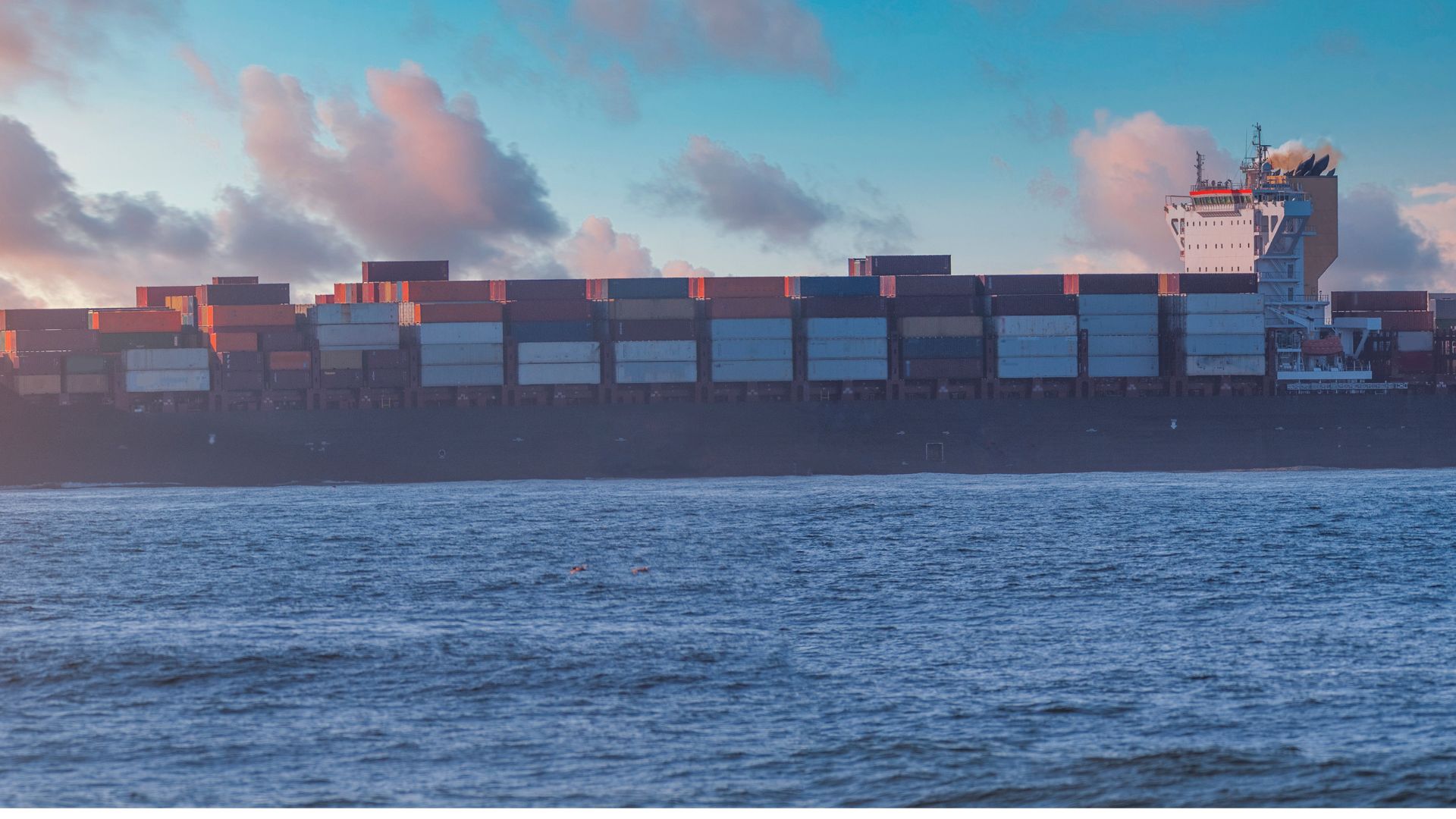

Port of Los Angeles, California

Los Angeles’s Port, sometimes called America’s Port, has topped all U.S. container ports for 20 years running. It processes more than 9.2 million TEUs in 2020 at its San Pedro Bay facility, which is located south of downtown Los Angeles. The Port of Los Angeles handles twenty percent of the nation’s inbound cargo through its twenty-five cargo terminals and seventy thousand square meters of waterfront.
Port of Long Beach, California
Situated in the heart of Long Beach, the Port of Long Beach ranks as the world’s twenty-first busiest container port and the second busiest seaport for containers in the US. In 2020, it handled over 8.1 million TEUs, with an estimated trade value of $170 billion. Spanning 13 square kilometers of land and 40 kilometers of waterfront, the port operates 22 shipping terminals, with six dedicated to container vessels. It serves 175 shipping lines and maintains connections to 217 seaports worldwide.
Port of New York and New Jersey, New York
Among U.S. ports, the Port of New York and New Jersey is third largest and dominates the East Coast. Handling over 7.5 million TEUs in 2020, it boasts an operating capacity of approximately 9 million TEUs. This port serves as the first port of call for over 70% of the world’s major ocean carriers and global alliances. With six container terminals capable of accommodating nine 14,000 TEU vessels simultaneously, the Port of New York and New Jersey ensures efficient cargo movement.
Port of Savannah, Georgia
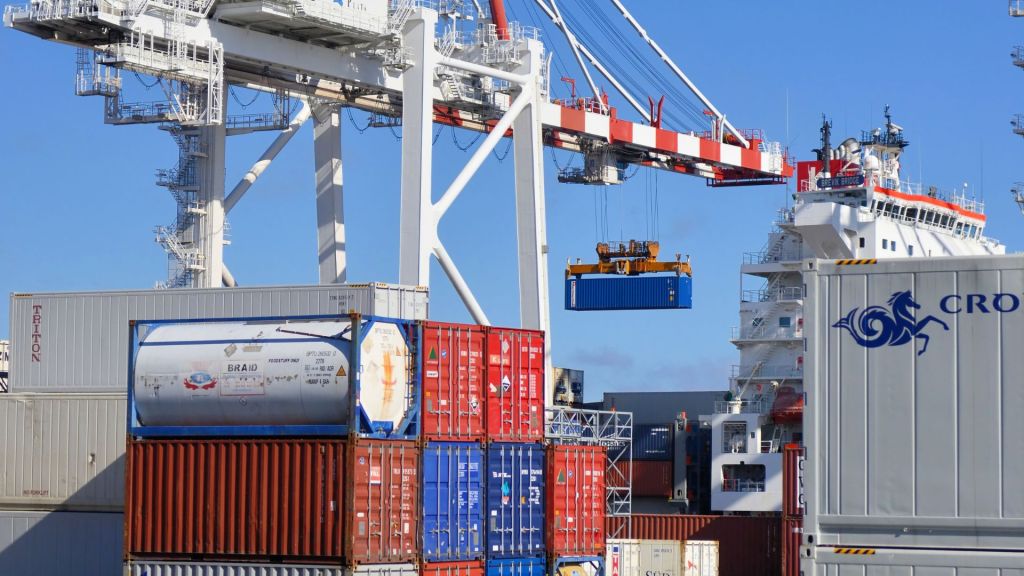
The Port of Savannah, operated by the Georgia Ports Authority, is the fourth-busiest port in the United States and the largest single-terminal container facility in North America. In 2020, it handled more than 4.6 million TEUs, with an estimated increase in capacity by 750,000 TEUs by 2023. The port’s strategic location in Georgia makes it an ideal gateway for shipments to and from the Southeastern United States. With advanced container terminals and a focus on sustainable operations, the Port of Savannah continues to drive economic growth.
The Northwest Seaport Alliance, Washington
The Northwest Seaport Alliance (NWSA) comprises the ports of Seattle and Tacoma, officially established in 2015. Together, these ports handled over 3.3 million TEUs in 2020, with a waterborne trade value of $66 billion. The NWSA serves as a vital maritime trade gateway, connecting the Pacific Northwest to various international markets. With a total of 1,684 cargo vessels calling its terminals, including 949 container ships, the NWSA plays a significant role in facilitating global trade.
Port Houston, Texas
When it comes to waterborne tonnage and containers, there is no port on the United States that can compare to another. Gulf Coast, Port Houston ranks as the sixth-busiest port in the United States. In 2020, it handled a total volume of nearly 2.9 million TEUs. The petrochemical sector uses Port Houston, which has two container terminals, as a significant hub. The most traded commodities at this port are petroleum and petroleum products. It generates substantial employment opportunities, supporting millions of jobs in both Texas and the United States.
Port of Virginia, Virginia
The Port of Virginia, located in Norfolk, is the seventh-busiest port in the United States. With a throughput of over 2.8 million TEUs in 2020, it operates the largest intermodal rail port on the U.S. East Coast. The port has invested in expanding its container terminals, increasing its overall capacity by 40% and enabling the transfer of more cargoes. The Port of Virginia serves as a crucial link in the supply chain, facilitating trade and supporting economic growth.
Port of Oakland, California
The eighth busiest port in the US is the Port of Oakland, which is located on the eastern shore of San Francisco Bay. In 2020, it handled over 2.4 million TEUs, serving as a vital gateway for containerized goods in Northern California. With over 5.26 square kilometers of maritime-related facilities, the port plays a significant role in connecting the region to global markets. The Port of Oakland serves a local market of over 14.5 million consumers, contributing to economic growth in the area.
South Carolina Ports, South Carolina
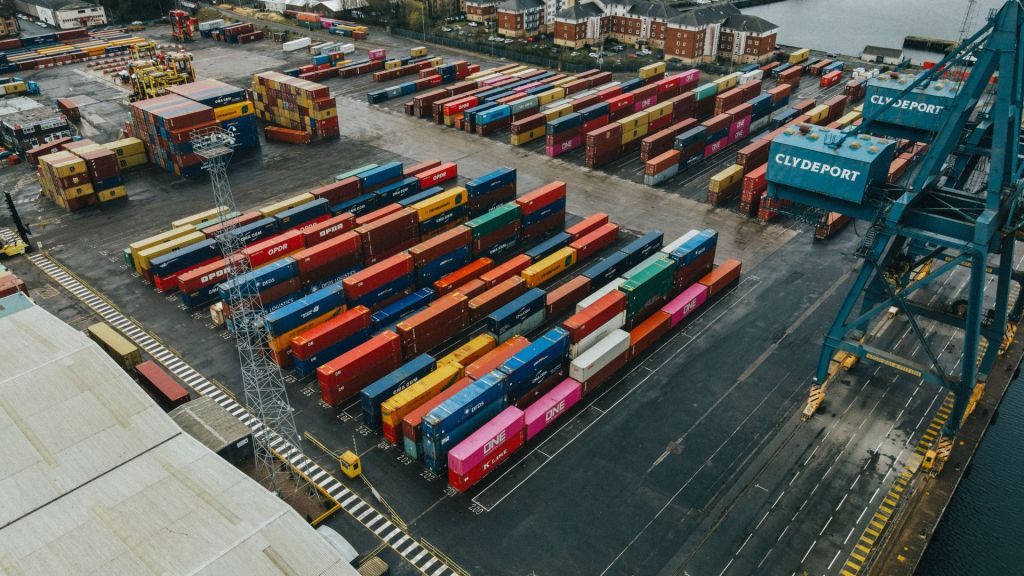
South Carolina Ports (SC Ports), which includes the Port of Charleston and four major ocean terminals, ranks as the ninth-busiest port in the United States. In 2020, SC Ports handled over 2.3 million TEUs, with the recent addition of the Hugh K. Leatherman Terminal further enhancing its capacity and capabilities. SC Ports operates as a major economic driver in South Carolina, creating jobs and making a significant economic impact on the state.
Port Miami, Florida
Tenth busiest U.S. port is Port Miami, sometimes called the Cruise Capital of the World. Handling more than 1 million TEUs for five consecutive years, it contributes approximately $43 billion and over 334,000 jobs annually to Florida’s economy. Port Miami has made substantial investments in capital improvements, including a deep-water channel and the acquisition of new super Post-Panamax gantry cranes, further enhancing its cargo operations.
These top 10 largest and busiest container ports in the United States play a crucial role in facilitating global trade, connecting the country to various international markets. With their advanced infrastructure, state-of-the-art terminals, and strategic locations, these ports support economic growth, generate employment opportunities, and contribute significantly to the overall prosperity of the United States.