What Lies Beneath: Demystifying the Ocean’s Inky Depths

Beneath the sun-dappled surface of the vast oceanic expanse lies a realm shrouded in mystery, an inky abyss that has captivated human curiosity for centuries. This enigmatic domain, where light scarcely penetrates, harbors secrets waiting to be unraveled, beckoning explorers to delve into its depths and uncover the marvels that lurk within.
Mapping the Uncharted: Expeditions to the Ocean Floor
For eons, the ocean floor remained largely uncharted, its contours and crevices a tantalizing enigma. However, the relentless pursuit of knowledge and the advent of cutting-edge technology have propelled intrepid explorers to embark on daring expeditions, mapping the uncharted territories that lie submerged beneath the waves. These odysseys have unveiled a world of breathtaking splendor and unfathomable complexity, challenging long-held assumptions and kindling an insatiable thirst for further discovery.
Into the Abyss: The Mariana Trench
The Mariana Trench is a breathtaking example of the depths to which our understanding of the natural world is limited. Situated in the western Pacific Ocean, this colossal chasm plunges to staggering depths, forming a vast canyon that could swallow the world’s tallest skyscrapers with ease.
A Cavernous Realm: Statistics and Dimensions
The Mariana Trench’s sheer immensity is a testament to the awe-inspiring scale of the ocean’s unseen realms. Stretching an astonishing 1,580 miles (2,542 kilometers) in length and reaching a maximum depth of approximately 36,070 feet (10,994 meters), this titanic rift carves a formidable furrow into the Earth’s crust, defying human comprehension.
Fathoms Below: Extreme Pressure and Darkness
Descending into the Mariana Trench is akin to venturing into an alien world, where the laws of physics as we know them are stretched to their limits. The immense water pressure at such depths is staggering, reaching a crushing force of over 16,000 pounds per square inch (1,100 atmospheres) – a burden that would pulverize ordinary human-made structures in an instant. Moreover, the inky blackness that pervades these abyssal depths is absolute, creating an otherworldly environment devoid of the familiar light that sustains life on the surface.
Survival in the Trenches: Extraordinary Marine Life
Despite the formidable challenges posed by the Mariana Trench’s extreme conditions, life finds a way to thrive in this unlikely realm. The denizens of these depths have evolved remarkable adaptations that allow them to endure the crushing pressures and utter darkness, revealing nature’s astonishing resilience and ingenuity.
Hadal Zone Dwellers: Creatures Forged by Darkness
Within the hadal zone, the deepest region of the ocean encompassing the Mariana Trench, an array of peculiar creatures call this inhospitable environment home. From the ghostly translucent snailfish to the fearsome-looking amphipods, these denizens have undergone extraordinary evolutionary transformations, adapting to the unique challenges of their abyssal habitat.
Evolutionary Marvels: Adaptation to Inhospitable Conditions
The organisms that inhabit the Mariana Trench have developed an array of remarkable adaptations to survive in this unforgiving realm. Some possess specialized biochemical mechanisms that prevent their cells from being crushed by the immense pressures, while others have evolved unique methods of sensing and navigating in the perpetual darkness. The astonishing variety of solutions found in nature and the resiliency of life are demonstrated by these evolutionary wonders.
The Deepest Point: Challenger Deep

Within the Mariana Trench lies a region known as the Challenger Deep, a name that pays homage to the HMS Challenger expedition that first sounded these unfathomable depths in 1875. This specific location holds the distinction of being the deepest point in the entire ocean, plunging to a mind-boggling depth of approximately 35,853 feet (10,924 meters) below the surface.
Breaking Records: Human Exploration Milestones
While the ocean’s abyssal depths have long remained shrouded in mystery, human ingenuity and curiosity have propelled daring explorers to venture into these uncharted realms, shattering records and pushing the boundaries of human achievement.
Trieste’s Triumph: The First Manned Descent
On January 23, 1960, a remarkable feat was achieved when the bathyscaphe Trieste, a deep-diving submersible vessel, descended to the bottom of the Challenger Deep, becoming the first manned craft to reach such unfathomable depths. Piloted by the intrepid explorers Don Walsh and Jacques Piccard, this historic dive not only shattered records but also opened a portal into a world that had hitherto remained utterly inaccessible to human observation.
Deepsea Challenger: Pioneering a New Era
More than half a century after the Trieste’s groundbreaking achievement, another milestone was reached in 2012 when the Deepsea Challenger, a state-of-the-art submersible, descended to the Challenger Deep, piloted by the renowned explorer and filmmaker James Cameron. This expedition not only reaffirmed humanity’s ability to conquer the ocean’s greatest depths but also ushered in a new era of deep-sea exploration, leveraging cutting-edge technologies to unlock the secrets lurking within these enigmatic realms.
Limitless Frontiers: Advances in Deep Sea Technology
The exploration of the ocean’s abyssal depths has been propelled by remarkable technological advancements, pushing the boundaries of what was once thought impossible. From remotely operated vehicles (ROVs) to autonomous underwater vehicles (AUVs) and sophisticated submersibles, these innovations have become indispensable tools in unraveling the mysteries that lie beneath the waves.
Remotely Operated Vehicles: Eyes in the Abyss
Remotely Operated Vehicles (ROVs) have revolutionized deep-sea exploration, serving as the eyes and hands of researchers in the most inhospitable environments. These tethered, unmanned vehicles are equipped with an array of sensors, cameras, and robotic manipulators, allowing scientists to observe and interact with the ocean’s depths without the need for human presence on site.
Autonomous Underwater Vehicles: Roving Explorers
Autonomous Underwater Vehicles (AUVs) take exploration a step further by operating independently, without the need for a tether or human control. These sophisticated robots are programmed to navigate the ocean’s depths, collecting data and capturing imagery while covering vast distances and reaching areas inaccessible to tethered vehicles or manned submersibles.
Submersibles: Manned Voyages to the Depths
While unmanned vehicles have transformed deep-sea exploration, the allure of manned submersibles remains strong. These specialized vessels, designed to withstand immense pressures, transport human explorers to the ocean’s most remote and mysterious regions, offering an unparalleled firsthand experience and the ability to make real-time observations and decisions.
The Allure of the Unknown
Despite the remarkable strides made in exploring the ocean’s abyssal realm, the lure of the unknown continues to beckon, igniting curiosity and driving humanity’s relentless pursuit of knowledge.
Untapped Resources: Potential Discoveries
The deep ocean harbors a wealth of untapped resources and potential discoveries that could revolutionize various fields, from medicine and biotechnology to energy production and mineral extraction. The unique organisms and environmental conditions found in these extreme environments may hold the key to developing novel pharmaceuticals, enzymes, and biomaterials with remarkable properties.
The Final Frontier: Mysteries yet to Unravel
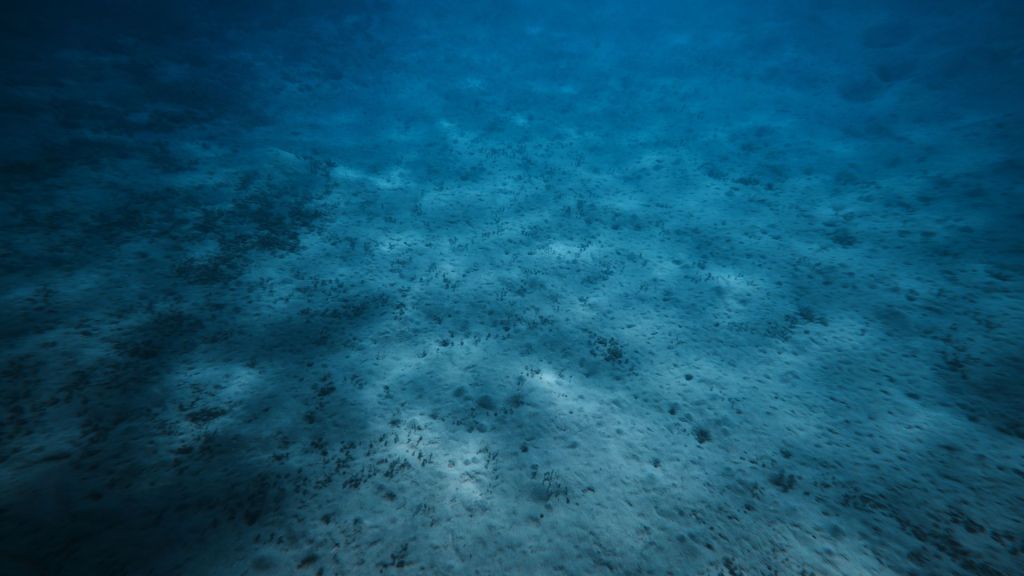
Even as we unravel the secrets of the Mariana Trench and other ocean depths, new mysteries emerge, tantalizing us with the promise of further revelations. From undiscovered species to geological formations and biochemical processes yet to be understood, the ocean’s abyssal realms remain a final frontier, beckoning us to push the boundaries of human knowledge and exploration.
Unraveling Nature’s Wonders: A Lasting Legacy
The exploration of the ocean’s deepest regions is more than a scientific endeavor; it is a testament to the indomitable human spirit, driven by an insatiable thirst for discovery and a profound reverence for nature’s wonders. As we continue to unravel the enigmas that lie within the ocean’s inky depths, we not only expand our understanding of the world around us but also forge a lasting legacy that will inspire generations to come, perpetuating the pursuit of knowledge and the preservation of our planet’s most precious natural wonders.