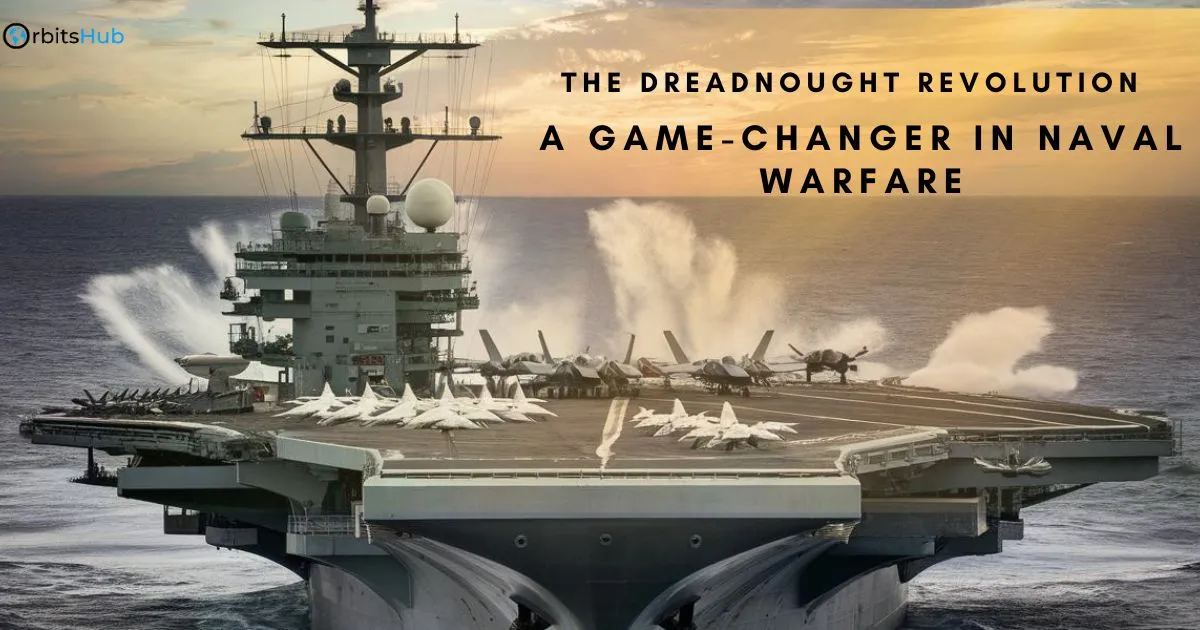
Naval warfare has undergone numerous transformations throughout history, but few have been as significant as the advent of the dreadnought battleship. The introduction of HMS Dreadnought in 1906 marked a revolutionary shift in naval engineering, strategy, and global maritime power dynamics. Discover how the Dreadnought Revolution changed naval combat and paved the way for future maritime battles as this blog explores its origins, influence, and legacy.
The Dawn of the Dreadnought Era
The Birth of HMS Dreadnought
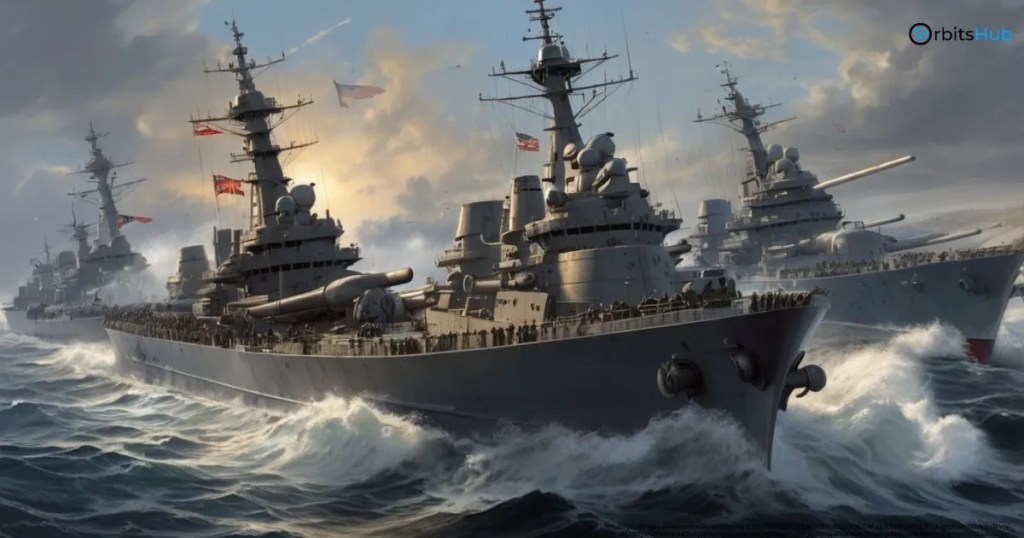
In 1906, the British Royal Navy debuted HMS Dreadnought, the first battleship to represent a new design philosophy in naval architecture. The ship featured an all-big-gun armament of ten 12-inch guns, which allowed it to deliver powerful volleys over long distances. Additionally, Dreadnought was powered by steam turbines, giving it unprecedented speed and maneuverability for its time. This combination of firepower, speed, and protection made HMS Dreadnought a revolutionary force in naval warfare.
Strategic Implications of the Dreadnought
The introduction of HMS Dreadnought had immediate and far-reaching strategic implications. It rendered existing battleships obsolete, forcing naval powers worldwide to either build their dreadnoughts or risk falling behind. This led to a naval arms race, particularly between Britain and Germany, as both nations sought to outbuild each other in dreadnought-class battleships. The focus on building dreadnoughts also shifted naval strategy towards long-range engagements and away from the close-quarters battles that had previously dominated maritime thinking.
The Impact of the Dreadnought Revolution
Naval Arms Race and Its Consequences
The battleship’s introduction triggered an intense naval arms race, particularly between the British Royal Navy and the German Kaiserliche Marine. Both nations invested heavily in building more powerful dreadnoughts, leading to a dramatic increase in military spending. Powers competing for control of the oceans ratcheted tensions, which triggered the weapons race that triggered World War I.
The Role of Dreadnoughts in World War I
When World War I broke out, dreadnoughts were expected to play a decisive role in naval battles. The Battle of Jutland in 1916 was the war’s largest naval battle and featured many dreadnoughts from the British and German fleets. While the battle was inconclusive, it demonstrated the power and limitations of dreadnoughts in actual combat. The sheer firepower of these ships was unmatched, but their vulnerability to new threats, such as submarines and mines, became apparent.
Strategic Shifts in Naval Warfare
The Dreadnought Revolution also led to strategic shifts in naval warfare. The focus on long-range engagements and the importance of maintaining a battle fleet in being became central to maritime strategy. Dreadnoughts in a fleet acted as a deterrent, forcing enemy fleets to consider the risk of engaging in battle. This shift in strategy influenced naval thinking well into the 20th century, shaping the development of future warships and naval doctrines.
The Legacy of the Dreadnought Revolution
Post-War Developments and the Washington Naval Treaty
After WWI, the naval arms race and war’s high costs led to measures to reduce naval armaments. The Washington Naval Treaty of 1922 was one such effort, limiting the number and size of battleships that major naval powers could build. This treaty effectively ended the dreadnought arms race. It marked the beginning of a new era in naval warfare, where aircraft carriers and submarines began to take on more prominent roles.
The Evolution of Battleships
In the early 20th century, dreadnought battleships represented the pinnacle of naval power. However, their dominance was eventually surpassed by the rise of air power and submarines. The development of aircraft carriers during World War II reduced the role of battleships. Aircraft from carriers could strike targets from a distance that was beyond the range of naval guns. However, the battleships’ emphasis on speed, firepower, and armor influenced the design of subsequent warships, including modern naval vessels.
Enduring Influence on Naval Strategy
The Dreadnought Revolution‘s influence on naval strategy persists to this day. The concept of power projection through a fleet of heavily armed warships remains central to the maritime doctrine of many countries. Modern naval warfare places greater emphasis on air and submarine capabilities. Yet, the principles established during the Dreadnought Revolution still influence strategic thinking among naval planners worldwide.
The Dreadnought Revolution was a pivotal moment in the history of naval warfare, ushering in a new era of battleship dominance and reshaping the strategic landscape of the early 20th century. The era of the dreadnought battleship was relatively short-lived. However, its impact on naval warfare technology, strategy, and international relations was profound. The lessons learned from the Dreadnought Revolution have continued to inform naval strategy. Today, nations seek to balance the power of traditional surface fleets with the evolving threats of modern warfare.
As we look back on the Dreadnought Revolution, we are reminded of how technological innovation can bring about major shifts in military strategy. This innovation also impacts international relations in profound ways. The legacy of HMS Dreadnought is a testament to the enduring importance of naval power. The ships that followed in its wake have also shaped history.
If you want to learn more about maritime innovations and how they continue to impact the world today, consider exploring Orbitshub. This maritime services company offers expertise in navigating the complexities of modern naval operations. To keep up with the dynamic field of marine strategy, stay informed with Orbitshub. Contact Orbitshub immediately to find out how their services may assist you.