It’s like a science fiction novel. However, this technological innovation in transportation may soon happen. The main distinction is that EVTOLs use batteries. This comprehensive guide will explore everything you need to know about EVTOL aircraft, from their design and operation to their potential future uses and the challenges they face.
What is an EVTOL Aircraft?
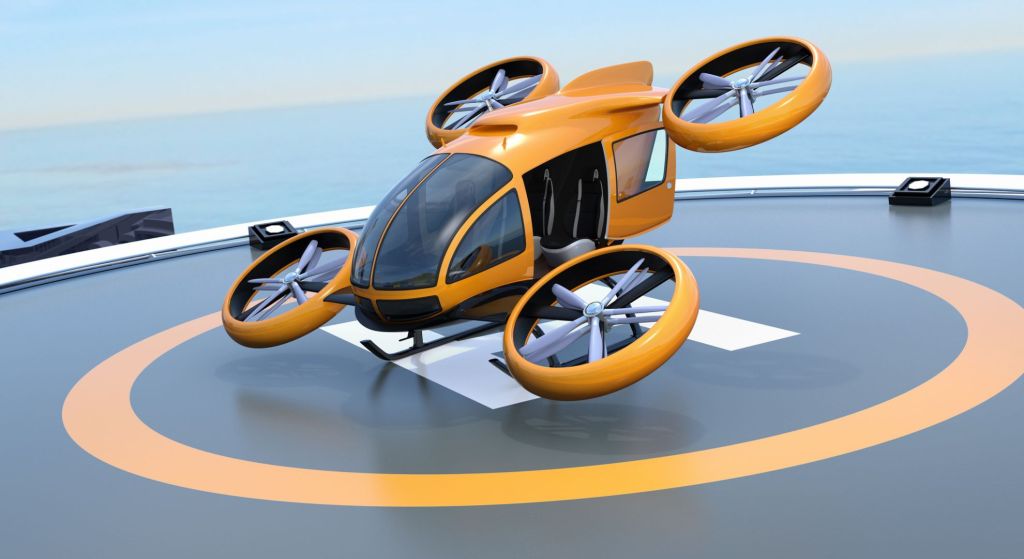
EVTOL aircraft are electrically powered aircraft that take off and land vertically, much like a helicopter. The main distinction is that EVTOLs use batteries. This unique characteristic has earned them nicknames such as ‘air taxis’ or ‘flying taxis.’
“In essence, an EVTOL is a simplified, electric version of a helicopter,” says Rani Plaut, CEO and co-founder of the EVTOL company AIR.
These aircraft are typically designed to carry two to six passengers, including a pilot.
These aircraft, commonly known as light or small private planes, are crafted with a focus on efficiency and versatility. Their compact size and seating capacity make them ideal for short-distance travel, providing a convenient mode of transportation for business trips, leisurely outings, or training purposes.
The Current State of EVTOL Aircraft
EVTOL aircraft are still in their infancy. According to Rensselaer Polytechnic Institute’s Center for Mobility with Vertical Lift (MOVE) and aerospace program leader Farhan Gandhi, they have yet to fly in the US outside of testing.
However, Gandhi believes that EVTOL aircraft will soon be ready for use outside of testing. The primary stumbling block is certification by the Federal Aviation Administration (FAA), a lengthy process. EVTOL companies are currently negotiating with the FAA, but they must prove that these aircraft can operate safely.
EVTOL Aircraft and Urban Air Mobility
The idea behind Urban Air Mobility is to use electric vertical takeoff and landing (EVTTL) planes to transport people and goods across cities in an efficient, dependable, and risk-free manner. UAM aims to alleviate urban traffic congestion, reduce travel times, and provide a new mode of transport within cities. EVTOLs are ideal for UAM due to their ability to take off and land vertically, smaller footprint than traditional aircraft, and reduced noise levels. The integration of EVTOLs into urban transport systems requires the development of vertiports—specialized facilities for takeoff, landing, and charging. Major cities worldwide are already planning and designing these vertiports to facilitate the adoption of UAM.
How EVTOL Integration Relies on Advanced Air Traffic Management
As EVTOL aircraft become more common, managing the airspace to accommodate these new vehicles alongside traditional aircraft becomes crucial. Advanced Air Traffic Management (ATM) systems are being developed to handle the unique requirements of EVTOLs, including their flight patterns, altitudes, and the need for efficient and safe routing. Technologies such as Unmanned Traffic Management (UTM) and automated air traffic control systems are being explored to ensure safe operations. These systems must provide real-time data on weather, obstacles, and other aircraft, ensuring that EVTOLs can navigate urban environments safely and efficiently. The successful integration of EVTOLs will depend heavily on advancing and implementing these sophisticated ATM systems.
Personal vs. Commercial Use of EVTOLs
The certification process for non-commercial EVTOL use is less rigorous, which could expedite their introduction to the market. Companies like AIR are developing EVTOLs for personal use and are already accepting preorders.
“The first step in getting EVTOLs into the sky is to certify them for personal use,” Plaut explains.
On the other hand, commercial use of EVTOLs faces more challenges. Andrew Schmertz, CEO and co-founder of Hopscotch Air, a private commercial aviation company, has expressed doubt about the viability of commercial EVTOLs, citing issues with battery technology and infrastructure.
Capabilities and Limitations of EVTOL Aircraft
Despite the challenges, EVTOL aircraft have several advantages over traditional aircraft. They are quieter, potentially safer, and easier to use. They are also more sustainable, reducing congestion and emissions.
However, EVTOLs also have limitations. Their limited range and reduced carrying capacities make them suitable for long-haul deliveries or search and rescue missions in which helicopters and airplanes excel.
EVTOLs face challenges related to infrastructure and regulatory approval for widespread adoption. The need for specialized landing pads and charging stations and airspace management concerns present logistical hurdles. Moreover, uncertainties regarding safety standards and public acceptance may hinder their integration into existing transportation systems.
Benefits of EVTOL Aircraft
The benefits of EVTOL aircraft lie in their design and power structure.
- Less Noise: EVTOLs are quieter than helicopters due to their use of wing-borne lift for forward flight and lower rotor speed.
- Increased Safety: The multiple rotor design of EVTOLs makes them more robust. If one rotor fails, several others can compensate.
- Ease of Use: EVTOLs operate more like drones, with a computerized flight control system that simplifies operation.

EVTOL Companies to Watch
Several companies are working on making EVTOLs the future of aviation. Some of the most notable ones include:
- Archer: Based in San Jose, California, Archer aims to deploy 6,000 EVTOLs by 2030 and launch an electric aerial ridesharing service.
- Eve: Florida-based Eve is targeting the electric flying taxi sector.
- Joby Aviation: Joby’s EVTOLs can travel 150 miles at speeds of over 200 mph. They are currently participating in a multi-year testing program with the FAA.
- Vertical Aerospace: Their EVTOL, the VX4, can carry five people and has a potential range of uses, from passenger travel to medical evacuation and cargo transport.
- Wisk: Acquired by Boeing, Wisk is developing an autonomous air taxi capable of carrying four passengers.
FAQ’s
1. What is an eVTOL Aircraft?
eVTOL aircraft stands for Electric Vertical Takeoff and Landing aircraft. It is an aircraft that uses electric power to hover, take off, and land vertically.
2. How do eVTOL Aircraft differ from traditional helicopters?
eVTOLs primarily differ in their propulsion system, which is fully electric or hybrid-electric, unlike helicopters, which typically use gas turbines. eVTOLs also often have multiple rotors for redundancy and may have fixed wings for efficient horizontal flight.
3. Are eVTOL Aircraft safe?
While eVTOL technology is relatively new, manufacturers aim for high safety standards. Many designs include multiple motors and propellers to ensure redundancy, and they are being developed to meet stringent aviation safety regulations.
4. How far can eVTOL Aircraft fly?
Model and design affect eVTOL range. On average, modern eVTOL designs aim for 100–200 miles per charge.
5. How fast can eVTOL Aircraft travel?

The speed of aircraft also varies, but many are designed to travel at 150 to 200 miles per hour.
6. Can eVTOL Aircraft operate in bad weather?
eVTOL aircraft are being designed to handle various weather conditions, but extreme weather may have limitations. Operational protocols for bad weather are still under development as the technology matures.
7. What are the potential uses for eVTOL Aircraft?
Potential uses for aircraft include:
Urban air mobility (air taxis)
Emergency medical services (air ambulances)
Personal transportation
Military applications
8. Are there any eVTOL Aircraft in operation today?
As of my last knowledge update in April 2023, several eVTOL prototypes have undergone testing, and some short-distance commercial operations have started. However, widespread commercial use is pending further testing and regulatory approval.
9. What is the environmental impact of eVTOL Aircraft?
eVTOL aircraft are expected to have a lower environmental impact than traditional aircraft due to their electric propulsion systems, which produce no direct emissions. Their influence relies on the electricity required to charge their batteries.
10. How are eVTOL charged?
eVTOL aircraft are assigned using electric power, which can come from various sources, including standard electrical grids, renewable energy stations, or dedicated charging infrastructure designed for rapid charging and high throughput.
The future looks promising for EVTOL aircraft. While challenges remain, the potential benefits of EVTOLs make them a compelling prospect for the future of aviation. As technology advances and the necessary infrastructure is implement, these electric air taxis might soon become common in our skies.