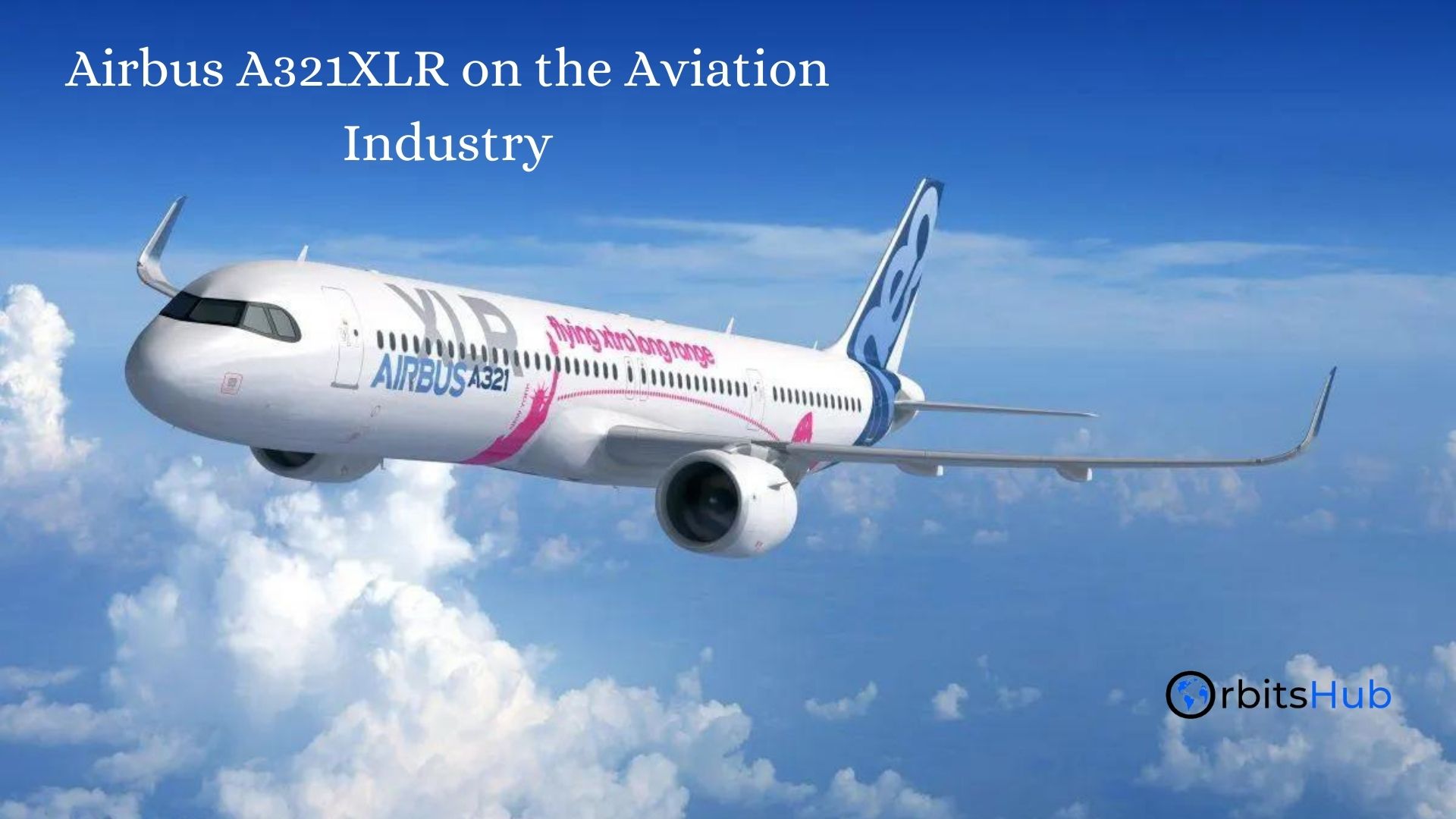
The Airbus A321XLR (Xtra Long Range) is poised to be a game-changer in the aviation industry. This single-aisle aircraft boasts an extended range of up to 4,700 nautical miles (8,700 kilometres), blurring the lines between traditional narrowbody and widebody operations. Let’s delve into the potential impact of the A321XLR on various aspects of the aviation industry.
New Routes and Network Expansion
The A321XLR’s impressive range allows airlines to operate new routes previously considered uneconomical with smaller single-aisle jets. Here’s how this translates into benefits:
- Connecting Secondary Cities: Airlines can now connect secondary cities directly, bypassing significant hubs. This translates to shorter travel times and lower passenger fares on these routes. Imagine flying directly from Jaipur to Dubai instead of through Delhi or Mumbai.
- Point-to-Point Travel: The A321XLR facilitates point-to-point travel models, where airlines can connect smaller cities with higher frequency and potentially lower passenger capacity than widebody aircraft. This caters to the growing demand for leisure travel to niche destinations.
- Network Optimization: Airlines can optimize their networks by deploying the Airbus A321XLR on routes with fluctuating seasonal demand. During peak seasons, they can leverage the higher capacity of widebody aircraft, while the A321XLR can maintain connectivity during off-peak periods with lower operational costs.
Economic Advantages for Airlines
The A321XLR offers significant economic advantages for airlines, making it an attractive addition to their fleet:
- Fuel Efficiency: When compared to older single-aisle planes, the A321XLR has a 30% lower fuel burn per passenger. This results in significant financial benefits for airlines, particularly for flights that travel great distances.
- Operational Flexibility: The A321XLR’s range bridges the gap between narrowbody and widebody operations. Airlines can utilize it on routes that wouldn’t justify a widebody deployment but require more range than a traditional single-aisle aircraft. This flexibility allows for efficient resource allocation.
- Reduced Maintenance Costs: Sharing many features with the existing A320neo family, the A321XLR benefits from economies of scale in maintenance and pilot training. This translates to lower overall operational costs for airlines.
Passenger Experience of Airbus A321XLR
The A321XLR offers the potential for an enhanced passenger experience on long-haul routes, even within a single-aisle configuration:
- Improved Cabin Ambiance: Airbus’ Airspace cabin concept offers wider seats, larger overhead bins, and mood lighting, creating a more comfortable travel experience for passengers on longer flights.
- Direct Connections: The ability to connect secondary cities directly can significantly reduce travel time and eliminate the hassle of layovers for passengers.
However, it’s important to note that the A321XLR’s passenger capacity is lower than that of widebody aircraft. This might translate to slightly less legroom or seat width.
Potential Challenges and Considerations
While the A321XLR presents exciting opportunities, there are also some challenges and considerations for airlines to navigate:
- Airport Infrastructure: Not all airports might be equipped to handle the A321XLR‘s maximum take-off weight (MTOW). Airlines will need to assess the suitability of existing infrastructure before deploying the aircraft on specific routes.
- Cargo Capacity: The A321XLR has a more minor cargo hold than widebody aircraft. Airlines with a significant cargo business need to find alternative solutions for routes with high cargo demand.
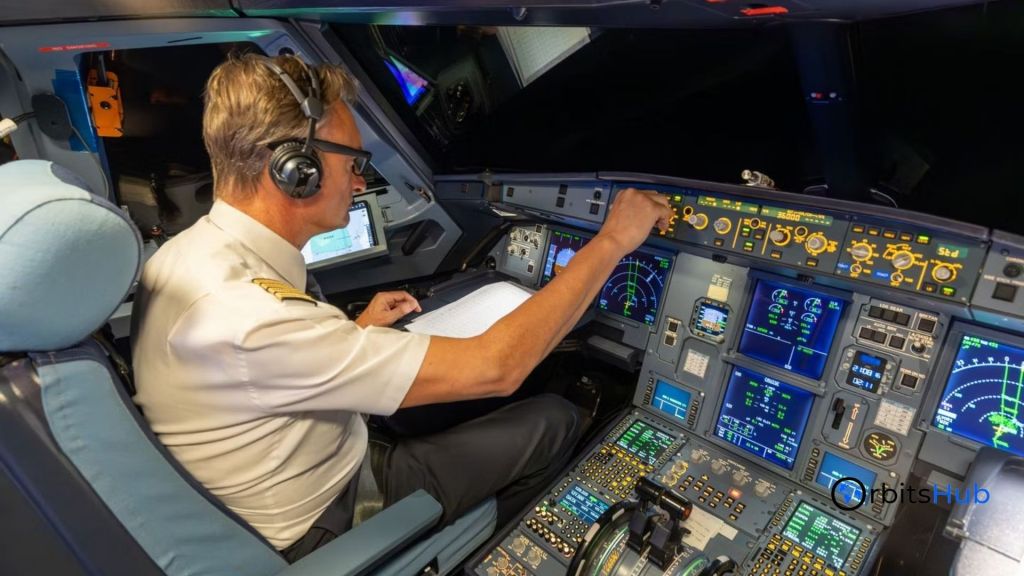
- Pilot Training: While the A320neo family shares a high degree of commonality, pilots might require additional training to operate the A321XLR effectively.
The Competitive Landscape of Airbus A321XLR
The arrival of the A321XLR stirs competition within the aviation industry, impacting both airlines and aircraft manufacturers:
- Narrowbody vs. Widebody Competition: The A321XLR directly challenges the dominance of widebody aircraft on specific routes. Airlines can now consider operating these long-haul routes with a more fuel-efficient and lower-cost option. This might pressure widebody manufacturers to innovate and offer more competitive solutions in the mid-size long-haul segment.
- Airbus vs. Boeing: The A321XLR competes with Boeing’s proposed NMA (New Mid-Market Aircraft), which is still under development. Airlines will evaluate both options closely to determine which best suits their network strategy and operational needs. This competition will drive innovation and potentially lead to more fuel-efficient and passenger-friendly aircraft options.
Environmental Impact : Airbus A321XLR

The A321XLR’s fuel efficiency improvements contribute to a positive environmental impact for the aviation industry:
- Reduced Carbon Emissions: The 30% reduction in fuel burn per seat reduces carbon dioxide emissions per passenger. This aligns with the industry’s ongoing efforts to achieve sustainable growth and reduce its environmental footprint.
- Operational Efficiency: The A321XLR’s ability to replace widebody aircraft on specific routes can improve overall operational efficiency. Airlines can reduce noise pollution and ground emissions at airports by utilising more diminutive and fuel-efficient aircraft.
It’s important to note that the aviation industry still has a long way to go in achieving carbon neutrality. While the A321XLR represents a step in the right direction, further advancements in sustainable aviation fuels and electric or hybrid propulsion technologies are crucial for long-term environmental goals.
The Airbus A321XLR is a revolutionary aircraft with the potential to reshape the aviation industry landscape. Its extended range, fuel efficiency, and operational flexibility offer numerous advantages for airlines, opening doors for new routes, network optimization, and cost savings. While there are some challenges to consider regarding infrastructure, cargo capacity, and pilot training, the overall impact of the A321XLR is expected to be positive for airlines and passengers alike.
Explore how OrbitsHub, a leading maritime and aviation consultancy, can help your business navigate the evolving aviation landscape and capitalize on the opportunities presented by the A321XLR.