A Brief History
Early Beginnings

The Port of Kingston’s history is deeply intertwined with the economic development of Jamaica and the wider Caribbean region. The port has expanded multiple times to meet the growing demands of the shipping sector and meet the ever-shifting standards of port efficiency.
Rise to Prominence
A watershed moment for the port occurred in 2005. It ascended eight spots to secure the 56th position among the World’s Top 100 Container Ports, solidifying its status as a leading transshipment hub in the Latin American and Caribbean region.
Expansion Projects: A Vision of Growth
The Port of Kingston has undergone extensive expansion projects to bolster its capacity and capabilities, positioning it for future growth and global competitiveness.
Phase Four: Boosting Capacity
With an estimated cost of around US$70 million, the fourth stage of the Kingston Container Terminal’s expansion project was finished in 2005. This endeavor increased the terminal’s capacity to 1.5 million Twenty-foot Equivalent Units (TEUs), a standard measure in the shipping industry.
Phase Five: Aiming High
The fifth phase of the terminal expansion program commenced in December 2005, with an ambitious goal to increase the terminal’s capacity to 3.2 million TEUs by 2008. With an estimated cost of US$200 million, this endeavor signaled a major commitment to growth and customer service.
Beyond 2008: The World Mega-Transhipment Hub
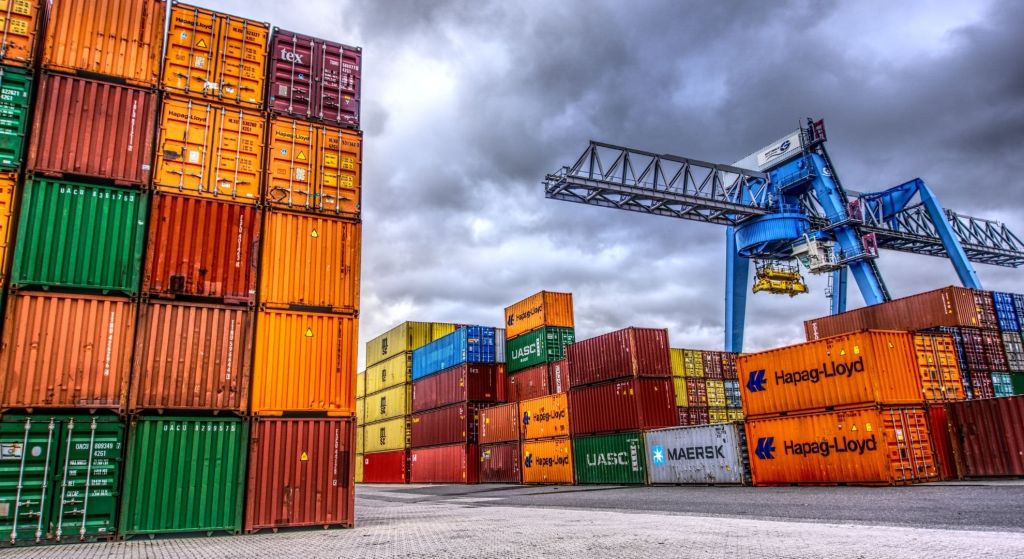
Following the completion of the fifth phase, the subsequent expansion involved the Fort Augusta development and a further increase in capacity to 5 million TEUs. At this juncture, the Port of Kingston achieved the status of a World Mega-Transhipment Hub, ranking among the top 20 Container Ports globally.
Operational Highlights
Port Specifications
The Port of Kingston boasts impressive specifications that enable it to accommodate a variety of vessels.It has a big port for transshipment and containers, some smaller terminals for oil, cement, gypsum, and timber, and some new break bulk and roll-on/roll-off (Ro-Ro) facilities.
Key Statistics
The Port of Kingston handles approximately 2,530 vessels, 16,200,500 tons of cargo, and 1.9 million TEUs annually. The maximum draft is 14.5 meters, and the largest vessel handled to date is the “Tamerlane,” with a gross tonnage of 67,140.
The Port of Kingston Today

Current Developments
The shipping industry around the world relies on the Port of Kingston. Thus, it keeps changing and adapting to suit their needs. Recent developments include the completion of upgrades to accommodate extra-large container ships, thanks to the efforts of Kingston Freeport Terminal Limited.
Looking Ahead
The port operator has plans to complete the upgrade of the south terminal by the end of 2021 at a cost of US$150 million. Jamaica will be well-prepared to take advantage of an uptick in the transshipment business thanks to these renovations and the new gantry cranes and cargo handling equipment that have been acquired.
The Port of Kingston stands as a testament to Jamaica’s commitment to fostering global trade and economic growth. Maintaining its position as an essential cog in the wheel of international trade is its stated goal while it undergoes ongoing development and adaptation. With its strategic location, world-class facilities, and ongoing commitment to growth and development, the Port of Kingston is poised to strengthen its position as a world-class maritime gateway.