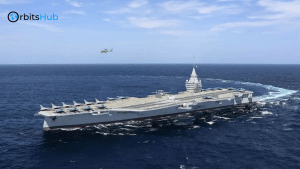

Flat Bow Design
Advantages:
- Increased Deck Space: The flat bow design provides a larger deck area, making it ideal for cargo ships that require extensive storage space.
- Enhanced Stability: This design offers better stability in rough seas, making it a preferred choice for vessels operating in challenging conditions.
- Simplified Construction: The straightforward shape simplifies Construction and maintenance, reducing costs and making repairs more accessible.
Disadvantages:
- Higher Resistance: The flat bow generates higher resistance, resulting in lower speeds than other designs.
- Less Effective in Waves: It could be more efficient in cutting through waves, leading to increased pitching and slamming.
The flat bow design has been a staple in traditional shipbuilding, particularly for vessels prioritizing cargo capacity and stability over speed.
Bulbous Bow Design
Advantages:
- Reduced Wave Resistance: The bulbous bow significantly reduces wave resistance, improving fuel efficiency and lowering operational costs.
- Enhanced Speed and Maneuverability: This design allows for better speed and agility, especially in larger vessels.
- Additional Buoyancy: The bulb’s added buoyancy helps stabilize the ship and reduce pitching motions.
Disadvantages:
- Increased Construction Complexity: The complexity of the bulbous bow design increases construction costs and requires specialized shipyards.
- Potential for Vibration: In certain conditions, the bulbous bow can cause increased vibration and noise, impacting passenger comfort.
The bulbous bow design is widely used in modern shipping, particularly for tankers and cruise ships, where efficiency and passenger comfort are paramount.
Clipper Bow Design

Advantages:
- Hybrid Benefits: The clipper bow combines the benefits of both flat and bulbous bows, offering a balanced approach to speed, efficiency, and stability.
- Improved Fuel Efficiency: It provides better fuel efficiency than a flat bow, making it a cost-effective option for various ship types.
- Versatility: This design enhances stability and maneuverability in diverse sea conditions.
Disadvantages:
- Higher Construction Costs: The complexity of the clipper bow design necessitates more expertise and increased costs compared to a flat bow.
The clipper bow design, reminiscent of historic sailing ships, is often used in modern yachts and luxury vessels, offering a blend of aesthetics and performance.
Inverted Bow Design
Advantages:
- Reduced Resistance: The inverted bow design cuts through the water more efficiently, enhancing speed and fuel efficiency.
- Improved Stability: It offers better stability in rough seas and protects slamming and green water on deck.
- Aesthetic Appeal: The unique design also adds an aesthetic appeal to modern vessels.
Disadvantages:
- Structural Challenges: The unique shape may create structural challenges during Construction, requiring additional Reinforcement.
- Cost Considerations: The need for specialized construction techniques can increase costs.
The inverted bow is often seen in cutting-edge vessels, such as advanced research ships and high-performance yachts, where speed and seaworthiness are critical.
Raked Bow Design
Advantages:
- Enhanced Fuel Efficiency: The raked bow design reduces resistance, improving fuel efficiency and lowering operational costs.
- Stability and Maneuverability: It enhances stability and maneuverability, offering a comfortable onboard experience.
- Minimized Slamming: The angled shape helps minimize slamming, which is particularly beneficial in rough seas.
Disadvantages:
- Construction Complexity: The angled shape can increase construction complexity and cost.
- Docking Challenges: The design may create challenges when docking or maneuvering in tight spaces.
The raked bow design is popular in modern ferries and passenger ships, where passenger comfort and fuel efficiency are key considerations.
Wave-Piercing Bow Design
Advantages:
- Reduced Wave Resistance: The wave-piercing design significantly reduces wave resistance, enhancing speed and fuel efficiency.
- Improved Stability: It provides better stability and maneuverability, particularly in rough seas.
- Minimized Vibration: This design helps reduce slamming and vibration, improving the overall comfort of passengers and crew.
Disadvantages:
- Structural Reinforcement Required: The specialized shape requires additional structural Reinforcement, increasing construction costs.
- Decreased Deck Space: The unique design may result in reduced deck space.
Wave-piercing bows are commonly used in high-speed ferries and military vessels, where speed and stability are crucial.
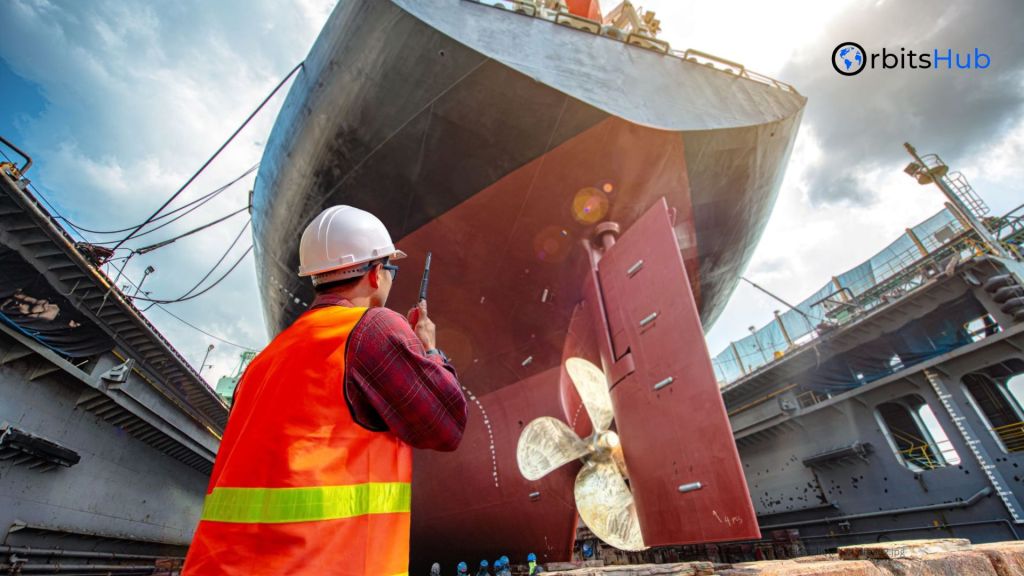
Axe Bow Design
Advantages:
- Enhanced Fuel Efficiency: The axe bow design reduces wave resistance, improving fuel efficiency and operational costs.
- Better Stability and Seaworthiness: This design offers excellent stability and seaworthiness, even in challenging sea conditions.
- Minimized Noise Levels: The design also helps to reduce noise levels, enhancing the onboard experience.
Disadvantages:
- Advanced Engineering Required: The axe bow requires advanced engineering techniques and specialized Construction, leading to higher costs.
- Limited Deck Space: The unique shape can limit deck space, impacting cargo capacity.
The axe bow design is often used in offshore vessels and expedition ships, where efficiency and stability are essential.
X-Bow Design
Advantages:
- Reduced Wave Impact: The X-bow design minimizes wave impact, improving comfort and safety for passengers and crew.
- Improved Stability: It offers enhanced stability and maneuverability in challenging sea conditions.
- Increased Fuel Efficiency: The design contributes to increased fuel efficiency and speed.
Disadvantages:
- Specialized Construction Techniques: The unique design requires specialized construction techniques, increasing costs.
- Limited Shipyard Availability: Few shipyards have the expertise and capability to construct X-bow vessels.
The X-bow is popular in offshore and support vessels, where safety, stability, and efficiency are critical.
Spoon Bow Design
Advantages:
- Reduced Wave Resistance: The spoon bow design reduces wave resistance, enhancing speed and fuel efficiency.
- Better Stability: It provides excellent stability and seaworthiness, making it suitable for various sea conditions.
- Minimized Slamming: The design helps to reduce slamming and noise levels, improving the onboard experience.
Disadvantages:
- Construction Complexity: The spoon bow design can increase construction complexity and costs compared to traditional designs.
- Limited Expertise: Limited shipyards possess the expertise to construct spoon bow vessels.
The spoon bow is often used in research and exploration vessels, where efficiency and stability are paramount.
Inclined Bow Design

Advantages:
- Reduced Wave Resistance: The inclined bow design cuts through waves efficiently, enhancing speed and fuel efficiency.
- Improved Stability: It offers better stability and maneuverability in various sea conditions.
- Protection Against Slamming: The design protects against slamming and green water on the deck.
Disadvantages:
- Specialized Construction Required: The unique design requires specialized construction techniques, increasing costs.
- Limited Shipyard Availability: Few shipyards are capable of constructing inclined bow vessels.
The inclined bow design is increasingly used in modern naval and research vessels, where performance and safety are critical.
In shipbuilding, selecting the most appropriate bow design is crucial to optimize a vessel’s performance, efficiency, and safety. Each bow design has its own set of advantages and disadvantages, catering to different ship types, operational requirements, and sea conditions. As the maritime industry continues to evolve, advancements in bow design are being explored to further enhance the capabilities of modern ships. By understanding these pros and cons, shipbuilders and naval architects can make informed decisions to create vessels that excel in various aspects, ultimately driving progress in the maritime sector.