Imagine a city where you don’t just rely on roads for transport but instead hop into a flying vehicle, zip through the skies, and avoid the traffic that clogs the streets below. This isn’t a scene from a sci-fi movie anymore—it’s the promise of Urban Air Mobility (UAM). It’s a revolutionary concept that could transform how we travel in cities, making commuting faster, more efficient, and environmentally friendly. But what exactly is UAM, and why should we care about it? Let’s dive into the world of UAM and explore how it’s shaping the future of urban mobility.
What is Urban Air Mobility?
Urban Air Mobility, or UAM, refers to the integration of air transportation within urban environments. The key idea is to use small, electric, or hybrid vertical takeoff and landing (VTOL) aircraft, drones, and other aerial vehicles to move people and goods in and around cities. Unlike conventional planes or helicopters, these vehicles are designed to operate at lower altitudes, often flying above the congested roads and traffic of modern cities.
The core idea of UAM is simple: if we could reduce the time spent stuck in traffic and take to the air, urban life would be much faster and more convenient. These vehicles are not meant to replace traditional forms of transportation but to complement them. They’ll be integrated into existing transport systems, providing a much-needed alternative, especially during peak hours when roadways are gridlocked.
How Does UAM Work?
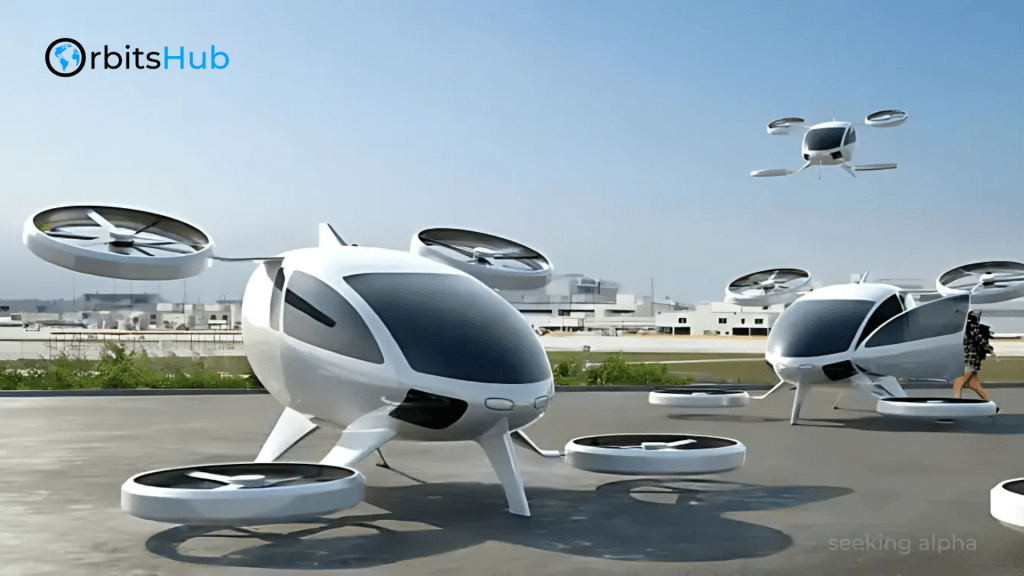
Urban Air Mobility is powered by cutting-edge technology. Most UAM vehicles are based on electric propulsion systems, making them cleaner and more energy-efficient than traditional aircraft. These vehicles are designed to take off and land vertically, meaning they don’t require runways like conventional aeroplanes. Thanks to their small size and quiet operation, they can be used in dense urban areas without creating a disturbance.
These vehicles use the latest in drone technology, enabling autonomous flight or piloted systems, depending on the vehicle type. UAM vehicles are equipped with sophisticated navigation, communication, and safety systems, ensuring that these air taxis, delivery drones, or passenger aircraft can navigate safely and efficiently.
The vehicles are built to serve a range of purposes—from passenger transportation to delivery of goods, emergency medical services, and even services like aerial surveillance. Think of it as an advanced version of drones that don’t just carry small packages but humans too, flying above the city skyline.
Why Does Urban Air Mobility Matter?
1. Solving Traffic Congestion
Traffic jams are one of the biggest problems towns all over the world have to deal with. INRIX did a study in 2021 that said traffic jams in towns cost the world economy more than $1 trillion every year. In India alone, major cities like Delhi and Mumbai experience severe traffic jams, resulting in lost time, increased pollution, and added stress. UAM offers a viable solution, which is to take the pressure off the roads. By adding a layer of air transport above the traffic, UAM can potentially reduce road congestion, leading to smoother commutes and more efficient travel.
2. Environmental Benefits
Another compelling reason for UAM’s potential is its promise to reduce carbon emissions. Traditional road-based transport contributes significantly to air pollution. In urban environments, where cars and trucks emit exhaust fumes continuously, UAM can be a game-changer. Since most UAM vehicles are electric, they produce zero emissions during flight. This makes them an eco-friendly alternative to conventional vehicles, especially in cities struggling with poor air quality. This eco-conscious approach aligns with global efforts to reduce greenhouse gas emissions and make cities greener and cleaner.
3. Improving Efficiency and Accessibility
Urban Air Mobility can help improve the efficiency of existing transportation systems. Think of it as a way to augment your current commute options. If you can’t get a taxi because of traffic, you could book a UAM vehicle that takes you straight to your destination in the sky. This offers a whole new level of flexibility and access to transportation.
Moreover, UAM can bridge the gap in transportation for underserved areas, providing faster access to remote or hard-to-reach locations. Whether it’s medical deliveries to remote regions or connecting isolated towns to major cities, UAM can offer essential services where traditional infrastructure falls short.
The Challenges of Urban Air Mobility
While the potential of UAM is exciting, there are several hurdles that need to be overcome before it becomes a mainstream reality.
1. Regulatory and Air Traffic Control
For UAM to operate in urban areas, it needs clear regulations and air traffic management. Cities are already congested, and adding flying vehicles to the mix requires comprehensive planning to avoid accidents. The airspace will need to be divided in such a way that these vehicles can navigate safely without interfering with other aircraft. There should be clear rules for airspace, licensing, safety standards, and car certification. In the U.S., this is done by the Federal Aviation Administration (FAA), and in India, it’s done by the Directorate General of Civil Aviation (DGCA).
2. Public Perception and Acceptance
Despite the excitement surrounding UAM, public perception remains a key challenge. Flying cars and drones are still new concepts for most people, and there might be resistance from individuals who are uneasy about flying in small, autonomous vehicles. Ensuring the safety, comfort, and reliability of UAM vehicles will be essential in gaining public trust. This includes addressing concerns about accidents, noise, and the overall environmental impact.
3. Infrastructure Development
UAM needs dedicated infrastructure like landing pads, charging stations, and maintenance hubs. Creating this infrastructure in existing cities will require significant investment, both from private and public sectors. Ensuring these hubs are placed in strategic locations and are easily accessible will be key to the success of UAM.
What’s the Future of Urban Air Mobility?
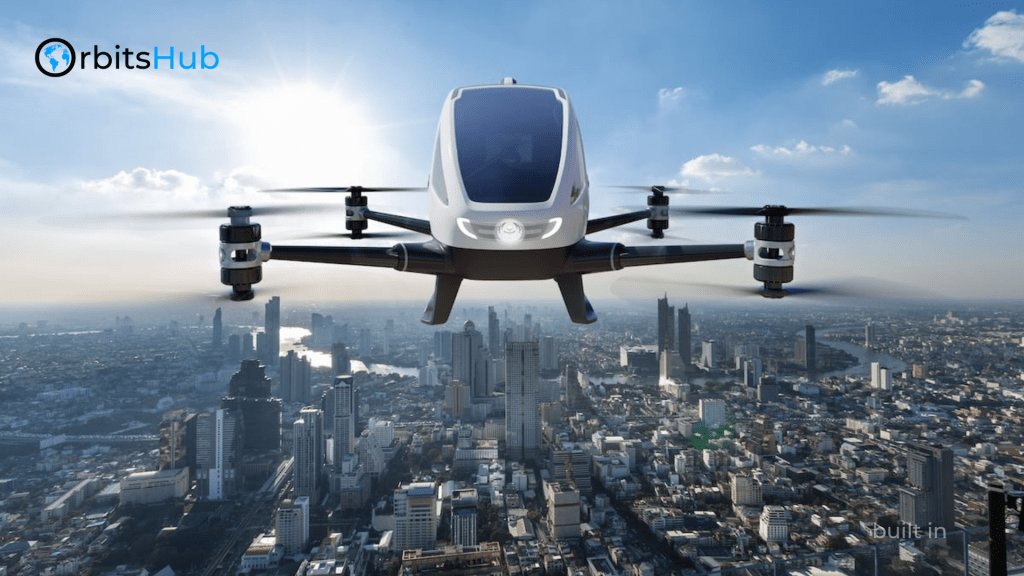
Several companies around the world are already working on making flying cars, drones, and other air vehicles. This bodes well for the future of urban air mobility. Cities like Dubai and Singapore are already experimenting with UAM technologies and have announced plans to roll out air taxis in the coming years.
In the coming decade, UAM could become a critical part of our daily lives. With the rapid advancement of electric aircraft technology and the growing need for sustainable solutions, UAM will soon be integrated into urban planning across the world. As technology gets better and rules are put in place, we might be seeing the start of a new era in city transportation.
Frequently Asked Questions
1. How safe is Urban Air Mobility?
Urban Air Mobility technology is still in its early stages, but safety is a top priority. These cars have high-tech safety features, such as redundant systems and automatic flight control. UAM will become safer as rules and technology get better, and strict rules will be put in place.
2. Will UAM vehicles be affordable for the average person?
Initially, UAM vehicles may be expensive and cater more to premium customers, like those using air taxis. However, as the technology matures, costs will likely come down, making them more accessible to the general public. We expect to see lower-cost options emerge in the future as the infrastructure and demand grow.