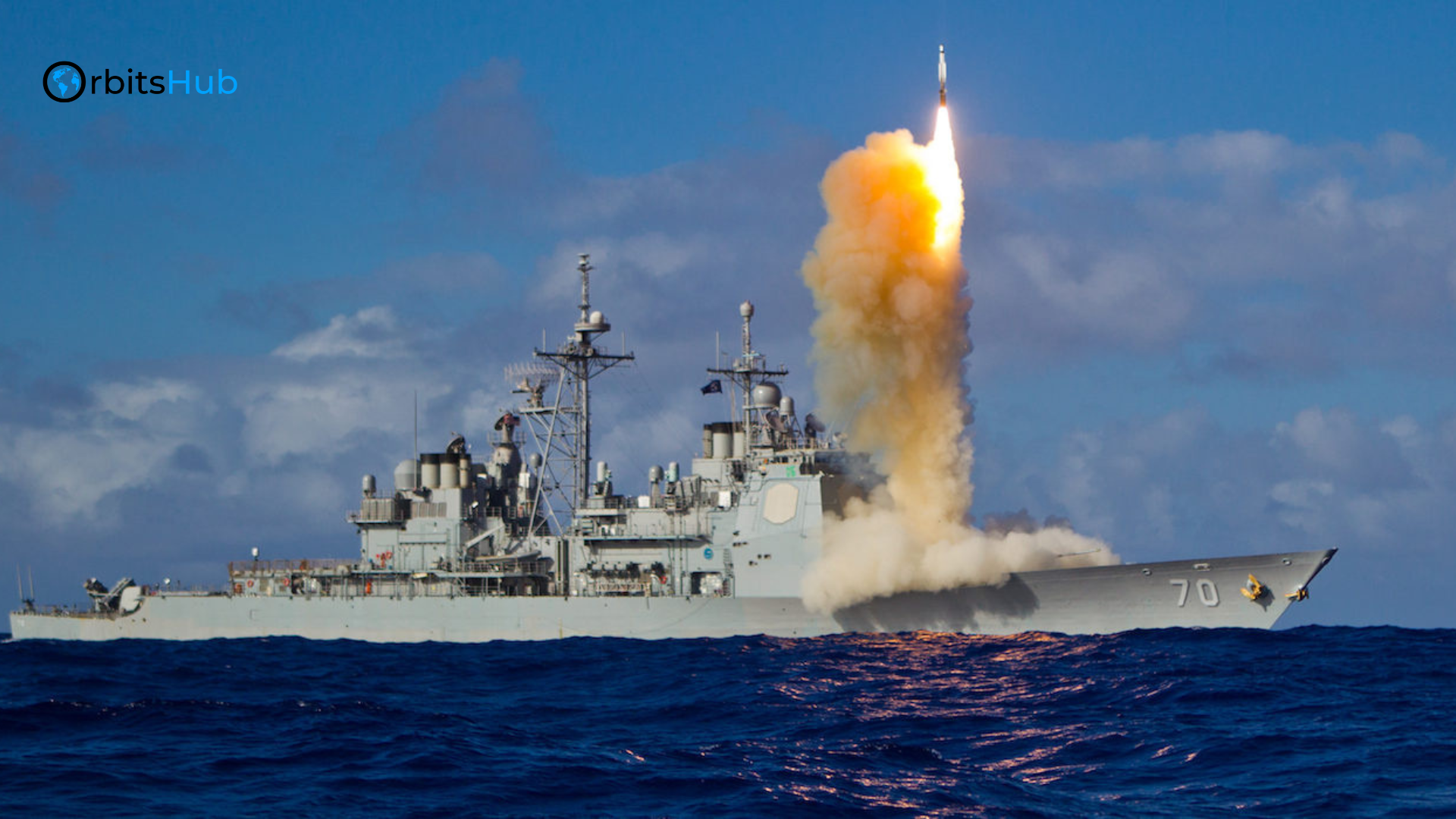
In recent years, the topic of ballistic missile defence (BMD) has gained significant attention from governments across the globe. As countries continue to navigate the complexities of modern warfare, the need to protect citizens and national security has never been more critical. Ballistic missile defence systems are designed to detect, intercept, and destroy incoming ballistic missiles before reaching their targets. These systems have become a vital part of defence strategies, especially for countries that face the threat of missile attacks from rogue states or hostile neighbours.
The escalating threat of missile attacks, along with the growing capabilities of enemy nations, has led many countries to invest heavily in advanced BMD technologies. This article explores why countries prioritize developing and deploying ballistic missile defence systems and the driving forces behind these decisions.
Understanding Ballistic Missile Defense
Before delving into the reasons behind the growing interest in BMD, it is essential to understand what ballistic missile defence is and how it works. BMD refers to a set of technologies and strategies designed to counter ballistic missiles, which are capable of carrying nuclear, chemical, biological, or conventional warheads over long distances. These missiles travel through different phases: the boost phase, midcourse phase, and terminal phase.
During the boost phase, the missile is launched, and its engine produces a heat signature that can be detected by satellites. In the mid-course phase, the missile travels in space, and the defence system must track and intercept it in orbit. Finally, in the terminal phase, the missile re-enters the Earth’s atmosphere, and interceptors are deployed to destroy it before it reaches its target.
Countries invest in ballistic missile defence systems to protect their populations and critical infrastructure from potential attacks, including those from weapons of mass destruction. BMD technologies rely on a combination of early-warning systems, radar tracking, and interceptor missiles to neutralize incoming threats.
The Growing Threat of Ballistic Missiles
One of the key reasons why countries are investing heavily in ballistic missile defence is the increasing threat posed by the proliferation of missile technology. Over the past few decades, several nations, particularly rogue states, have made significant advancements in their missile programs. Countries like North Korea and Iran have developed long-range ballistic missiles capable of reaching distant targets, including major global powers.
For example, North Korea’s missile tests have raised concerns among its neighbours, as well as the United States. The regime has demonstrated its ability to launch missiles capable of reaching the U.S. mainland. Similarly, Iran has invested in missile development to assert its power in the Middle East, which has further heightened tensions in the region.
The expansion of missile capabilities by adversarial nations has increased the vulnerability of countries that rely on traditional defence systems. Missile attacks have the potential to cause significant destruction, both in terms of lives lost and economic damage. As such, nations are turning to ballistic missile defence to bolster their security and prevent potential disasters.
Protecting Critical Infrastructure

Another important reason why countries are investing in ballistic missile defence is to safeguard critical infrastructure. In the modern world, nations rely heavily on advanced technologies and infrastructure to support their economies and maintain national security. From communication systems and power grids to transportation networks and military bases, these vital assets are susceptible to missile attacks.
A successful missile strike on a country’s infrastructure can cripple its ability to function effectively, disrupt essential services, and leave its citizens vulnerable. For instance, a missile hitting a power plant or a military command centre can disable critical defence systems and communication channels, leaving the country exposed to further attacks.
By investing in BMD systems, countries are taking proactive steps to protect their infrastructure from missile threats. These systems offer the ability to intercept and destroy incoming missiles before they can cause damage, thus ensuring the continuity of essential services and maintaining national security.
Enhancing National Security
National security is at the heart of any nation’s defence strategy. In an increasingly complex and unpredictable world, countries must adapt to new threats and technologies. Ballistic missile defence provides a means of deterring potential adversaries from launching missile attacks, as the risk of interception makes it more difficult for enemies to achieve their objectives.
By deploying BMD systems, countries demonstrate their commitment to protecting their citizens and maintaining a strong defence posture. This helps to deter not only missile attacks but also other forms of aggression that may arise due to geopolitical tensions.
For example, countries like Israel have long relied on missile defence systems, such as the Iron Dome, to protect against rocket attacks from hostile neighbours. Similarly, the United States has developed a Ground-based Midcourse Defense system to protect its territory from long-range missile threats.
Investment in BMD systems is not just about responding to immediate threats; it is also about maintaining long-term security and preventing escalation. These systems act as a deterrent, making it more difficult for adversaries to gain an advantage through missile attacks.
Political and Strategic Considerations
Beyond the technological and security aspects, there are also political and strategic considerations driving the investment in ballistic missile defence systems. In regions where military tensions are high, countries are often engaged in an arms race to develop advanced defence technologies that can give them a strategic edge.
For example, the U.S. has invested heavily in missile defence systems as part of its broader strategy to maintain its global military dominance. Similarly, Russia and China have developed their own missile defence systems in response to perceived threats from the West.
In some cases, countries enter into alliances with other nations to share resources and expertise in missile defence technologies. This collaboration can strengthen bilateral ties and enhance collective security arrangements. For example, NATO countries have worked together to deploy missile defence systems in Eastern Europe to protect against potential Russian missile threats.
The Role of Advanced Technologies
Radar Innovations: Tracking with Precision
Space-Based Systems: Real-Time Detection
AI & Machine Learning: Automation for Speed
Cost-Effective Defense Systems
The development of advanced technologies has played a crucial role in the growth of ballistic missile defence systems. Innovations in radar, sensor technology, and missile interceptors have made it possible to track and destroy missiles with greater precision and efficiency.
In particular, the use of space-based systems for missile detection and tracking has significantly improved the effectiveness of BMD systems. These systems can detect missile launches in real time, providing early warnings and allowing for faster responses.
Additionally, advancements in artificial intelligence and machine learning have enabled the automation of certain BMD processes, making it easier to identify threats and initiate countermeasures. These technologies ensure that missile defence systems can respond quickly to emerging threats, even in complex and high-stress environments.
The integration of these advanced technologies has made ballistic missile defence more reliable, efficient, and cost-effective, further encouraging countries to invest in these systems.
Global Collaboration and Missile Defense Agreements
As the threat of missile attacks grows, countries are increasingly collaborating to develop and deploy ballistic missile defence systems. In some regions, nations are entering into multilateral agreements to share resources and intelligence to strengthen their collective defence capabilities.
For example, the United States, Japan, and South Korea have partnered to enhance missile defence capabilities in the Asia-Pacific region. This collaboration involves the sharing of missile defence technologies, early warning systems, and radar networks to protect against North Korean missile threats.
Similarly, NATO has developed a missile defence shield to protect member states from potential missile attacks. This collaboration highlights the importance of global cooperation in addressing the growing threat of ballistic missiles. The investment in ballistic missile defence systems reflects the evolving security concerns faced by countries worldwide. As missile threats continue to rise, governments are prioritizing the development of technologies that can protect their populations, safeguard critical infrastructure, and enhance national security. Whether in response to geopolitical tensions or the growing capabilities of adversaries, BMD systems are becoming an essential component of defence strategies in the modern world.
With advancements in technology and increased collaboration between nations, the future of ballistic missile defence looks promising. As countries continue to adapt to new threats and challenges, BMD systems will play a crucial role in maintaining global security and stability.
Frequently Asked Questions
1. How effective are ballistic missile defence systems in intercepting missiles?
Ballistic missile defence systems have shown high levels of effectiveness in intercepting missiles, particularly in their terminal phase, with interception rates improving as technology advances.
2. Why is global collaboration important for missile defence?
Global collaboration enables countries to share resources, intelligence, and technologies, making it easier to defend against missile threats and ensure collective security.