India’s domestic aviation sector has witnessed remarkable growth, with an ever-increasing number of flights taking to the skies daily. However, amidst this burgeoning demand, a striking reality emerges—Indian domestic fares remain among the most affordable globally. This paradoxical scenario begs the question: How does a rapidly expanding industry keep ticket prices remarkably low? A delicate interaction of forces has shaped India’s aviation scene, making it unique and cost-effective for travellers.
Capacity Constraints Fuel Price Hikes: India’s Domestic Aviation
India’s domestic aviation business has recently struggled with capacity restrictions and rising airfares despite rising air travel. In the last six quarters, industry experts say the average fare on the top 20 domestic routes has increased by 40%. This tendency is due to supply chain issues that grounded many planes and escalating demand that surpasses capacity.
Aircraft Groundings: A Bottleneck for Supply
The aviation industry’s supply chain woes have contributed to the capacity crunch. Approximately 150 aircraft have been grounded due to disruptions in the supply of critical components, hampering airlines’ ability to meet the soaring demand. This shortage has forced carriers to operate with reduced fleets, resulting in fewer available seats and higher fares on popular routes.
Demand Outstrips Supply: A Tug-of-War
India’s burgeoning middle class and the allure of air travel have fueled an unprecedented surge in demand for domestic flights. However, the supply of seats has struggled to keep pace, creating an imbalance that has driven up prices. Aviation consultancy CAPA India predicts high fares will persist until at least FY2026 as the industry grapples with bridging the demand-supply gap.
Affordability Amidst Inflation: Indian Domestic Flights
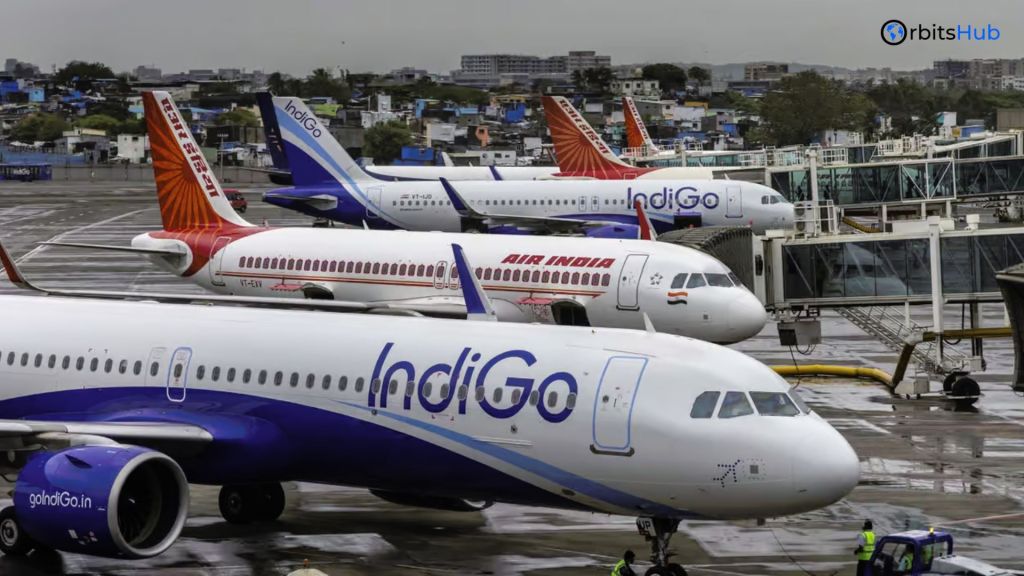
Despite recent rate hikes, industry experts say Indian domestic flights are still inexpensive, even with inflation. Sanjay Kumar, president and CEO of InterGlobe Technology Quotient Ltd., noted that fares have increased but remain among the lowest globally. A flight from Delhi to Mumbai costs between Rs 5,000 and Rs 6,000, which is cheap given inflation.
A Historical Perspective on Fare Trends
According to CAPA India’s analysis, the average domestic fare in India has risen from Rs 4,989 in FY2004 to approximately Rs 11,000 in FY2020 after adjusting for inflation. This gradual increase has allowed airlines to break even with less efficient operations, reflecting the industry’s efforts to balance profitability and affordability.
Competitive Intensity Keeps Fares in Check
Carriers compete in India’s domestic aviation industry despite recent pricing hikes. Competitive intensity has generally kept airfares affordable for the average consumer by limiting rate escalation. Industry experts expect good rivalry between carriers like IndiGo and the Tata Group’s airlines to keep rates low.
Strategic Pricing Techniques Optimize Revenues
As the market changes, airlines have used strategic pricing to maximize income. Fares grow steadily in the month before departure, with a sharp surge in the final three days, according to CAPA India. This strategy lets carriers charge last-minute travellers more while delivering attractive rates to early bookers.
Balancing Fares and Operational Costs
Fare income and operational costs must be balanced for efficient airlines. Sanjay Kumar, CEO of InterGlobe Technology Quotient Ltd., stressed that some airlines suffer financially despite high and low tickets, but others can earn with lower load factors and fair fares. Effective cost management and innovative pricing strategies are crucial to profitability and cheap fares.
Global Comparisons: India’s Competitive Edge
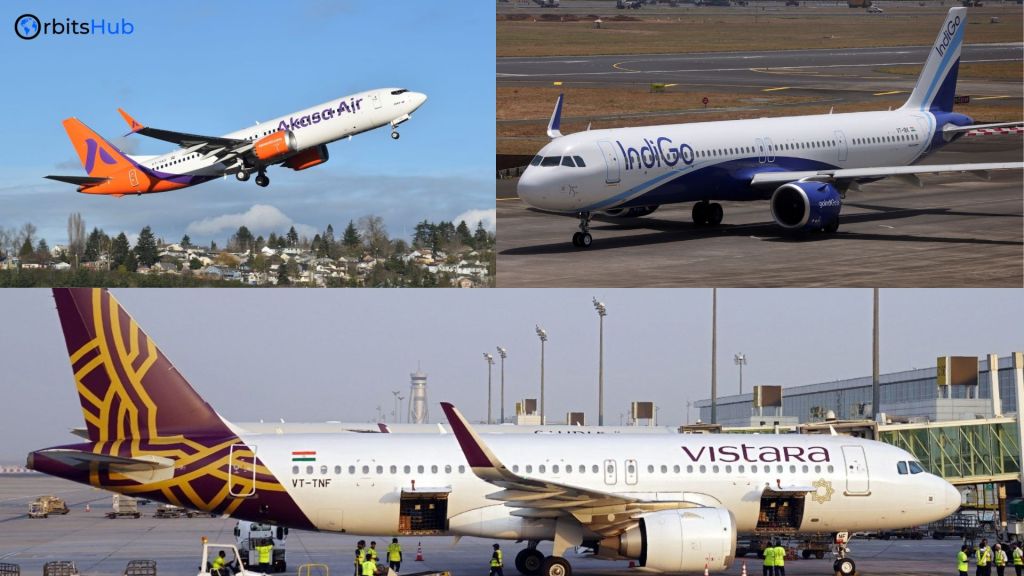
India’s domestic airfares are remarkably competitive compared to other major aviation markets worldwide. Industry leaders, including Pieter Elbers, CEO of IndiGo, Vinay Dube, founder and CEO of Akasa Air, and Vinod Kannan, CEO of Vistara, have consistently highlighted that flights within India are among the most affordable globally.
Ranking Ahead of Developed Markets
According to the aviation analytics firm Cirium data, India ranked first among major markets in 2023 regarding average domestic airfare. This ranking underscores the country’s competitive edge, with airfares remaining relatively low compared to developed markets such as Europe, East Asia, and North America.
Affordability and Paying Capacity
Industry experts attribute India’s affordability advantage to the higher paying capacity of its domestic market compared to developed nations. While airfares in India have risen, they remain within reach for the growing middle class, contributing to the sustained demand for air travel.
Government Intervention: Monitoring and Regulation
Recognizing the importance of maintaining affordable airfares for consumers, the Indian government has taken proactive measures to monitor and regulate the domestic aviation market. Establishing the Tariff Monitoring Unit under the Directorate General of Civil Aviation (DGCA) is a significant step in this direction.
Tariff Monitoring Unit: Keeping a Watchful Eye
The Tariff Monitoring Unit has been tasked with regularly monitoring airfares on selected routes to keep prices in check and protect consumer interests. While previous government efforts to regulate fares have failed, creating this dedicated unit signals a renewed commitment to ensuring fair pricing practices.
Encouraging Self-Regulation and Reasonable Pricing
In addition to regulatory oversight, the government has urged airlines to implement self-monitoring mechanisms for airfares and maintain reasonable prices on specific routes. Civil Aviation Minister Jyotiraditya Scindia has called upon carriers to exercise responsible pricing strategies, recognizing the importance of balancing profitability with consumer affordability.
Capacity Expansion: Indian Domestic Airfares
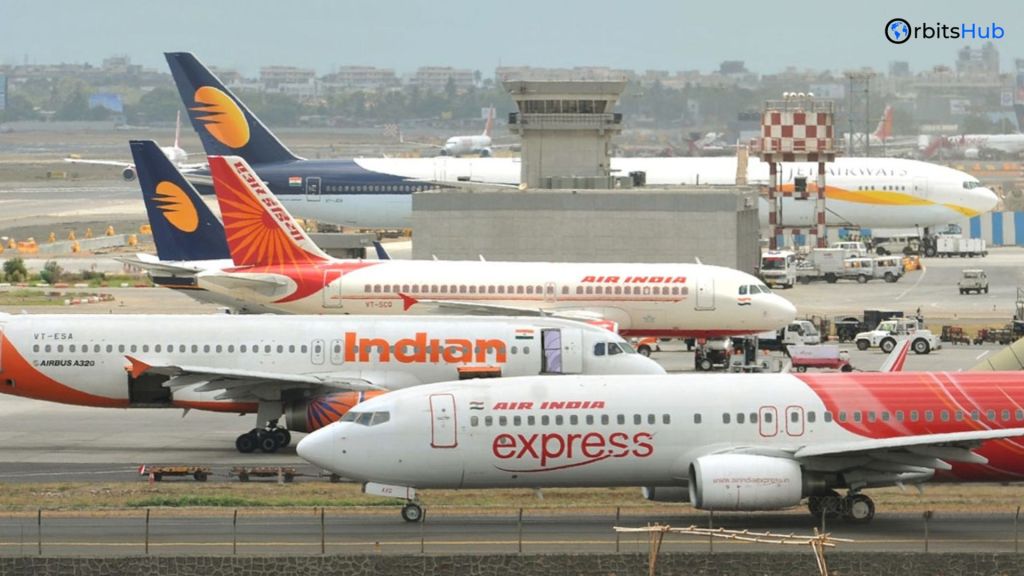
Major airlines have placed substantial orders for new aircraft to address the persistent demand-supply imbalance and alleviate capacity constraints. The Tata Group and IndiGo have ordered around 1,000 aircraft, with deliveries expected over the next decade. This strategic move aims to increase capacity and bridge the gap between demand and available seats, potentially easing upward pressure on airfares.
Fleet Modernization and Efficiency Gains
In addition to expanding capacity, fleet modernization is expected to increase airlines’ operational efficiency and cost savings. Newer aircraft models boast improved fuel efficiency and reduced maintenance requirements, enabling carriers to optimize their cost structures and pass these savings to consumers through lower fares.
Tapping Into Untapped Markets
As India’s aviation sector grows, airlines explore untapped markets and routes, particularly in smaller cities and towns. This development meets rising air travel demand and increases competition, which may lower national fares.
The Indian aviation sector balances rapid expansion, capacity limits, and affordability. Despite recent cost hikes, economists say strategic pricing, competitive intensity, and government regulation make Indian airfares the most competitive globally. Profitability and affordability remain goals as demand and capacity rise. Due to government oversight of reasonable pricing and major airlines’ fleet growth and modernization, India’s domestic aviation sector will maintain its global low airfare leadership. Airline, regulator, and customer partnership can grow India’s domestic aviation sector while keeping it grounded, ensuring everyone can travel.
Do you want to learn more about cutting-edge aviation and maritime technology advancements? OrbitsHub, a leading consultancy service company specializing in these domains, can be your one-stop shop. Explore OrbitsHub to discover how their expertise can empower your organization.