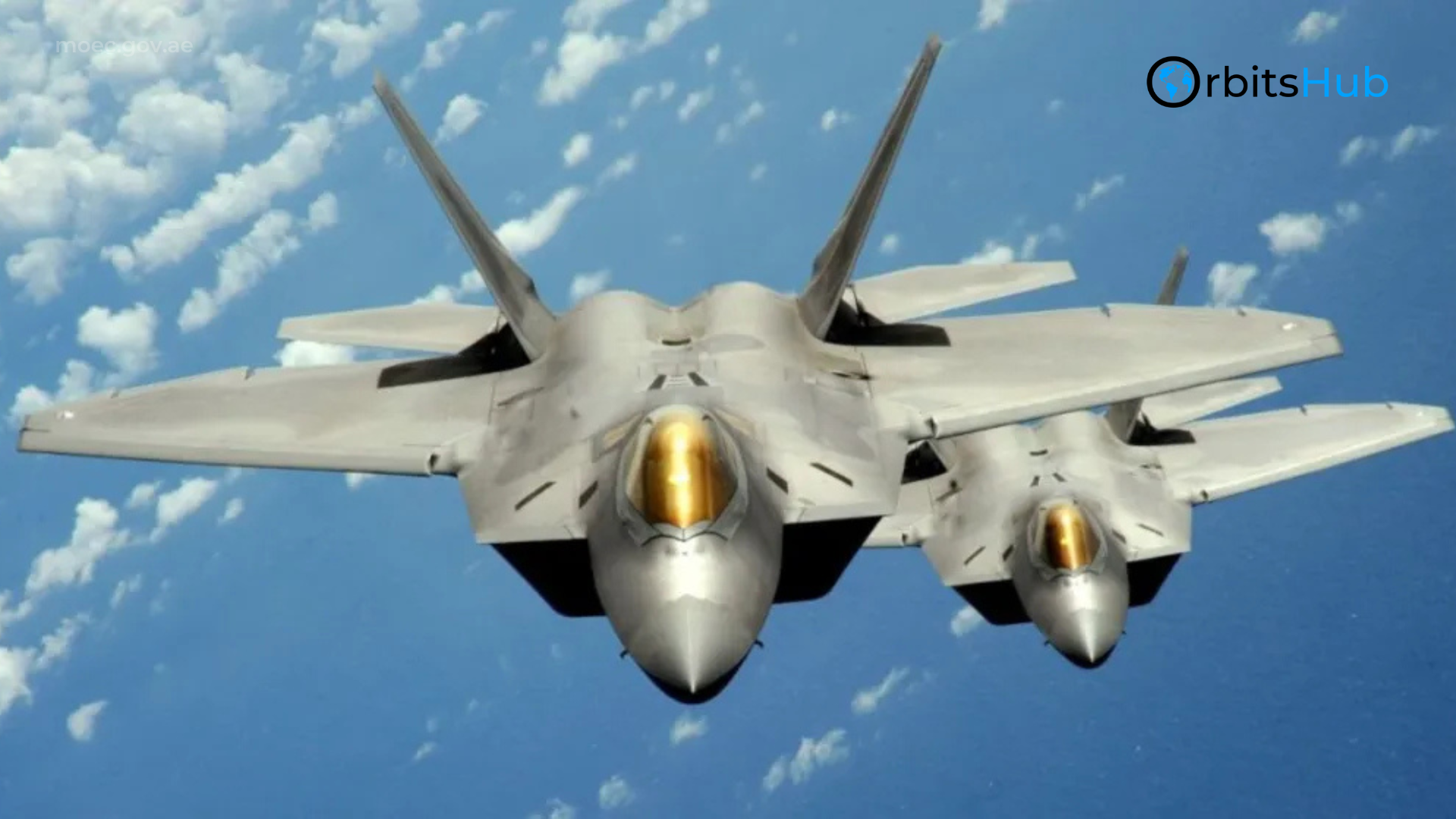
When it comes to current warfare, air power is very important for deciding who wins. A lot of attention has been paid to advanced fighter jets and big bombers, but medium combat aircraft are quietly showing that they are just as important. These versatile machines strike a balance between agility, firepower, and endurance, making them a must-have for any modern military force. As global threats continue to evolve, medium-combat aircraft have become essential tools for safeguarding national security and achieving battlefield superiority.
The Versatility of Medium Combat Aircraft
Medium combat aircraft, often referred to as multirole fighters offer a broad range of capabilities that make them crucial in various combat scenarios. It is possible for these planes to do many things, such as air control, ground attack, reconnaissance, and close air support. Unlike specialized fighters that excel in a single role, medium combat aircraft are versatile and adaptable, allowing them to be deployed for multiple purposes in a single mission.
The flexibility of these aircraft allows military forces to respond quickly and effectively to ever-changing battlefield dynamics. Whether it’s engaging enemy aircraft, attacking ground targets, or providing close air support to ground troops, medium combat aircraft can seamlessly switch roles, ensuring operational efficiency. This flexibility is especially important in modern warfare, where threats are often unpredictable and multifaceted.
Cost-Effectiveness Without Compromising Power

One of the standout features of medium combat aircraft is their cost-effectiveness. When compared to heavy bombers or cutting-edge stealth fighters, medium combat aircraft are relatively affordable, both in terms of procurement and maintenance. This makes them an attractive option for countries with limited defence budgets, as they offer a significant return on investment.
For example, the cost of maintaining a medium fighter jet like the Sukhoi Su-30MKI or the Boeing F/A-18 Super Hornet is considerably lower than that of a fourth-generation stealth fighter, such as the F-35. Despite the lower cost, these medium aircraft are still equipped with cutting-edge technology, advanced avionics, and powerful weapons systems, ensuring they can hold their ground in modern combat.
This balance of affordability and effectiveness allows countries to build a larger fleet of medium combat aircraft, giving them greater flexibility in responding to various threats. Additionally, the lower operating costs make it possible to deploy these aircraft in a sustained manner, providing the military with continuous air superiority in combat situations.
Operational Range and Endurance
Another significant advantage of medium combat aircraft is their impressive operational range and endurance. While stealth fighters and bombers may have superior capabilities in certain areas, they often require specialized airfields or tankers for extended operations. On the other hand, medium combat aircraft are designed for long-range missions, making them capable of operating in various theatres without the need for frequent refuelling.
For instance, the Mirage 2000, a popular medium combat aircraft, has an operational range of over 3,000 kilometres. This allows it to conduct deep strike missions or provide air cover to troops on the ground, all while remaining a formidable presence in the skies. The ability to stay in the air for long periods ensures that these aircraft can remain operating even in the most demanding combat environments.
Moreover, the endurance of medium combat aircraft allows them to provide consistent support to ground forces, especially in situations where air superiority needs to be maintained over a prolonged period. Whether it’s ensuring air dominance during a ground offensive or providing close air support during counterinsurgency operations, these aircraft can stay in the air long enough to get the job done.
Multirole Capabilities in Modern Warfare
Modern warfare is no longer confined to traditional combat scenarios. The rise of hybrid warfare, involving both conventional and asymmetric tactics, has created a need for aircraft that can seamlessly transition between different roles. Medium combat aircraft fit this need perfectly with their multirole capabilities.
As an example, the Dassault Rafale is known for being able to do many different tasks, such as air-to-air battle, precision strikes, and reconnaissance. These capabilities allow the aircraft to support not only traditional combat operations but also counterinsurgency, anti-piracy, and humanitarian relief missions. Their versatility enables them to meet the demands of modern military campaigns, where the lines between conventional and irregular warfare are increasingly blurred.
Moreover, medium combat aircraft are well-suited to operate in environments where stealth and heavy bombers may not be practical. In conflict zones where air superiority must be asserted in urban or mountainous terrain, these aircraft offer the perfect mix of firepower and mobility. Their ability to carry a diverse range of weapons, including guided missiles, bombs, and air-to-air weapons, ensures they remain effective in any situation.
Technological Advancements Driving Performance
Technological advancements in avionics, weapons systems, and aircraft design have significantly improved the performance of medium-combat aircraft in recent years. These improvements ensure that medium combat aircraft remain competitive in the face of evolving threats. For example, modern radar systems, electronic warfare capabilities, and advanced missile technologies have dramatically increased the effectiveness of these aircraft.
Additionally, advancements in artificial intelligence (AI) and data fusion have enhanced the situational awareness of pilots, allowing them to make quicker decisions in combat. Systems with AI can look at huge amounts of data in real-time, which tells pilots important things like where the enemy is, the weather, and their chances of winning a battle. This heightened level of awareness enables medium combat aircraft to operate more effectively, even in complex and contested airspace.
The integration of these technologies into medium combat aircraft ensures that they remain a formidable force, capable of outmatching threats even from advanced enemy systems. As defence technology continues to evolve, the capabilities of medium combat aircraft are likely to improve further, making them even more essential for modern warfare.
Global Defense Strategies and Medium Combat Aircraft
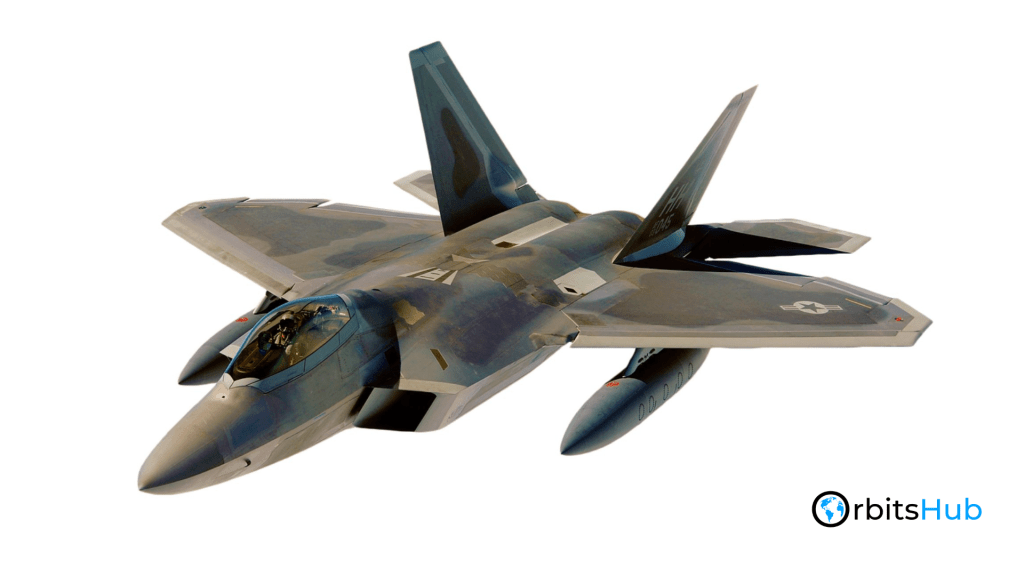
As tensions rise across the globe, countries are increasingly focusing on strengthening their defence capabilities. In this context, medium combat aircraft have become a key element in national defence strategies. Their cost-effectiveness, operational flexibility, and ability to do a wide range of tasks make them essential for protecting a country’s security.
For instance, countries like India, Brazil, and South Korea have heavily invested in MCA as part of their military modernization programs. The Indian Air Force, for example, relies on a mix of Su-30MKI, Mirage 2000, and MiG-29 aircraft to maintain air superiority in the region. Similarly, Brazil’s Embraer KC-390 and South Korea’s KF-21 Boramae are examples of homegrown medium combat aircraft that are bolstering the defence capabilities of these nations.
The strategic importance of medium combat aircraft is evident from their widespread use in military alliances and peacekeeping missions. NATO forces, for instance, rely on aircraft like the Eurofighter Typhoon and the F/A-18 Hornet to maintain control over contested regions.
The Future of Medium Combat Aircraft
Looking ahead, the future of MCA is bright. As technology continues to advance, these aircraft are expected to become even more capable and versatile. Future medium combat aircraft may incorporate cutting-edge technologies such as hypersonic missiles, autonomous flight systems, and improved stealth features, further enhancing their effectiveness on the battlefield.
Additionally, the growing trend of unmanned aerial vehicles (UAVs) and drone warfare will likely influence the design and use of MCA. While UAVs can carry out surveillance and precision strikes, medium combat aircraft will remain essential for missions requiring human judgment, advanced manoeuvrability, and the ability to operate in complex environments.
The integration of medium combat aircraft into the broader network of defence assets, including UAVs, satellites, and ground-based systems, will create a more connected and efficient fighting force. As part of a multi-domain approach to warfare, MCA will continue to play a critical role in achieving air superiority, protecting national interests, and maintaining global peace.
Frequently Asked Questions
1. What makes MCA essential for modern warfare?
MCA are very important because they can do many things, including air control, ground attack, and reconnaissance, and they are flexible, cost-effective, and have a long operational range.
2. How do medium combat aircraft compare to other fighter jets?
Medium combat aircraft offer a balance of affordability, firepower, and flexibility, making them a more cost-effective option compared to specialized fighter jets or heavy bombers. They are equipped with advanced technology while being versatile enough for various combat scenarios.